
Comprehensive Guide to Water Damage Categories and Home Restoration Strategies
Learn about water damage classifications, from minor leaks to severe flooding, and how professional restoration services efficiently address each category. Recognizing damage types ensures quick response, minimizes costs, and prevents health risks. This comprehensive guide offers insights into categories, damage levels, remediation techniques, and trusted restoration providers, helping homeowners protect and restore their properties effectively after water-related emergencies.
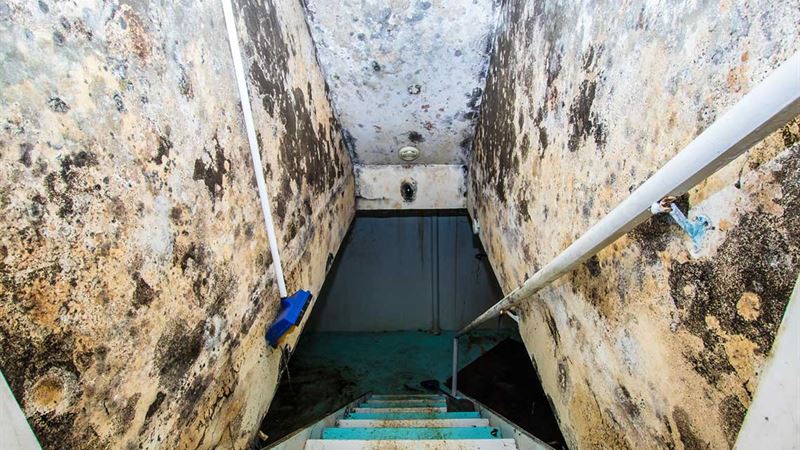
Water damage poses a significant threat to homes worldwide, impacting millions annually. It can arise from various sources, including plumbing failures, natural disasters, HVAC system malfunctions, or sewage backups. When water infiltrates building materials and furnishings, it can cause irreversible harm if not addressed swiftly. The key to effective remediation lies in understanding the classification system used by professionals to categorize the severity and type of damage. This knowledge not only facilitates timely intervention but also aids in selecting the right restoration approach and equipment.
The Importance of Quick Response and Proper Assessment
Immediate action when water damage occurs is critical. The first step is a thorough inspection by certified water damage specialists who can assess the extent and nature of the intrusion. The initial evaluation aims to determine the source, detect hidden issues, and provide an accurate estimate of repair and restoration costs. An expert professional will analyze water intrusion levels, identify affected materials, and classify water damage into specific categories. This process helps prioritize repairs and implement appropriate mitigation measures, preventing mold growth, structural deterioration, and health hazards.
Understanding the Three Main Water Damage Categories
- Category 1 — Clean Water Damage
- Category 2 — Gray Water Damage
- Category 3 — Black Water Damage
Each category presents unique challenges and requires different restoration protocols. Recognizing these distinctions ensures that homeowners can effectively coordinate with restoration professionals to mitigate risks and restore their properties efficiently.
The Three Primary Categories Explained
- Category 1 — Clean, Sanitary Water
- Water originating from a safe, uncontaminated source is classified as Category 1. This includes water from broken pipes, overflowing sinks, or appliance leaks involving potable water. These leaks, while potentially damaging, generally pose less health risk if addressed promptly. Restoration involves removing standing water, drying affected areas, and preventing further infiltration.
- Category 2 — Gray Water
- This category involves water that contains some level of chemical or biological contamination but is not directly harmful in small quantities. Examples include water from washing machines, dishwashers, or toilet overflows without sewage involvement. Due to its potential to cause illness, cleanup requires protective gear, thorough sanitation, and specialized equipment to remove residues and contaminants.
- Category 3 — Black Water
- Considered the most hazardous form of water damage, Category 3 includes sewage backups, floodwaters from natural disasters, or water heavily contaminated with bacteria, viruses, or chemicals. Restoring a property affected by black water involves complete removal of affected building materials and furnishings, comprehensive disinfection, and often structural repairs. This category requires professional intervention to manage health risks and prevent mold and microbial growth.
Beyond categorization, water damage is also classified into different levels based on the severity of intrusion and the extent of affected areas. These levels guide contractors in estimating repair timelines and resources needed. The classifications include minimal leaks to catastrophic flooding, each demanding tailored intervention strategies.
Levels of Water Intrusion and Their Impact
- Class 1: Minor leaks that affect a small area, such as a burst pipe or faucet leak, typically resolved within hours.
- Class 2: Significant water intrusion affecting walls, insulation, and flooring, requiring more comprehensive extraction and drying processes.
- Class 3: Extensive damage involving widespread flooding, often requiring structure replacement and extensive repairs.
- Class 4: Specialized cases like deep-seated water in materials such as stone, concrete, or hardwood that need advanced drying techniques.
Knowing these levels helps homeowners make informed decisions and coordinate with restoration professionals for effective treatment.
In-Depth Overview of Water Damage Restoration Categories
Category 1 Restoration Strategies
Cleaning up after a Category 1 incident is usually straightforward. The damage stems from sanitary water leaks from sources like burst pipes, toilet tanks, or water heater failures. The primary goal is to contain and remove the clean water to prevent further damage. Basic cleaning includes water extraction, ventilation, and drying. Once the source is identified and fixed, repairs focus on restoring affected surfaces or replacing compromised materials. Costs depend heavily on the size of the affected area and the extent of secondary damages such as mold growth or structural compromise.
Category 2 Restoration Techniques
Gray water involves a higher degree of contamination, making cleanup more complex. It often results from leaks in appliances like washing machines or dishwashers. It poses health risks due to biological and chemical residues. Safety protocols demand protective gear, thorough sanitation, and specialized drying equipment. Restoration extends beyond removal to include room decontamination, mold prevention, and sometimes appliance repairs or replacements. Addressing gray water damage promptly can prevent health issues and reduce long-term remediation costs.
Category 3 Restoration Challenges
Black water damage signifies a severe situation that requires extensive remediation. Contamination from sewage, floodwaters, or chemical leaks renders many building materials unusable. Complete removal and disposal of affected drywalls, carpets, insulation, and flooring are necessary. Disinfection involves high-grade cleaning agents, ozone treatments, and sometimes structural rebuilding. Given the health hazards, specialists strictly follow safety protocols. The restoration timeline can range from weeks to months depending on the damage level. Engaging experienced professionals ensures safe and thorough remediation.
Specialized Content and Asset Restoration
Water damage can also threaten valuable personal items and documents. Expert document drying involves advanced techniques such as freeze-drying and chemical treatment to recover photographs, legal papers, and artwork. Similarly, electronics and appliances impacted by leaks require specialized care to prevent further damage or safety hazards.
Addressing Leakage in Appliances and Plumbing Systems
Regular maintenance and inspections can identify early signs of appliance failure, such as corrosion, unusual noises, or reduced performance. Upgrading to energy-efficient models, installing leak detection systems, and incorporating automatic shutoff valves help prevent severe water damage. Prompt repairs and routine inspections of water heaters, dishwashers, and washing machines reduce the risk of costly damage and protect household safety.
Handling Sewage and Wastewater Emergencies
Severe sewage and wastewater leaks demand immediate professional intervention. These incidents involve contaminated water, posing dangerous health risks. Cleanup includes removal of all affected materials, comprehensive disinfection, and air decontamination to eliminate volatile compounds and microbes. This process often involves specialized equipment and strict safety practices to safeguard occupants and restore sanitation standards effectively.
Flooding in Basements and Critical Areas
Basements are especially vulnerable to flooding due to their underground location. Rapid identification and sealing of leaks are critical to prevent ongoing water intrusion. Pumping out accumulated water, reinforcing foundations, and drying the space thoroughly prevent structural damage. Experts employ industrial-grade equipment such as submersible pumps, moisture meters, and dehumidifiers to restore safety and stability.
Restoring External Structures: Roof and Exterior Repairs
The roof is a dynamic barrier safeguarding against rain, snow, and wind. When compromised, water can penetrate and cause widespread interior damage. Regular roof inspections, repairing loose shingles, fixing ice dams, and installing wind-resistant materials are essential preventive measures. In case of damage, professional roof repair services employ high-quality materials and advanced techniques to restore integrity and prevent future leaks.
Restoring Floors and Upholstery
Floodwaters often ruin carpets and furnishings. Immediate drying minimizes the chances of mold, odors, and material degradation. High-powered extraction tools, industrial dryers, and disinfectants are standard in restoration projects. In cases of severe contamination, replacement might be necessary, especially for porous materials like upholstery or plush carpets.
Drying and Dehumidification Procedures
Water seeps into walls, floors, and insulation, risking structural weakening and mold growth. Post-remediation drying involves air movers and dehumidifiers to extract residual moisture efficiently. Regular monitoring ensures optimal humidity levels, preventing mold spores from colonizing within days. Techniques include targeted hot air circulation and chemical treatments to inhibit microbial proliferation.
Leading Restoration Companies and Their Specializations
- 911 Restoration – Known for rapid response, servicing both residential and commercial properties, particularly effective in Category 2 damages.
- 1-800 Water Damage – Focuses on customer satisfaction through fast service, partnering with insurance agencies, and providing comprehensive mitigation from inspection to recovery.
- Servpro – A well-established franchise specializing in extensive damages, including Category 3 floods and sewage contamination, with widespread coverage nationwide.
To effectively restore your property, it is vital to seek professional assessments and estimates prior to commencing repairs. Understanding potential costs and scope of work helps homeowners prepare financially and schedule repairs accordingly. Remember, proactive maintenance and early intervention are your best defenses against costly water damage repairs. Contact expert service providers promptly to uphold the safety, value, and comfort of your home.