
Effective Strategies and Precautionary Measures for Managing Residential Water Damage
Learn comprehensive strategies to effectively manage water damage in your home. From immediate actions like stopping the water flow to thorough cleaning and mold prevention, discover how to safeguard your property and health. Professional assistance tips included for extensive damage scenarios. Protect your home with expert knowledge and ensure quick recovery following water incidents.
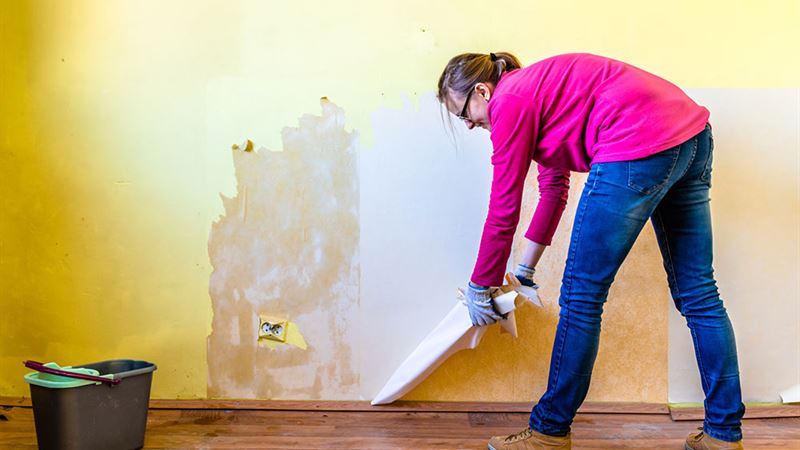
Dealing with water damage in a residential setting requires a systematic approach that prioritizes safety, expeditious water removal, infrastructure assessment, cleaning, and thorough disinfection. Below, we explore comprehensive strategies to manage water damage effectively, ensuring safety and restoring your home to its original condition.
- Immediate Response: Halt the Water Ingress
The first step involves identifying the source of water intrusion. If you see a leak from a broken pipe or appliance, shut off the main water supply immediately. If the source is unclear or if there’s flooding from external causes, turn off the main water valve to prevent further influx. Simultaneously, turn off the electrical power supply at the main fuse or circuit breaker panel to eliminate the risk of electrocution. Never attempt to handle water damage near live electrical components, especially in standing water. If you're uncertain about safely turning off electricity, contact a qualified electrician for assistance. Protect your safety as the top priority during this phase.
- Water Removal and Damage Minimization
Once the water source is contained, act swiftly to remove standing water. Rental equipment such as wet/dry vacuums, sump pumps, and industrial fans are beneficial tools for water extraction and drying. Use these tools efficiently to extract water from carpets, flooring, and hidden areas. Open windows and doors to facilitate airflow and accelerate drying. Always wear protective gear—rubber boots, gloves, and masks—to prevent contact with contaminated water. Proceed carefully, especially if knowledge about water contamination levels is unknown. Remove visibly damaged possessions and furniture immediately to prevent further mold proliferation. Pay particular attention to flooring, as wooden subfloors might take weeks or even months to fully dry. When appropriate, enlist professional cleaning services for rugs and upholstered items to ensure thorough sanitation.
- Cleaning, Disinfection, and Mold Prevention
After water extraction, the next critical phase involves disinfecting affected areas to eliminate bacteria, viruses, and mold spores. Use high-quality disinfectants formulated specifically for flood or water-damaged environments. Carefully follow product instructions, and ensure proper ventilation during application. Wear protective gear—masks, gloves, goggles—to safeguard against chemical exposure. Focus on all surfaces affected by water intrusion, including walls, floors, furniture, and HVAC components. Additionally, inspect and clean ventilation systems and ductwork to prevent circulating contaminated air. Regularly monitor the site for signs of mold growth, which can appear within 24 to 48 hours post-flood. Early detection and removal are essential to prevent health issues and structural decay.
Final Thoughts and Professional Assistance
Water damage can be devastating, impacting your property and peace of mind. It often results in extensive repairs and significant financial costs. Therefore, adhering to the above procedures diligently is vital for mitigating damage. In complex situations—such as extensive flooding or structural compromise—hiring professional water damage restoration experts is highly recommended. They possess the specialized equipment and expertise needed for comprehensive cleanup, drying, and mold remediation, ensuring your home is safe and fully restored.
Preparedness and prompt action are key to minimizing the adverse effects of water damage. Regular maintenance, prompt repairs to leaks, and awareness of potential plumbing issues can help prevent many water-related incidents. Always prioritize safety, and do not hesitate to seek professional help to ensure the highest standards of restoration and health safety are met. Taking these steps will safeguard your property and your loved ones from the long-term impacts of water intrusion.