
Comprehensive Guide to Children's Toys: Exploring Options for Every Age
Discover a comprehensive overview of children's toys, including dolls, educational sets, puzzles, construction kits, scale models, and soft toys. Learn how each category promotes development, creativity, and fun across different age groups, helping parents select the perfect toys that inspire learning, imagination, and growth in children of all ages.
Introduction to Children's Toys
Choosing the right toys for children is essential for their development, entertainment, and education. With a vast array of toys available in the market today, parents and caregivers often find it challenging to select age-appropriate, safe, and engaging options for their kids. This guide aims to provide a detailed overview of the most popular and beneficial toy categories, their features, developmental benefits, and tips for selecting the best toys for different age groups.
Classic Dolls and Figurines: Timeless Playthings with Modern Variations
dolls and figurines have been cherished by children for generations. Traditionally associated with girls and often representing characters from fairy tales, movies, or everyday life, these toys have evolved significantly over time. Today, both boys and girls enjoy a wide variety of dolls and action figures. From traditional Barbie dolls to realistic baby dolls and interactive, battery-operated figures capable of walking or talking, the options are endless. Action figurines representing characters from popular cartoons, comic books, and movies appeal to children’s imagination and storytelling skills. Choosing an age-appropriate doll can encourage nurturing behavior and social play, while collectible figurines can foster creativity and a sense of ownership in older children.
Educational Toys: Fostering Learning and Cognitive Development
Educational toys are specifically designed to stimulate a child's thinking, problem-solving skills, and creativity. They serve the dual purpose of keeping children engaged and promoting their intellectual growth. For infants and toddlers, simple toys like stacking cups, shape-sorting blocks, and textured rattles help develop fine motor skills and hand-eye coordination. Preschoolers benefit from alphabet puzzles, number blocks, and activity boards that introduce basic concepts of literacy and numeracy. As children grow, science kits, DIY engineering sets, and coding toys become increasingly relevant, encouraging curiosity and critical thinking. Selecting educational toys aligned with the child's developmental stage ensures they gain maximum benefits and enjoy their playtime while learning.
Puzzles: Enhancing Problem-Solving Abilities
Puzzles remain a popular toy category for children and adults alike. They are much more than mere entertainment—they are powerful tools for cognitive development. Puzzles improve visual-spatial reasoning, pattern recognition, and concentration. For young children, simple knob puzzles help refine motor skills and introduce concepts of shapes and colors. As children progress, more complex jigsaw puzzles with larger pieces challenge their reasoning and patience. Themed puzzles, such as those featuring animals, maps, or famous artworks, can also enhance knowledge and cultural awareness. Puzzle assembly encourages perseverance, strategic thinking, and collaboration, especially when done in groups or as family activities.
Construction Sets: Building Creativity and Engineering Skills
Construction toys like building blocks are essential for nurturing creativity, spatial awareness, and problem-solving. Classic wooden blocks, Lego sets, and mechanized construction kits allow children to bring their ideas to life through building and design. Younger children benefit from large, easy-to-handle blocks that develop motor skills, while older children can tackle more intricate structures with smaller pieces, fostering engineering skills and spatial reasoning. These toys promote open-ended play, imagination, and patience. For parents, they’re excellent for encouraging teamwork and collaborative problem-solving. The versatility and endless possibilities offered by construction toys make them a staple in every child's playroom.
Scale Models: Inspiring Future Engineers and Architects
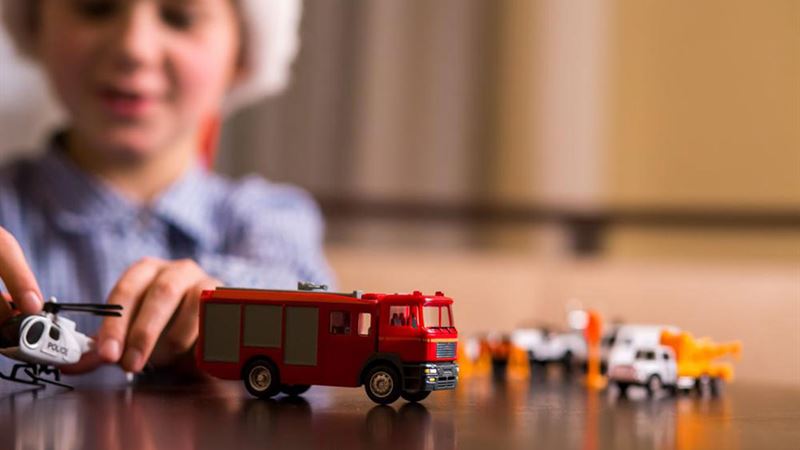
History and craftsmanship come alive through scale models. Model cars, trucks, aircraft, ships, and even miniature architectural structures captivate young minds and serve as entry points into the worlds of engineering, design, and history. Building scale models can be a detailed and meticulous task, suitable for older children and teenagers interested in mechanics and aesthetics. These models teach patience and precision and can spark a lifelong passion for engineering, architecture, or collecting. Collectors and hobbyists also enjoy creating and displaying detailed scale models, adding a sense of accomplishment and pride to their hobbies.
Soft Toys: Comfort, Companionship, and Creative Play
Soft toys are a perennial favorite among children of all ages. Their softness, vibrant colors, and cuddly appeal provide comfort and a sense of security. Animal soft toys are the most commonly loved, with various sizes from miniature collectibles to life-sized companions. Children often form emotional bonds with their favorite plush toys, which can serve as trusted friends and sleep companions. Soft toys also stimulate imaginative play, as kids create stories and adventures with their plush characters. For parents, soft toys are safe, washable, and versatile gift options that bring joy and comfort to children in every stage of development.
Conclusion
Children's toys are more than just sources of fun—they are vital tools for growth, learning, and creativity. From classic dolls and educational sets to intricate models and soft plush toys, each category offers unique benefits tailored to different ages and interests. When selecting toys, it’s essential to consider the child's developmental stage, safety, and the toy's ability to inspire imagination and learning. With the right assortment, playtime becomes a meaningful and enriching experience that supports a child's growth into a well-rounded and curious individual.