
Comprehensive Guide to Popular Children's Toys: Types and Benefits
Discover the diverse world of children's toys including dolls, educational games, puzzles, construction sets, models, and plush toys. Learn how each category contributes to a child's development, creativity, and happiness. This comprehensive guide helps parents select age-appropriate toys that foster learning, motor skills, and emotional well-being, making childhood both fun and educational.
Classic Dolls and Figurines: Dolls and figurines are timeless favorites across generations. Traditionally, girls gravitated toward dolls, while boys preferred action figures, but modern trends have blurred these distinctions. Today, children of all genders enjoy a diverse range of dolls, from traditional Barbie dolls to more interactive, battery-operated models that can walk, talk, or open and close their eyes. Action figures, inspired by cartoons and comic characters, captivate kids' imaginations and encourage storytelling. These toys help develop social skills, empathy, and narrative abilities as children role-play and create scenarios involving their favorite characters.
Educational Toys: Toys designed to promote learning are invaluable for childhood development. They are tailored to enhance cognitive skills, improve problem-solving abilities, and foster curiosity. For infants, simple toys like stacking cups, flexible blocks, or shape-sorting boxes stimulate sensory and motor development. Preschoolers benefit from alphabet blocks, number puzzles, and science kits that introduce early literacy and numeracy concepts. As children grow, educational toys become more complex, such as robotics kits, chemistry sets, and advanced puzzles. These toys nurture curiosity about the world, bolster critical thinking, and lay a foundation for academic success.
Puzzles and Brain Teasers: Puzzles are versatile toys that appeal to children and adults alike. They serve as excellent developmental tools by enhancing visual perception, spatial reasoning, and patience. Puzzles come in various forms, from simple knob puzzles for toddlers to challenging jigsaw puzzles for older children. They teach children how to analyze problems, strategize solutions, and develop fine motor skills as they manipulate pieces. Additionally, solving puzzles can promote perseverance and confidence, making them a highly recommended activity for fostering mental agility and resilience in children.
Construction and Building Sets: Building toys like LEGO, Mega Bloks, and Mechanix kits inspire creativity, engineering skills, and spatial awareness. These kits enable children to construct everything from simple structures to complex inventions, providing hours of constructive play. As children develop, the complexity of these kits increases, encouraging them to think critically about geometry, balance, and design. Such toys not only entertain but also foster patience, planning, and problem-solving skills. Adults often find themselves engaged too, making construction sets a delightful shared activity across generations.
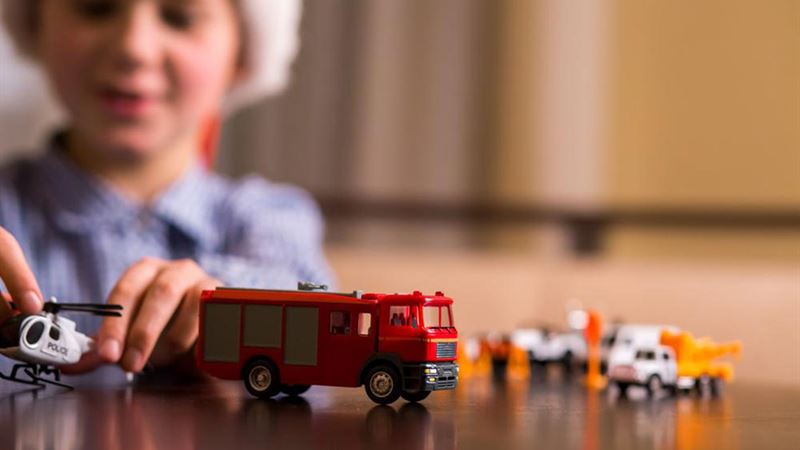
Scale Models and Miniature Creations: Modeling kits are a favorite among older children and hobbyists. These include detailed models of vehicles like cars, planes, and ships, as well as architectural structures and cityscapes. Assembling scale models requires precision, patience, and attention to detail, cultivating hand-eye coordination and meticulousness. For many, building models sparks a lifelong passion for engineering and design, combining fun with skill development. Collecting and customizing models encourages creativity and an appreciation for craftsmanship.
Soft Toys and Plush Animals: Soft toys remain quintessential companions for children of all ages. Their comforting presence helps in emotional regulation and provides a sense of security. Animal plush toys, ranging from tiny keychain-sized items to life-sized replicas, appeal due to their softness, huggability, and adorable designs. Many children develop strong emotional bonds with their favorite stuffed animals, often carrying them into adulthood. Soft toys also play a role in imaginative play, storytelling, and nurturing behaviors, making them an essential part of childhood.