
Comprehensive Guide to Modern Irrigation Techniques and Essential Maintenance Tips
Discover comprehensive insights into various irrigation systems, from traditional surface watering to advanced automated techniques. Learn effective installation and maintenance tips to optimize water use, enhance plant health, and ensure long-term system performance. This detailed guide is perfect for gardeners, farmers, and landscapers looking to improve their irrigation practices and promote sustainable water management across different settings.
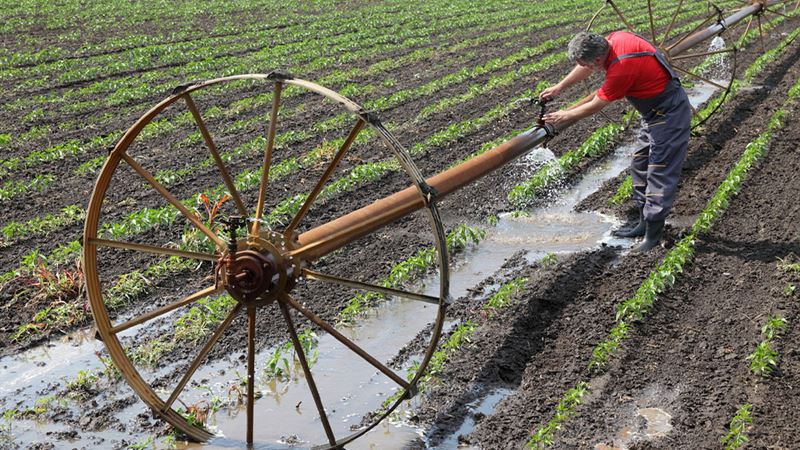
Effective irrigation practices are critical for maintaining healthy landscapes, maximizing crop yield, and conserving water resources. Understanding different types of irrigation systems and their installation and repair techniques helps homeowners, farmers, and landscapers optimize water efficiency and plant health. This extensive guide explores various irrigation methods—from traditional surface watering to high-tech automated systems—providing detailed insights and practical tips for installation, maintenance, and troubleshooting.
Surface Irrigation: Traditional Water Distribution Methods
Surface irrigation remains one of the oldest and most widely used irrigation techniques globally. It involves distributing water across the land surface by gravity, utilizing natural land contours and infrastructure like canals, basins, furrows, or borders. This method is often preferred for its simplicity and low initial investment, especially in rural agricultural settings. For instance, fruit orchards frequently employ basin irrigation, where water is directed into designated plots, ensuring adequate hydration for trees. Similarly, row crops such as corn or wheat benefit from furrow irrigation, where channels are created between crop rows to channel water efficiently.
While effective, surface irrigation can lead to issues like uneven water distribution if not managed correctly and may cause water wastage through runoff or deep percolation. Proper land leveling and managing flow rates are crucial for enhancing efficiency. Farmers and landscapers should regularly monitor these systems to prevent waterlogging or soil erosion.
Localized and Drip Irrigation: Precision Watering for Efficient Use
Localized irrigation techniques focus on delivering water directly to the root zones of individual plants or specific areas, reducing water wastage significantly. These systems are particularly advantageous in water-scarce regions or for high-value crops and landscaping projects.
- Drip Irrigation
- Micro-sprinkler Systems
- Bubbler Irrigation
This highly efficient system delivers water directly at or near the roots of plants via networked hoses, emitters, or tubing. It minimizes evaporation, runoff, and soil erosion, making it ideal for vegetable gardens, flower beds, and fruit trees. Drip systems can be customized for different crop types, with adjustable flow rates ensuring each plant receives adequate moisture.
Micro-sprinkler irrigation involves small overhead sprinklers that spray water in a fine mist around the base of plants or trees. This method is suitable for horticultural grounds, nurseries, and landscape beds where uniform water distribution is essential. Micro-sprinklers also help maintain soil moisture levels more effectively than traditional watering methods.
This system applies a small stream of water directly to flood small soil basins around individual trees or plants. The bubbler method ensures that each plant receives adequate hydration without water wastage, making it highly suitable for orchard management and landscape trees.
Advantage of High-Efficiency Systems: Center Pivot and Lateral Move Irrigation
High-volume irrigation systems like center pivot and lateral move systems are common in expansive farmland and are designed for uniform water distribution over large areas.
- Center Pivot Irrigation
- Lateral Move Irrigation
This system employs a rotating arm with sprinklers mounted on wheeled towers that revolve around a central pivot point, covering large circular plots. Its automation and even coverage make it a favorite for large-scale crop farms, particularly in flat terrains.
Similar to center pivot but configured to move laterally across fields, this system involves a series of connected pipes and sprinklers that move across the land. While more affordable than center pivot setups, they might require frequent manual adjustments and connections, making maintenance and operation manageable yet labor-intensive.
Sub-Irrigation: Groundwater Management Technique
Sub-irrigation involves raising underground water levels using scaffolding such as pumps, canals, gates, and underground ditches. This technique is highly effective in areas with high water tables and helps maintain soil moisture levels sustainably. Its installation involves installing an underground network of pipes and valves to control water flow beneath the surface, reducing evaporation losses and improving water retention in the root zone.
Manual Watering: The Traditional Approach
Manual irrigation, using tools like watering cans, remains a simple yet labor-intensive method suitable for small gardens, delicate plants, or situations where precise watering is necessary. Although it’s time-consuming, manual watering allows gardeners full control over water application, crucial for sensitive seedlings or areas requiring careful attention.
Effective Strategies for Installing Irrigation Systems
Proper installation of irrigation systems is critical for ensuring efficiency, longevity, and optimal performance. Whether installing a small garden setup or a large agricultural project, following key steps can save you time, money, and water.
- Thorough Planning
- Sodding and Land Preparation
- Precision Pipe Placement
- Excavation and Boring Techniques
- Proper Cutting Tools
- Secure Connections
- Smart Controls and Automation
Begin by assessing your land's size, shape, and water needs. Dividing your area into different zones based on sun exposure, soil type, and crop requirements allows for tailored watering schedules. Planning the placement of sprinkler heads and emitters is vital for even water distribution.
Remove the existing sod or vegetation in areas where the irrigation system will be installed. After installing pipes and fixtures, you can replace the sod to maintain a uniform lawn appearance, avoiding patchiness.
Using high-quality polyethylene pipes, carefully lay out your piping system while avoiding interference with existing tree roots or underground utilities. Aim for a depth of at least ten inches to prevent damage, and avoid splicing pipes underground, as it can lead to leaks. If unsure, consider hiring professionals with experience in irrigation installation.
Utilize hand tools for digging near underground utilities to prevent accidental damage, and employ specialized equipment like horizontal boring machines to create pathways under sidewalks, driveways, or other obstacles.
Use polyethylene pipe cutters rather than manual saws to ensure clean cuts, preventing clogging or leaks caused by rough edges.
Use double clamps or fittings to reinforce major pipe joints and prevent leaks under pressure. For underground fittings, self-tapping or saddle fittings make installation faster and more secure.
Investing in intelligent controllers allows for automatic adjustment of watering schedules based on weather conditions, soil moisture, and temperature. This minimizes water wastage and enhances system efficiency.
Maintenance and Repair of Irrigation Systems
Regular maintenance ensures the longevity and optimal performance of your irrigation setup. Key maintenance practices include cleaning filters, inspecting pipes for leaks, and replacing damaged sprinkler heads. Protective measures against weather elements like freezing or rusting are also essential.
Common repair tasks involve replacing malfunctioning sprinkler heads, fixing low-pressure issues, or repairing broken pipelines. While minor repairs can often be handled DIY, complex problems should be addressed by professional irrigation technicians who possess the specialized knowledge and tools to diagnose and fix underlying issues effectively.
In summary, understanding different irrigation methods, proper installation, and maintenance techniques can vastly improve the efficiency of your watering practices, save water, and promote healthy plant growth. Whether managing a small garden or a large farm, adopting modern irrigation practices ensures sustainability and productivity in your landscape or agricultural venture.