
Cost-Effective Strategies for Efficient Drainage Management
Discover comprehensive, budget-friendly drainage solutions to protect your property. From DIY options like French drains and rain gardens to natural landscaping and professional advice, this guide covers affordable strategies to manage excess water effectively. Ensure your property remains dry and damage-free with practical tips on assessment, maintenance, and sustainable water management. Cost-effective and environmentally friendly approaches can improve your landscape’s resilience, prevent flooding, and enhance aesthetic appeal—all without overspending.
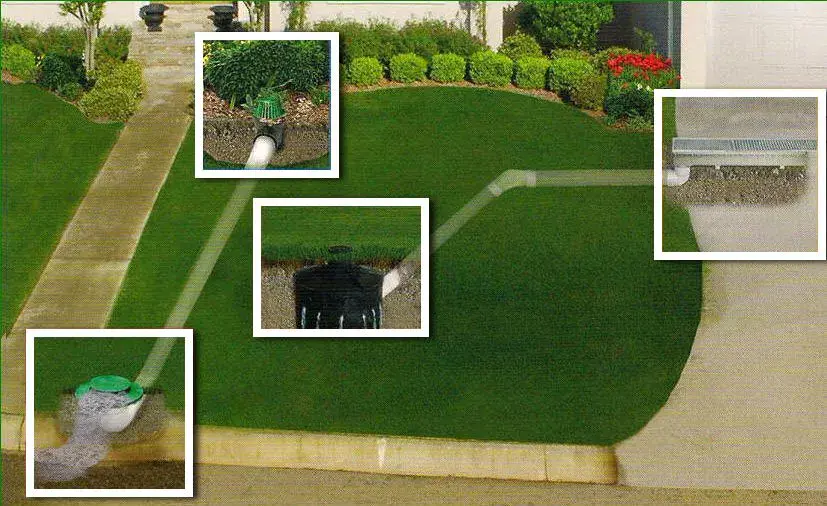
Maintaining a well-functioning drainage system is essential for protecting your property from water-related issues and promoting a healthy outdoor environment. Many homeowners worry about the expenses involved in installing or upgrading drainage solutions. Fortunately, there are numerous affordable and effective drainage management options that can help you handle excess water without exceeding your budget. Here's a comprehensive guide on cost-effective drainage solutions and tips to implement them efficiently.
1. Identifying Your Drainage Challenges
The first step toward an effective drainage system is understanding your property's specific needs. Conduct a detailed assessment to identify problematic areas prone to water pooling, erosion, or flooding. This can be achieved through a simple visual inspection and topographical analysis. Focus on:
- Slopes and land contours around your property
- Existing drainage pathways or natural water flow patterns
- Type of soil and its permeability
Understanding these aspects will help you determine the most appropriate and economical drainage strategies for your outdoor space.
2. Cost-Efficient DIY Drainage Solutions
Opting for do-it-yourself projects can significantly cut down costs while providing effective drainage management. Here are some practical DIY options to consider:
- French Drains: Installing a trench filled with gravel or coarse rock directs excess water away from troublesome spots. This method is inexpensive and straightforward to implement with basic tools.
- Surface Swales: Shallow, vegetated channels designed to guide water across your landscape efficiently. Planting native grasses or wetland plants along these swales enhances natural water absorption and adds aesthetic value.
- Rain Gardens: These are specially designed depressions filled with native, water-loving plants that absorb stormwater runoff from impervious surfaces such as driveways and sidewalks. Rain gardens are cost-effective and environmentally friendly.
3. Harnessing Natural Landscaping for Better Drainage
Utilizing natural elements can be a sustainable and economical way to manage excess water. Consider planting water-absorbing native plants and creating landscape features that facilitate drainage. Strategies include:
- Planting native grasses and perennials that naturally require moist conditions
- Creating rain gardens to intercept runoff
- Designing gentle slopes that direct water away from foundations
This approach promotes biodiversity, enhances the visual appeal, and reduces the need for extensive modifications or complex systems later on.
4. Rainwater Harvesting with Rain Barrels
One of the simplest yet highly effective methods to manage stormwater is installing rain barrels. They help in collecting rainwater directly from downspouts, reducing runoff, and providing water for outdoor use. To maximize benefits:
- Position the barrels under roof gutter downspouts
- Use collected water for garden irrigation to reduce water bills
- Ensure barrels have proper lids to prevent mosquito breeding and debris entry
This eco-friendly solution is inexpensive, easy to install, and offers long-term savings.
5. Routine Maintenance for Optimal Performance
Effective drainage depends heavily on regular upkeep. Ensure your drainage elements function correctly by performing routine maintenance:
- Clear Debris: Regularly remove leaves, dirt, and other obstructions from gutters, downspouts, and drainage channels.
- Check Soil Grading: Confirm that the land slopes away from your home's foundation to prevent water accumulation near structures.
- Inspect Systems: Periodically examine your drainage solutions for signs of damage or clogging and address issues promptly.
Consistent maintenance extends the lifespan of your drainage systems and enhances their efficiency.
6. Permeable Materials for Paving
Traditional paving materials often contribute to increased surface runoff. Instead, consider permeable pavers for driveways or walkways. These materials allow water to seep through, reducing pooling and helping restore natural infiltration. Permeable pavers come in diverse styles, colors, and textures, making them both functional and attractive.
7. Seeking Professional Advice on Drainage Concerns
If DIY methods do not resolve your drainage issues, consulting a professional can be a wise choice. To minimize costs during hiring:
- Request multiple quotes to compare pricing and services
- Check references and portfolios to evaluate past successful projects
Discuss affordable drainage options during consultations to find solutions that fit your budget while effectively addressing your needs.
8. Pricing Comparison of Drainage Systems
Understanding the costs associated with various drainage solutions helps in better planning and budgeting:
| Drainage Technique | Approximate Cost | Effectiveness |
|---|---|---|
| French Drain | $100 - $300 (DIY) | High |
| Surface Swale | $50 - $150 (DIY) | Moderate |
| Rain Garden | $200 - $500 | High |
| Rain Barrel | $50 - $200 | Moderate |
| Permeable Pavers | $10 - $30 per sq ft | High |
Final Thoughts on Cost-Effective Drainage Solutions
Implementing budget-friendly and efficient drainage methods not only safeguards your property but also promotes sustainable water management. Whether you prefer DIY installations or seek advice from professionals, numerous options are available that suit various financial constraints. Regularly assessing, maintaining, and adapting your drainage systems ensures long-term durability and optimal performance. Investing in effective drainage today can save you significant costs in repairs and water damage mitigation in the future.