This comprehensive guide explores the various types of urinary incontinence, including overflow, mixed, functional, and gross incontinence. It details their causes, associated risks, and the thorough diagnostic procedures used by healthcare providers to determine the underlying issues. From clinical history to advanced imaging, understanding these aspects is vital for effective management and improved quality of life for those affected by urinary control problems.
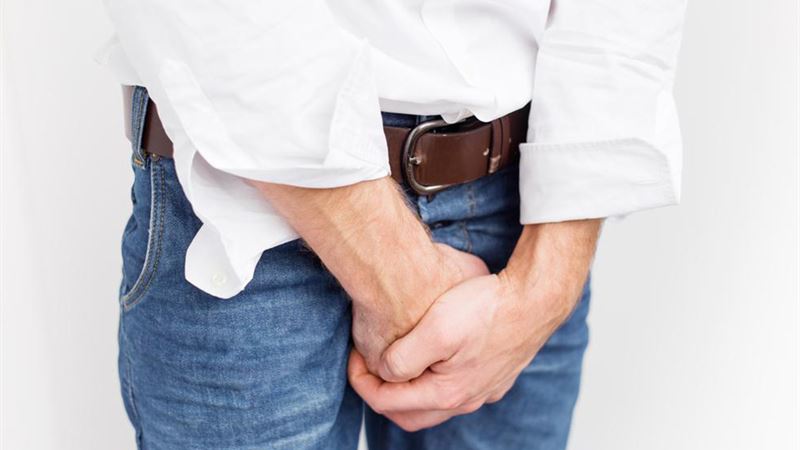
Urinary incontinence is a condition characterized by the involuntary leakage of urine, which can significantly impact a person's quality of life. Understanding the various types of incontinence and how they are diagnosed is essential for effective treatment and management. This comprehensive guide explores the different categories of incontinence, their causes, associated risks, and the diagnostic procedures used by healthcare professionals to identify the underlying issues.
Understanding the Types of Urinary Incontinence
Overflow Incontinence
Overflow incontinence primarily affects men and occurs when the bladder cannot empty properly, leading to overdistension. This condition often results from an enlarged prostate gland, which constricts the urethra and impairs urine flow. As a consequence, the bladder fills beyond capacity, causing involuntary dribbling or leakage. In addition to prostate enlargement, other causes include ureteral or urethral obstructions, neurological issues affecting bladder emptying, and certain medications that impair bladder contractility. Patients may experience a constant feeling of bladder fullness, weak urine stream, or post-void dribbling. Over time, this can lead to bladder infections and kidney damage if not properly managed.
Mixed Incontinence
Mixed incontinence refers to the simultaneous occurrence of both stress and urge incontinence. Patients with this condition experience leakage during activities that increase intra-abdominal pressure, such as coughing, laughing, or lifting, combined with sudden urges to urinate. This dual presentation complicates the diagnosis and treatment but is often managed with a combination of pelvic floor exercises and behavioral therapies. The underlying causes of mixed incontinence can include connective tissue weakness, neurological disorders, hormonal changes, and previous pelvic surgeries. Addressing both components is crucial for effective symptom control.
Functional Incontinence
This type of incontinence commonly affects the elderly and arises from physical or cognitive impairments that hinder the individual’s ability to reach the bathroom in time. Factors include mobility issues, arthritis, neurological conditions such as Parkinson’s disease, or visual impairments. It is not caused by issues within the urinary system itself but rather by external barriers. Proper management involves improving accessibility, assistive devices, toileting schedules, and addressing underlying disabilities to enhance quality of life.
Gross Incontinence
Gross incontinence is characterized by continuous urinary leakage, often related to congenital abnormalities, trauma, or acquired conditions such as fistulas. Common causes include spinal cord injuries, birth defects, or infections that create abnormal connections between the urinary system and other organs, like the vagina or rectum. Patients with gross incontinence frequently experience persistent leakage, leading to skin irritation, infections, and social embarrassment. Treatment often involves surgical correction and comprehensive urinary management strategies.
Risk Factors for Urinary Incontinence
A number of factors can predispose individuals to develop different types of urinary incontinence. Obesity increases abdominal pressure, weakening pelvic floor muscles over time. Smoking can lead to chronic cough, increasing intra-abdominal pressure. Gender differences influence risk, with women more prone to stress incontinence due to childbirth-related pelvic floor damage, while men are more affected by prostate-related issues. Medical conditions such as diabetes, kidney disease, neurological disorders, and injuries to the pelvic area also elevate the risk. Ageing naturally weakens muscle tone and neural control, contributing to incontinence. Medications, particularly diuretics and sedatives, can also impact bladder control.
Diagnostic Approaches
Diagnosing urinary incontinence requires a thorough clinical assessment, laboratory tests, and sometimes imaging studies. Healthcare providers typically follow a systematic approach to identify the underlying cause and formulate an effective treatment plan.
- Clinical History: Gathering detailed information about the patient's symptoms, including the frequency, volume, timing of urination, and circumstances surrounding leakage episodes, is fundamental. Patients may be asked to keep a bladder diary, recording fluid intake, urinary output, and leakage occurrences over several days to provide a comprehensive symptom overview.
- Physical Examination: An internal examination via vagina or rectum assesses muscle strength, pelvic organ prolapse, and prostate size in men. These evaluations help determine the presence of pelvic floor weakness or other anatomical issues contributing to incontinence.
- Laboratory Tests: Blood work can reveal underlying issues such as kidney function, blood glucose levels indicating diabetes, or markers of infection. Urinalysis helps identify urinary tract infections, hematuria, or other abnormalities.
- Imaging Studies: Ultrasound examinations of the urinary system are routinely performed to visualize bladder structure, residual urine volume after voiding, and detect abnormalities such as tumors, stones, or fistulas. In complex cases, radiological procedures like cystoscopy — an endoscopic examination of the bladder — may be used to inspect the interior of the urinary tract for structural issues.
- Specialized Tests: Urodynamic studies measure bladder pressure, capacity, and sphincter function, providing detailed insights into the urinary system's mechanics. These tests are particularly useful when diagnosis is unclear or prior treatments have failed.
Conclusion
Understanding the different types of urinary incontinence and their diagnostic procedures is essential for appropriate treatment. From overflow incontinence caused by prostate enlargement to functional incontinence resulting from mobility issues, each condition requires a tailored approach for management. Accurate diagnosis through a combination of patient history, physical examination, laboratory tests, and imaging studies enables healthcare providers to develop effective treatment strategies, improve patient quality of life, and prevent complications such as infections or kidney damage. If you experience symptoms of incontinence, consulting a healthcare professional promptly can lead to better outcomes and enhanced well-being.
Note: Always seek medical advice from qualified professionals if experiencing urinary incontinence or related symptoms. Early diagnosis and personalized treatment plans are key to managing this common condition effectively.
