
Comprehensive Guide to Managing and Curing Frequent Urination Problems
This comprehensive guide explores the causes, symptoms, diagnosis, and treatments for frequent urination. It emphasizes the importance of early detection, lifestyle modifications, and medical interventions to effectively manage living with this condition. Whether related to infections, bladder overactivity, or other health issues, understanding these factors can help individuals seek timely relief and improve their quality of life through targeted therapy and preventive measures.
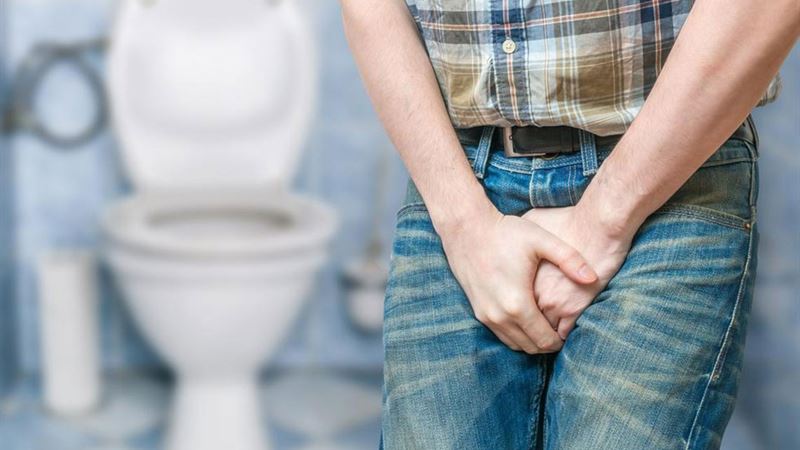
Understanding the Root Causes of Frequent Urination
Frequent urination, medically known as polyuria, is a common concern affecting individuals across all age groups. Its causes are diverse, spanning infections, neurological issues, hormonal imbalances, and lifestyle factors. Identifying the precise reason is crucial for targeted treatment. Below, we delve into the main conditions responsible for this problem.
Urinary Tract Infections (UTIs)
One of the most prevalent causes of frequent urination is urinary tract infections. UTIs occur when bacteria invade the urinary system, typically entering through the urethra and infecting the bladder, ureters, or kidneys. Women are more susceptible due to anatomical differences, especially the shorter urethra, which facilitates bacterial entry. Studies indicate that approximately one-third of women experience at least one UTI before reaching 24 years of age. The symptoms often include a burning sensation during urination, cloudy or foul-smelling urine, urinary urgency, and pain in the lower abdomen. If left untreated, UTIs can lead to kidney infections and other complications.
Overactive Bladder (OAB)
Another significant cause of increased urination frequency is overactive bladder syndrome. OAB affects millions worldwide and is characterized by sudden urges to urinate, frequent trips to the bathroom, and involuntary urine leakage. According to research by the American Urological Association, about 33 million Americans suffer from this condition, underscoring its widespread nature. The primary symptoms include urgent urination, waking multiple times during the night to urinate (nocturia), and incontinence episodes. Factors contributing to OAB encompass hormonal fluctuations, neurological disorders, and physical conditions that affect bladder nerves and muscles.
Other Health Conditions Influencing Urination Frequency
Additional health issues that can cause frequent urination include diabetes mellitus, which leads to excess glucose in the bloodstream and increased urine production; interstitial cystitis, a chronic bladder condition causing pain and urgency; and bladder stones or tumors that irritate the lining of the bladder. Lifestyle habits, such as excessive consumption of diuretics like caffeine and alcohol, further exacerbate urination problems by directly irritating the bladder walls and increasing urine output.
Recognizing Symptoms of Frequent Urination
Detecting the symptoms early can facilitate timely diagnosis and effective treatment. Common signs include:
- Urinating more than eight times within a 24-hour period
- Waking multiple times at night to urinate (nocturia)
- A sudden and uncontrollable urge to urinate
- Sensation of burning or pain during urination
- Blood in the urine or discolored, foul-smelling urine
- Lower abdominal discomfort or pressure
- Leakage of urine without warning
If you experience any of these symptoms, it is advisable to seek medical attention promptly to identify the cause and initiate appropriate treatment.
Medical Evaluation and Testing
Accurate diagnosis requires consultation with a healthcare professional, ideally a urologist specialized in urinary system disorders. The diagnostic process may include:
- Urinalysis: Testing urine samples for bacteria, blood, glucose, or other abnormalities
- Pelvic Examination: Assessing the pelvic region, especially in women, to identify structural issues
- Cystoscopy: A minimally invasive procedure using a thin fiber-optic scope to visualize the interior of the bladder and urethra
- Bladder Scanner: An ultrasound device that measures post-void residual urine volume to evaluate bladder emptying efficiency
- Urodynamic Tests: A series of assessments that measure how well the bladder and urethra are storing and releasing urine
Additional tests, such as blood sugar levels or imaging scans, may be recommended based on initial findings to rule out diabetes or structural abnormalities.
Effective Treatments for Frequent Urination
Once the underlying cause is identified, a tailored treatment plan can be developed, which may include medication, behavioral therapies, or surgical options.
Pharmacological Interventions
Antibiotics are prescribed if bacterial infection, such as UTI, is diagnosed. For overactive bladder, medications like antimuscarinics or beta-3 adrenergic agonists help relax bladder muscles, reducing urgency and frequency. Incontinence control may also be achieved through medications that improve bladder capacity or nerve signaling.
Behavioral and Lifestyle Modifications
Pelvic floor (Kegel) exercises strengthen the muscles supporting the bladder, aiding in better control and reduced leakage. Bladder training techniques involve scheduled urination to extend the interval between voids gradually. Managing fluid intake by reducing caffeine and alcohol, especially before bedtime, can markedly diminish symptoms. Additionally, maintaining a healthy weight reduces pressure on the bladder, improving symptoms significantly.
Dietary and Natural Approaches
Incorporating high-fiber diets helps prevent constipation, which can exert additional pressure on the bladder. Some herbal remedies and supplements, such as cranberry extract or pumpkin seed oil, may provide supportive benefits, but consult a healthcare provider before use.
When Surgical Options Are Necessary
In cases where conservative measures fail or structural problems are diagnosed, surgical interventions might be considered. Procedures could include bladder lift, augmentation cystoplasty, or the insertion of neuromodulation devices to regulate bladder activity.
Preventive Measures to Reduce Urination Problems
Prevention plays a crucial role in managing frequent urination. Simple lifestyle adjustments can help lower the risk of infections and bladder irritation:
- Avoid diuretic-rich foods and beverages such as caffeine, alcohol, and carbonated drinks, particularly in the evenings
- Limit spicy foods and artificial sweeteners that may irritate the bladder
- Maintain adequate hydration with water, but avoid excessive intake that can increase urinary frequency
- Practice good hygiene hygienic practices to prevent infections, especially in women
- Manage chronic health conditions like diabetes through proper medical care
- Perform regular pelvic floor exercises to strengthen urinary muscles
If you notice persistent or worsening symptoms, seek professional consultation promptly to diagnose any underlying issues and start effective treatment.