
Understanding Parkinson’s Disease: Symptoms, Causes, and Advanced Management Strategies
This comprehensive article explores Parkinson’s disease, detailing its symptoms, causes, and the latest management and treatment methods. Learn about natural remedies like yoga and tai chi, advanced surgical options such as deep brain stimulation, and emerging therapies including stem cell transplants and gene therapy. Early diagnosis and a holistic approach are crucial for improving quality of life. Stay informed about how ongoing research could unlock more effective solutions in the future for those battling this progressive neurological disorder.
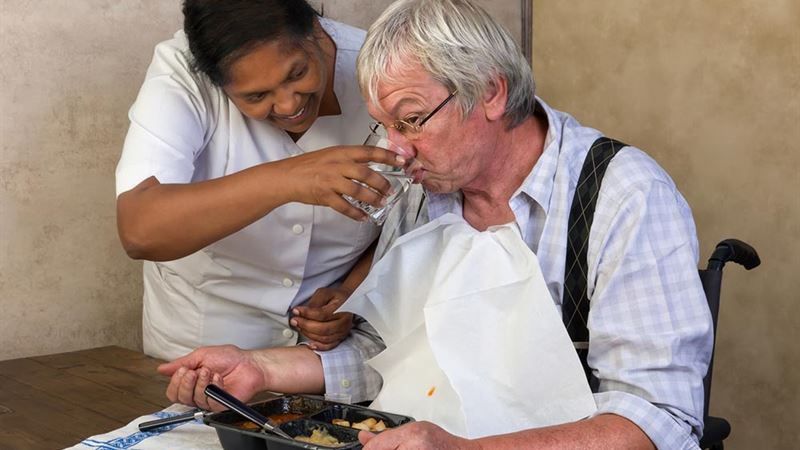
Parkinson’s disease is a progressive neurological disorder that predominantly affects movement, motor skills, and coordination. It gradually impairs a person’s ability to perform daily activities, often starting with subtle signs and developing into more pronounced symptoms. The disease fundamentally impacts the nervous system, leading to a range of physical and cognitive challenges. Understanding its symptoms, underlying causes, and treatment options is crucial for early intervention and improving quality of life for those affected.
People with Parkinson’s often notice a slowdown in their movements, difficulty in maintaining balance, and tremors—even when at rest. These symptoms evolve over time, impacting motor functions essential for everyday tasks like walking, dressing, and speaking. While the exact cause of Parkinson’s remains unknown, ongoing research suggests a combination of genetic predispositions and environmental influences play significant roles in its development.
Common Symptoms of Parkinson’s Disease
- Tremors: One of the most recognizable symptoms, tremors involve rhythmic shaking, usually starting in the hands or fingers. These tremors often resemble a pill-rolling motion of the thumb and forefinger and tend to worsen when the individual is at rest. Interestingly, tremors are typically less noticeable during voluntary movements but become prominent during periods of inactivity or stress.
- Muscle Rigidity: This symptom manifests as stiffness in the muscles, reducing flexibility and causing discomfort or pain. Rigidity can affect any part of the body and often results in a decreased range of motion, making simple actions like turning or bending difficult.
- Bradykinesia (Slowed Movement): Parkinson’s causes a noticeable slowing of movement, reducing spontaneous activity, and making tasks like walking or writing more challenging. People may take shorter steps, drag their feet, or have difficulty initiating movements altogether.
- Postural Instability: Balance problems can lead to frequent falls and a stooped posture. Maintaining upright posture becomes difficult, especially in advanced stages of the disease.
- Speech Changes: Speech becomes softer, slurred, or hesitant. Some individuals develop a monotonous voice due to impairment in the brain regions controlling speech production.
- Writing Difficulties: Handwriting changes over time, becoming smaller and more cramped—a condition known as micrographia. This symptom reflects declining fine motor control caused by the disease.
Causes and Underlying Factors of Parkinson’s Disease
Despite extensive research, the exact cause of Parkinson’s disease remains elusive. It is believed to arise from a complex interplay of genetic and environmental factors. Studies indicate that hereditary factors contribute approximately 10-15% of cases, with certain gene mutations increasing susceptibility. However, most cases are sporadic, with no clear familial history.
Environmental exposures are also linked to Parkinson’s, including prolonged contact with pesticides, herbicides, and industrial chemicals. Additionally, factors like head injuries and certain lifestyle choices may influence risk levels. The core pathology involves the loss of dopamine-producing neurons in the substantia nigra, a region deep within the brain that is critical for controlling movement. The depletion of dopamine results in the characteristic motor symptoms associated with the disease.
Current scientific investigations aim to identify precise genetic markers and environmental triggers, which could lead to earlier diagnosis and targeted therapies in the future.
Innovative and Natural Approaches to Managing Parkinson’s Symptoms
Although Parkinson’s is considered incurable, various natural and complementary therapies have shown promise in alleviating symptoms and enhancing patients’ quality of life. A holistic approach combining medical treatment with lifestyle modifications can significantly benefit individuals living with this condition.
- Yoga and Mindfulness Practices: Incorporating yoga and meditation into daily routines can improve balance, flexibility, and mental well-being. Yoga helps strengthen muscles, enhance posture, and reduce stiffness, while mindfulness techniques aid in stress reduction and better sleep patterns, which are often disrupted in Parkinson’s patients.
- Tai Chi and Qigong: These traditional Chinese exercises focus on slow, deliberate movements combined with breath control. Studies have shown that regular practice improves balance, reduces falls, and enhances overall coordination, making them effective complementary therapies for moderate Parkinson’s symptoms.
- Massage Therapy: Regular massage sessions can help relax tense muscles, improve circulation, and reduce pain. Gentle massage also promotes relaxation, which can help mitigate anxiety and improve mobility nuances for Parkinson’s individuals.
In addition to these, other beneficial therapies include physical activity through resistance training, acupuncture, and maintaining a nutritious, antioxidant-rich diet. Ensuring proper sleep hygiene and managing stress levels are crucial components of a comprehensive management plan.
Advanced Treatment Options for Parkinson’s Disease
While medication remains the primary approach, advanced surgical and therapeutic interventions are available for managing severe symptoms or cases unresponsive to standard treatments.
- Deep Brain Stimulation (DBS): This minimally invasive procedure involves implanting electrodes into specific parts of the brain. These electrodes deliver controlled electrical pulses, helping regulate abnormal brain activity. DBS has demonstrated remarkable success in reducing tremors, rigidity, and motor fluctuations, thereby restoring a significant level of mobility and functionality.
- Stem Cell Transplantation: This innovative approach aims to replace damaged neurons with healthy, dopamine-producing cells derived from stem cells. Although still under research, stem cell therapy holds promise for replenishing lost neurons and reversing some movement symptoms of Parkinson’s.
- Neural Repair Techniques: Surgical interventions focused on repairing or regenerating neurons are gaining attention. These include gene therapy and cellular reprogramming aimed at restoring normal neural functions and preventing further degeneration.
Moreover, gene therapy is emerging as a potent treatment avenue. By delivering specific genes to the brain, scientists hope to revive or enhance neuronal performance, offering hope for personalized and more effective management strategies. Patients should always consult healthcare specialists to tailor treatments suited to their individual conditions.
Ultimately, ongoing research into the causes of Parkinson’s and cutting-edge treatment techniques continue to expand the horizon for those affected by this challenging disease, aiming for more effective management, improved mobility, and a better quality of life.