
Comprehensive Guide to Birdhouses: Essential Tips for Bird Enthusiasts
This comprehensive guide explores everything bird enthusiasts need to know about choosing, materials, placement, and care of birdhouses. Learn how to support local bird populations effectively with expert tips on species preferences, material pros and cons, and strategic positioning to create safe nesting habitats. Whether you're a beginner or experienced bird lover, understanding these fundamental aspects will help you foster a thriving environment for various bird species in your backyard or community area.
Discover everything you need to know about choosing, understanding, and placing birdhouses to support local bird populations effectively.
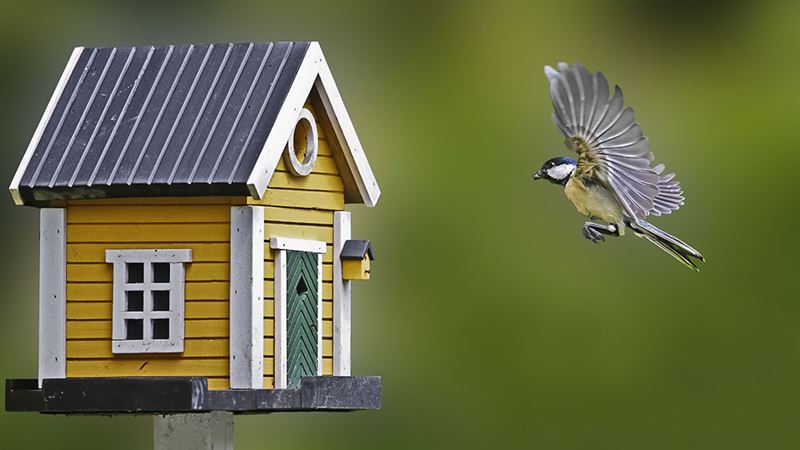
Birdhouses serve as vital shelters for many bird species, especially during breeding seasons, migration, or harsh weather conditions. Properly selected and positioned birdhouses can significantly increase nesting success rates and support conservation efforts. When selecting a birdhouse, it is crucial to understand the specific needs of the species you wish to attract and the environmental conditions of your location.
Let’s delve into some fundamental aspects of birdhouses to help you make informed decisions. For example, bluebirds require a cozy, secluded nesting space where they can feel secure. They prefer small entrance holes about 1 ½ inches in diameter, positioned at a height that keeps predators at bay. Placing the birdhouse at an appropriate height is essential to make it accessible yet safe for the birds. Conversely, Purple Martins are more sociable and prefer communal nesting sites, with multiple entry points allowing easy access to their colonies. Understanding these species-specific preferences is the first step toward creating a welcoming environment.
Material Selection for Birdhouses
Birdhouses come in a plethora of materials, each with its own merits and drawbacks. Common options include wood, metal, fabric, ceramic, plastic, and gourds. These materials are readily available in stores specializing in wild bird supplies, but choosing the right one requires weighing their advantages and disadvantages carefully. For instance, plastic birdhouses are lightweight and inexpensive but tend to be less durable over time. Metal options can be problematic as they may cause overheating in summer or freezing in winter, making them less suitable for some regions. Fabric birdhouses attract various bird species, but they are vulnerable to rain and storm damage, limiting their effectiveness during inclement weather.
On the other hand, natural materials like wood and gourds are highly favored by birds. Gourds, in particular, provide ample space for nesting and are popular among certain species. They also blend well into natural surroundings, reducing the risk of predators. Wooden birdhouses are durable, especially when treated with non-toxic sealants or paints, and offer good insulation to protect birds from extreme temperatures. As a responsible bird lover, selecting the material that aligns with your local climate and the species you aim to support is essential for fostering healthy nesting habitats.
Choosing the Right Type and Placement of Birdhouses
Beyond size, shape, and materials, the type and placement of a birdhouse significantly influence its success. Birdhouses can be mounted on trees, posts, or walls, or they can be hung from branches or hooks. The specific choice depends on the bird species' nesting preferences and the environmental context. Some birds prefer elevated sites, while others may nest closer to the ground. Additionally, the strategic placement of birdhouses involves considering factors like surrounding vegetation, sun exposure, and proximity to human activity. For example, marbled godwits prefer nesting in open areas, whereas chickadees thrive in sheltered spots. Conduct thorough research on your target species to determine the optimal location.
Finding the right spot also involves observing the local environment for predator presence, prevailing wind directions, and potential disturbances. Maintaining an appropriate height above ground and avoiding noisy or overly busy areas can greatly enhance the safety and attractiveness of your birdhouse. Remember, natural camouflage and secure mounting are key to encouraging birds to settle comfortably. Positioning birdhouses near food and water sources can also attract a wider variety of species, enriching your backyard biodiversity.
In conclusion, creating a successful birdhouse setup involves understanding the specific needs of local bird species, selecting suitable materials, and carefully positioning the shelters. By doing so, you play an active role in supporting avian populations and promoting ecological balance. Whether you're an amateur bird watcher or a seasoned conservationist, paying attention to these key aspects ensures your efforts will be fruitful and rewarding.