
Ultimate Guide to Nourishing Wild Birds: Top 5 Food Choices for Backyard Bird Enthusiasts
Discover the top 5 foods to attract and nourish wild birds in your backyard. From sunflower seeds and nyjer seeds to fresh fruits and peanuts, learn practical tips for creating a bird-friendly environment. This detailed guide helps bird enthusiasts support local avian populations by selecting the best foods and feeders, encouraging a diverse range of species to visit your outdoor space year-round. Enhance your birdwatching experience while contributing positively to local ecosystems with these expert-recommended feeding strategies.
Discover the best foods to attract and support wild birds in your backyard. From nutrient-rich seeds to fresh fruits, learn how to create a bird-friendly environment that draws a variety of feathered visitors and keeps them healthy throughout the year. This comprehensive guide covers the most popular and effective foods to feed wild birds, including their benefits, tips for proper feeding, and how to select suitable feeders for different types of birds.
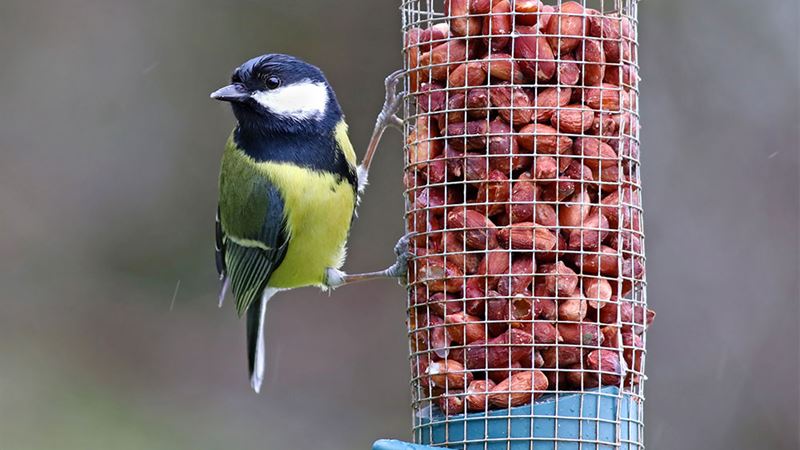
1. Sunflower Seeds: An Excellent Staple for Bird Diets
Sunflower seeds are among the most favored foods for wild birds. They come in various forms, but the most popular types are black oil sunflower seeds and hulled sunflower seeds. Black oil sunflower seeds are prized because of their thin shells, which are easy for most birds to crack open, making them a convenient and high-energy food source. Hulled sunflower seeds, on the other hand, have their shells removed, providing an effortless snack that appeals especially to smaller bird species.
Sunflower seeds are not only nutritious but also affordable and readily available at most pet stores, garden centers, and supermarkets. Their high fat content provides essential energy, particularly during the colder months when birds need extra fuel to stay warm and active. When choosing sunflower seeds, opt for quality products that are free from mold or spoilage to ensure the health of visiting birds.
2. Nyjer Seeds: Tiny but Power-Packed for Small Beaked Birds
Nyjer seeds, also known as thistle seeds, are small, black, and rich in healthy oils and fats. They are a favorite among small-billed birds such as goldfinches, purple finches, house finches, and chickadees. Because of their size and nutrient density, nyjer seeds are a vital part of the diet for these tiny birds, providing essential energy and supporting their vibrant plumage.
Importing these seeds from various regions worldwide, they can be a bit pricey but are worth the investment. To keep the seeds fresh and appealing, store them in airtight containers and clean the feeders regularly to prevent mold growth. Using specialized nyjer seed feeders designed with small ports or mesh screens can make feeding easier for the birds and help reduce seed spillage.
3. Peanuts: Protein and Fats for a Nourished Flock
Most households already have peanuts, making them an accessible and natural choice for bird feeding. Peanuts are packed with fats and proteins, which are essential for wild birds’ energy needs and overall health. Crushing or grating peanuts before placing them in feeders helps birds easily consume this nutrient-rich food.
Offering peanuts in your yard attracts a wide array of bird species, including jays, titmice, nuthatches, woodpeckers, and chickadees. Always use unsalted, roasted, or raw peanuts without shell coatings. Placing them in a sturdy feeder designed for nuts minimizes waste and keeps the food clean and accessible for your feathered visitors.
4. Safflower Seeds: An Unattractive Snack for Squirrels
Safflower seeds are oil-rich and slightly smaller than black oil sunflower seeds, with a tougher shell that many birds find challenging to crack. These seeds are especially preferred by colorful and lively species like finches, chickadees, and cardinals. An additional benefit of safflower seeds is their resistance to squirrels, as the tough shells and bitter taste deter these unwanted pests.
If you want to keep squirrels away from your feeders while still attracting beautiful songbirds, safflower seeds are an ideal choice. They are available in most garden centers and online, and can be used in regular bird feeders or specialized feeders designed for larger seed types.
5. Fruits: Natural Delights for a Wide Range of Birds
Fruits are a natural and appealing food source for many wild bird species. To attract species like orioles and tanagers, try offering sliced oranges, which provide vitamin C and sweet nectar. Other fruits such as grapes, sliced apples, and bananas also draw a diverse array of birds, including robins, thrushes, and waxwings.
Dry fruits like raisins are a convenient option for storage and year-round feeding. Before offering raisins, soak them in warm water to soften, making it easier for birds to eat and digest. Placing fruits on platform feeders or directly on branches encourages a natural foraging experience, replicating natural feeding habits.
Tips for Successful Bird Feeding
- Choose high-quality, fresh seeds and avoid moldy or stale products.
- Clean feeders regularly to prevent disease transmission.
- Use the appropriate feeders for different food types to make feeding easier and cleaner.
- Offer a variety of foods to attract a diverse range of bird species.
- Place feeders in sheltered, safe locations away from predators such as cats.
- Maintain your bird feeding station throughout the year, adjusting food types seasonally.
Creating a Bird-Friendly Habitat
Feeding wild birds is only one aspect of creating a sustainable habitat. Incorporate native plants, shrubs, and trees to provide additional food, shelter, and nesting sites. Ensure clean water sources are available for drinking and bathing, especially during droughts or cold seasons. By combining feeding stations with habitat enrichment, you can enjoy a vibrant ecosystem right in your backyard while helping local bird populations thrive.
Implementing these feeding strategies and providing a welcoming environment can turn your yard into an ideal sanctuary for wild birds, promoting biodiversity and nature observation enjoyment. With patience and care, your outdoor space will become a thriving hub of avian activity, offering endless opportunities for birdwatching and contribution to environmental conservation.