
Comprehensive Guide to Understanding and Treating Under-Eye Bags
This comprehensive guide explores the causes of under-eye bags and provides detailed strategies, natural remedies, skincare tips, and medical options for effective treatment. By understanding lifestyle factors and preventive measures, you can achieve a refreshed and youthful eye area, improving your overall appearance and confidence.
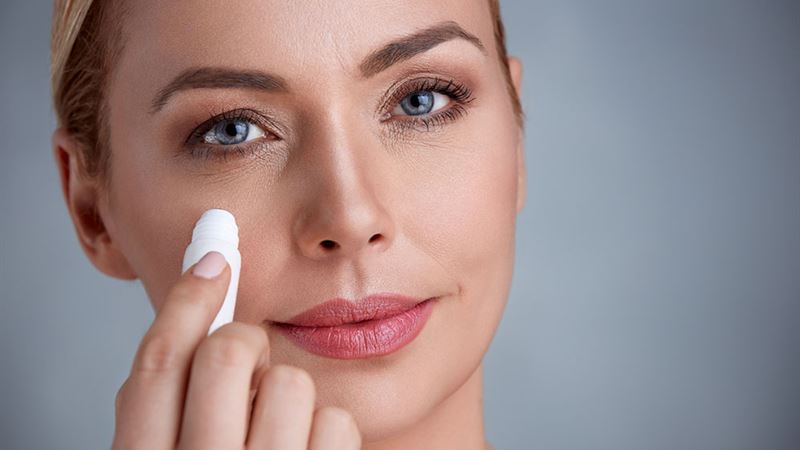
Understanding the causes and exploring effective remedies can significantly improve the appearance of under-eye bags, restoring a refreshed and youthful look. This extensive guide delves into the primary causes, preventive strategies, and a wide array of treatment options, both natural and medical, to address this common issue.
What Causes Under-Eye Bags?
- Fluid Retention: Consuming a high-salt diet causes the body to retain excess water, which often manifests as puffiness and swelling around the eyes. The thin skin around this area makes it more susceptible to visible swelling.
- Genetic Factors: Family history plays a crucial role. If your parents or relatives exhibit under-eye bags or sagging skin, chances are you might experience similar issues due to inherited facial structures and skin qualities.
- Aging Process: As we age, the skin naturally loses collagen and elasticity, leading to sagging and the appearance of bags under the eyes. The fat pads that provide support to the eyes can also shift downward over time.
- Allergies and Sinus Issues: Allergic reactions cause inflammation and swelling of the blood vessels around the eyes, making bags and dark circles more prominent. Seasonal allergies can exacerbate this condition.
- Sleep Deprivation and Poor Lifestyle Habits: Insufficient rest can cause blood vessels in the area to dilate, resulting in puffiness. Poor sleep hygiene and irregular sleep patterns are common culprits.
- Dehydration: Not drinking enough water can make your skin appear dull and accentuate puffiness under the eyes due to water retention and dehydration.
- Smoking and Alcohol Consumption: Smoking damages skin elasticity and causes premature aging, while alcohol leads to dehydration, both contributing to under-eye bags and wrinkles.
- Environmental Exposure: Excessive sun exposure damages collagen fibers and accelerates skin aging, leading to sagging skin and bags beneath the eyes.
Effective Ways to Reduce Under-Eye Bags
- Manage Salt Intake: Limiting salt consumption helps prevent water retention in the body, reducing puffiness around the eyes. Opt for fresh, unprocessed foods and avoid adding extra salt during meals.
- Tackle Allergies: Identifying and managing allergies can significantly decrease swelling. Over-the-counter antihistamines and nasal sprays can alleviate allergic symptoms and reduce eye puffiness.
- Use Saline Irrigation via Neti Pot: Employing a neti pot with saline solution helps cleanse the sinuses, drain mucus, and reduce inflammation, which can contribute to under-eye swelling.
- Optimize Sleep Position and Quality: Sleeping on your back with your head elevated prevents fluid accumulation under the eyes due to gravity. Use extra pillows to keep your head elevated throughout the night, and ensure consistent, quality sleep to support skin health.
- Thorough Make-up Removal: Gently removing all traces of makeup before bedtime prevents irritation and water retention that can cause morning puffiness. Use suitable makeup removers and wash your face with lukewarm water.
- Limit Alcohol Intake and Hydrate Properly: Alcohol dehydrates the skin, worsening puffiness and wrinkles. Drinking plenty of water and maintaining proper hydration levels during the day can mitigate these effects. Applying moisturizers around your eyes also provides a protective barrier.
- Protect Against UV Rays: The skin around the eyes is delicate and vulnerable to sun damage. Wearing broad-spectrum sunscreen, sunglasses, and hats when outdoors shields your skin from ultraviolet rays, preventing sagging and premature aging.
- Quit Smoking: Giving up smoking improves skin elasticity, decreases dryness, and reduces the formation of wrinkles and bags around the eyes. It also benefits overall health and skin appearance.
- Apply Cold Compresses: Chilling cucumber slices, tea bags, or chilled spoons and placing them over closed eyelids constricts blood vessels, reducing swelling and soothing tired eyes.
- Utilize Specialized Eye Creams: Selecting the right eye creams—preferably those containing retinol, peptides, or hyaluronic acid—can improve skin firmness and hydration. Avoid creams with irritants or harsh chemicals.
- Concealers for Immediate Improvement: Using color-matched concealers enhances the appearance of dark circles and hides puffiness. Apply gently with a finger or brush, avoiding rubbing or pulling the skin.
Advanced Treatment Options for Under-Eye Bags
- Medications and Therapies: For bags caused by allergies or inflammation, prescription medications such as antihistamines or corticosteroids can be effective. Cosmetic procedures like laser resurfacing, chemical peels, and microneedling help improve skin texture, tighten sagging skin, and reduce the appearance of bags.
- Surgical Intervention – Blepharoplasty: When lifestyle modifications and non-invasive treatments prove insufficient, surgical correction known as blepharoplasty may be considered. This procedure involves removing excess fat, skin, and muscle from the eyelids. It offers a lasting solution but entails risks such as temporary swelling, dry eyes, or rare serious complications like vision disturbances or eyelid malposition. Consulting a qualified plastic surgeon is essential to determine suitability.
Preventive Tips to Keep Under-Eye Bags at Bay
- Maintain a balanced diet rich in antioxidants and vitamins to support skin health.
- Avoid excessive sun exposure by wearing protective gear and applying sunscreen daily.
- Ensure consistent and quality sleep by establishing a relaxing bedtime routine.
- Stay well-hydrated and limit alcohol and tobacco use.
- Manage allergies promptly and effectively to prevent inflammation-related swelling.
Addressing under-eye bags requires a holistic approach combining lifestyle habits, skincare routines, and medical interventions when necessary. By understanding the underlying causes and adopting targeted remedies, you can significantly diminish under-eye puffiness and restore a bright, youthful appearance.