
Essential Factors to Consider Before Choosing the Right Contact Lenses
Learn the essential factors to consider before choosing contact lenses. This guide covers lens types, proper care, addressing eye conditions, and tailoring options for special needs, ensuring safe and comfortable wear. Make informed decisions for healthier eyes and better vision daily.
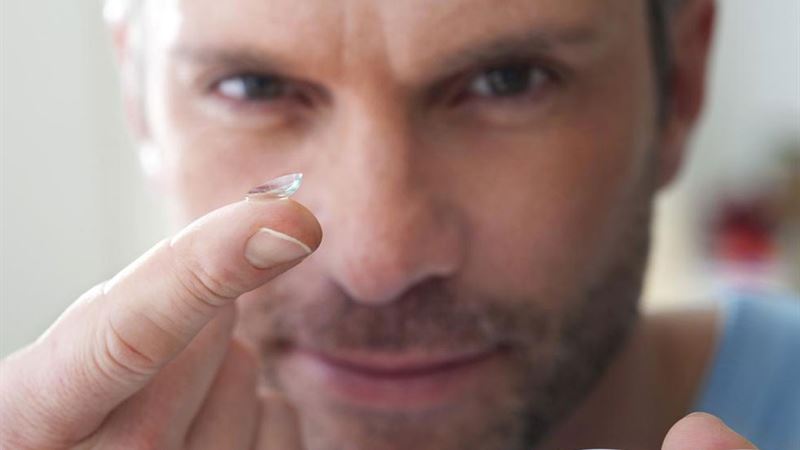
Selecting the perfect contact lenses involves understanding various crucial aspects to ensure comfort, safety, and vision correction. Before making a purchase, it's important to evaluate your specific needs, lifestyle, and health considerations. Whether you need lenses for special occasions or daily use, making an informed choice can significantly enhance your visual experience and eye health. This comprehensive guide will walk you through the key factors to consider, from lens types and maintenance to addressing personal eye conditions.
Purpose of Lens Usage: Special Events vs. Everyday Wear
If you're considering contact lenses for an upcoming event like a prom, wedding, or a weekend party, soft lenses are typically the best choice due to their immediate comfort and ease of use. These lenses are designed for short-term wear and are ideal for sporadic use, providing a comfortable fit without requiring extensive adjustment time.
However, if you're planning to wear lenses regularly—perhaps every day—then more durable options such as rigid gas permeable (RGP) lenses might suit you better. These lenses, though initially requiring some adjustment, offer sharper vision and improved oxygen transmission, making them suitable for long-term or daily wear.
Eye Care and Lens Maintenance
Proper eye care is fundamental when using contact lenses. Maintaining good hygiene is essential to prevent infections and eye complications. Always ensure that your hands are thoroughly washed before handling your lenses. Clean your lenses with suitable solutions prescribed by your eye care professional, and never opt for tap water or homemade cleaners which can harbor bacteria or fungi.
After removing the lenses at the end of the day, clean and store them in a sterile case filled with fresh solution. Regularly replace your lens cases and adhere to the recommended replacement schedule for your lenses. Neglecting proper hygiene can lead to serious eye issues such as conjunctivitis, keratitis, or other infections.
Considering Bifocal or Multifocal Lenses
For individuals above 40 experiencing difficulty focusing on nearby objects, bifocal or multifocal contact lenses provide an effective alternative to reading glasses. These lenses are designed to correct both distance and near vision simultaneously, reducing the need for multiple pairs of glasses. Discuss with your eye care professional whether bifocal lenses are suitable for your vision needs and ensure proper fitting and adaptation.
Addressing Allergies and Eye Conditions
If you suffer from allergies, dry eyes, or irritation, consult your ophthalmologist before choosing contact lenses. Allergic reactions can worsen with certain lens materials, or dry eyes might make lens wear uncomfortable. Your doctor can recommend hypoallergenic lenses or alternative solutions, and may address underlying allergic conditions before you start using contacts.
Additionally, if you experience persistent redness, itching, or dryness, it's crucial to seek professional advice to avoid worsening your condition. Proper diagnosis and treatment can prevent long-term damage and ensure healthy lens wear.
Final Tips for Contact Lens Buyers
While contact lenses are convenient and portable alternatives to glasses, they require responsible handling and maintenance. Carefully evaluate your eye condition, daily activities, and personal preferences before selecting the right type of lens. Regular check-ups with an eye care specialist are essential to monitor your eye health and update your lens prescription as needed.
Remember, choosing the appropriate lenses and maintaining proper hygiene not only ensures clear vision but also protects your eyes from potential infections and complications. Be informed, cautious, and diligent for optimal eye health with your contact lenses.