
Understanding the Implications of Stage 4 Hepatitis C on Liver Health
Discover the critical implications of stage 4 Hepatitis C on liver health, including symptoms, risks, and the importance of early diagnosis. Learn how advanced liver fibrosis leads to cirrhosis, affecting overall health and increasing cancer risk. Understand prevention, treatment options, and when to seek medical attention to safeguard your liver.
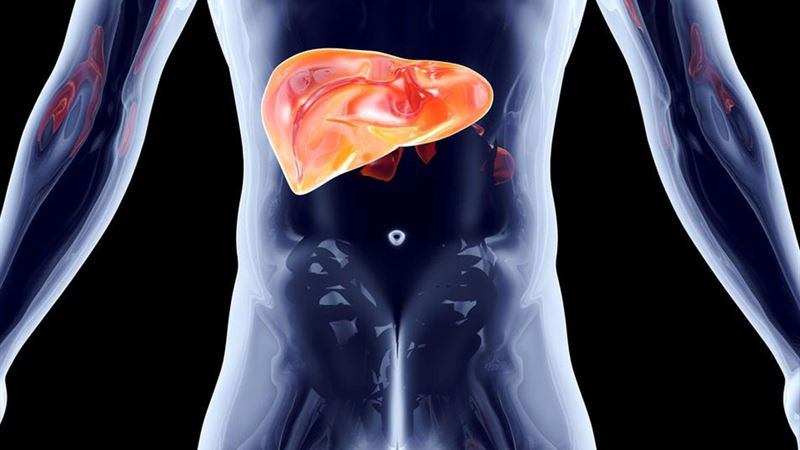
Chronic Hepatitis C infection can lead to significant liver damage over time, culminating in a serious condition known as cirrhosis, or end-stage liver disease, classified as stage 4. At this advanced stage, extensive scarring disrupts the liver's normal architecture and function, posing grave health risks. The process of liver fibrosis involves the accumulation of scar tissue within the liver, which gradually impairs blood flow and inhibits the organ’s capacity to detoxify the blood effectively. This destructive process can progress silently, with symptoms often appearing only when substantial damage has occurred.
Hepatitis C virus (HCV) undergoes a progressive disease course. Initially, after infection, individuals may experience an acute phase, characterized sometimes by mild symptoms or even none at all. If not properly treated, the infection transitions into a chronic phase, with persistent viral replication and ongoing liver injury. Over years or decades, this ongoing damage leads to fibrosis—where healthy liver tissue is replaced with scar tissue—eventually resulting in cirrhosis, classified as stage 4. At this advanced stage, the liver's capacity to function is severely compromised.
In stage 4, fibrosis has advanced to such an extent that normal liver tissue is largely replaced by dense, fibrous scar tissue, which distorts the usual liver architecture. This scarring obstructs blood flow through the liver's vessels, causing increased pressure—known as portal hypertension—which can trigger complications such as variceal bleeding, fluid accumulation, and even the development of liver cancer.
The symptoms characteristic of liver cirrhosis are diverse and often indicative of significant liver impairment, including:
- Unusual bruising and bleeding tendencies
- Persistent confusion or cognitive difficulties
- Intense itchiness, often generalized
- Extreme fatigue and weakness
- Swelling in the legs and abdomen (edema and ascites)
- Nausea and vomiting
- Reduced or loss of appetite
- Jaundice, manifested as yellowing of skin and eyes
- Noticeable weight loss
It's important to recognize that early liver damage might not display obvious symptoms. However, as fibrosis progresses to cirrhosis, signs become more evident. Unfortunately, HCV is highly transmissible through sharing contaminated needles, unprotected sexual contact with an infected person, and from mother to fetus during childbirth. These routes underscore the importance of preventive measures, prompt diagnosis, and effective treatment to halt or slow the progression to stage 4.
If you notice any symptoms associated with liver dysfunction or have risk factors for Hepatitis C, seeking medical advice immediately is critical. Early detection can markedly improve outcomes and help prevent life-threatening complications associated with stage 4 liver disease.