
Understanding the Link Between Hepatitis C and Liver Damage: Causes, Risks, and Prevention
Hepatitis C can silently cause liver damage through scarring, leading to severe conditions like cirrhosis and liver cancer. Early detection, lifestyle changes, and medical treatments are vital to prevent advanced liver failure. Understanding the risks associated with hepatitis C helps in effective management and improved prognosis.
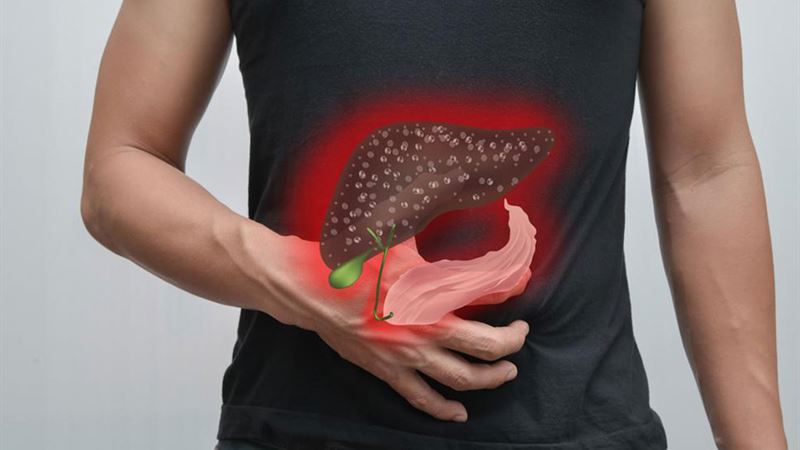
- Hepatitis C is a viral infection that primarily affects the liver and can lead to serious health complications if left untreated. Many individuals infected with the hepatitis C virus (HCV) do not exhibit noticeable symptoms during the early stages, making it a silent threat. The virus can cause long-term liver damage by creating scars in the liver tissue, a condition known as fibrosis. Over time, these scars can accumulate, impairing the liver's ability to function effectively.
- Chronic hepatitis C infection often results in progressive liver scarring, which may initially present no obvious signs. This gradual process can evolve into severe liver conditions such as cirrhosis and hepatic carcinoma. Studies indicate that about 25% of people with long-standing hepatitis C infection develop serious liver complications over a span of two decades. Cirrhosis involves the replacement of healthy liver tissue with scar tissue, significantly impairing liver functions and increasing the risk of developing liver cancer.
- As scar tissue accumulates, the liver attempts to repair itself by generating new cells. However, this regenerative process can sometimes lead to genetic mutations, especially if the liver produces excessive new cells. These mutations may increase the likelihood of tumor formation, potentially progressing to hepatocellular carcinoma, the most common type of liver cancer. The extent of damage and the risk of developing serious complications depend on several factors, including the individual's age, lifestyle habits, and severity of the infection.
- Predicting the risk of severe liver damage involves assessing various factors, as clinical symptoms often do not manifest until liver function is critically compromised. Key risk factors include the amount of alcohol consumption, the duration of HCV infection, and age at the time of infection. When the infection becomes advanced, the liver may fail to perform its vital tasks, leading to end-stage liver disease or liver failure. In such critical cases, a liver transplant may be the only viable treatment option to save the patient's life.
- Regardless of the stage of infection, it is crucial to follow medical advice thoroughly. Regular monitoring, lifestyle modifications, and timely medical interventions can significantly reduce the risk of serious complications. Early diagnosis and appropriate treatment are essential in preventing progression from mild fibrosis to irreversible cirrhosis or liver cancer. Managing hepatitis C effectively requires a comprehensive approach that includes antiviral therapies, avoiding alcohol, maintaining a healthy weight, and regular medical check-ups.