
Comprehensive Guide to Choosing and Using the Perfect Vacuum Cleaner for Your Home
This comprehensive guide provides detailed insights into selecting the right vacuum cleaner and using it effectively. Learn about different types, features, accessories, and maintenance tips to ensure optimal cleaning performance in your home. From choosing between bagged and bagless models to understanding the importance of airflow and attachments, this article covers everything you need for a cleaner, healthier living space. Enhance your cleaning routine with expert advice and stay ahead in maintaining your home with the right equipment and techniques.
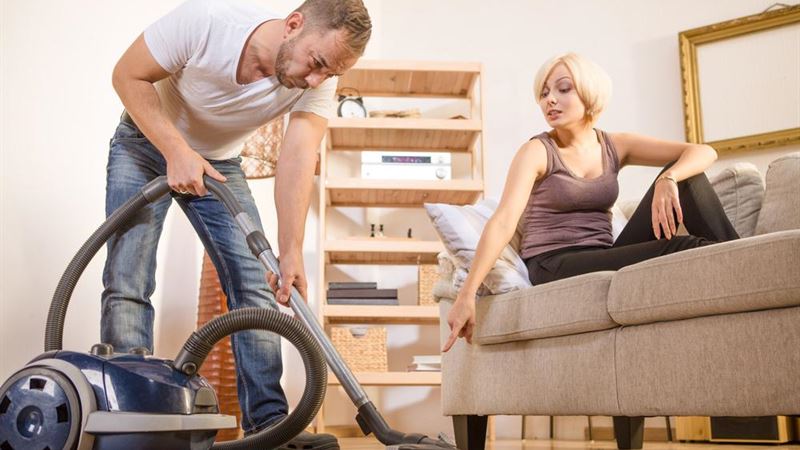
Selecting the ideal vacuum cleaner involves understanding various types, features, and usability factors to ensure effective cleaning. One of the primary considerations is whether to opt for a bagless model or a traditional bagged vacuum. Bagless vacuums eliminate the need for purchasing and replacing bags, which can be a cost-saving and convenient factor. However, they can present challenges during disposal, as dirt containers require regular cleaning and maintenance to prevent loss of suction efficiency. Properly maintaining filters and dust containers is essential for optimal performance. Conversely, vacuum cleaners with bags are easy to handle and maintain, but they might pose issues, especially if small objects are accidentally sucked in, which could clog the system or damage the appliance.
In addition to choosing between bagged and bagless designs, it is crucial to select a model with adequate power and versatile features to tackle various cleaning tasks around your home. Many consumers are caught up in the misconception that a vacuum's amp, wattage, or horsepower alone determines its cleaning effectiveness. While these numbers indicate the motor's power draw, they do not necessarily reflect cleaning performance. The true efficiency depends on airflow, the strength of the suction, overall design, and the array of attachments included. These factors work together to deliver a thorough clean across different surfaces and hard-to-reach areas.
For instance, when cleaning carpets and rugs with thick pile, a motorized power nozzle is highly effective as it agitates and lifts embedded dirt. On the other hand, hard floors, such as wood, tile, or laminate, benefit from a gentle floor brush or a wall brush that can clean without scratching the surface. Narrow areas, like vents, under appliances, or tight corners, are best cleaned using crevice tools. Upholstery and fabric furniture require soft brush attachments to remove dust and pet hair gently. For delicate objects like lampshades, blinds, moldings, or decorative bases, a dusting brush provides a gentle and effective cleaning option.
Proper cleaning technique and regular maintenance are vital for keeping your vacuum cleaner operating efficiently over time. Many homeowners wonder about the optimal frequency of vacuuming and how thoroughly they should run the cleaner over certain areas. Areas with high foot traffic, such as entryways, living rooms, or hallways, should ideally be vacuumed daily to maintain cleanliness and reduce dust accumulation. For less frequently used spaces, vacuuming at least twice a week is advisable. To achieve optimal results, especially in heavily trafficked zones, consider making around seven passes with the vacuum over each area. In contrast, three to four strokes might suffice for lighter or less dirty regions.
Incorporating intelligent features like dirt sensors can significantly enhance cleaning precision by indicating whether an area has been adequately cleaned. This technology is particularly useful for households committed to maintaining dust-free environments or those with allergy sufferers. Regular maintenance, such as replacing belts or filters when needed, ensures your vacuum operates at peak performance. Keep in mind that different surfaces and cleaning conditions might require specific attachments or adjusted techniques. A well-chosen vacuum cleaner, used with proper methods and maintenance routines, can significantly improve indoor air quality and extend the lifespan of your flooring and furniture.