
Comprehensive Guide to Tonneau Covers for Enhanced Vehicle Protection
Explore comprehensive insights into tonneau covers, including types, materials, installation tips, and benefits. Learn how to select the best cover for your truck to improve security, weather protection, and aesthetics. This detailed guide helps truck owners understand various options and make informed purchasing decisions for enhanced cargo management and vehicle protection.
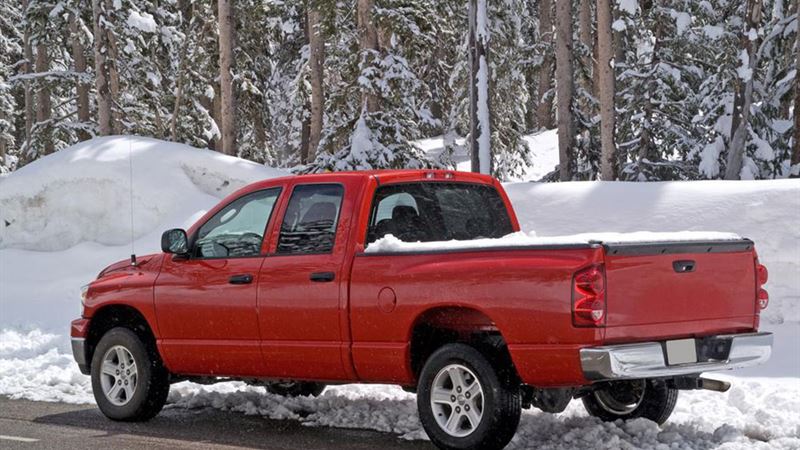
Tonneau covers are essential accessories for truck owners seeking to safeguard their cargo while improving the vehicle's aesthetic appeal. These covers come in various styles and materials, designed to meet different needs ranging from basic protection to high-security features. Understanding the different types of tonneau covers, their installation processes, and their benefits can help you make an informed decision tailored to your specific requirements.
Generally, tonneau covers fall into two broad categories: soft covers and hard covers. Soft tonneau covers are popular for their affordability and ease of use, providing a practical solution for daily use. They are usually made from materials like vinyl or fabric stretched over a framework, often with a fastening system such as snaps or Velcro. They are lightweight and can be easily rolled or folded away, offering quick access to the truck bed.
Hard tonneau covers, on the other hand, are constructed from durable materials such as fiberglass, aluminum, or hard plastic. They offer superior security, enhanced protection from weather elements, and a sleek, polished appearance. These covers are often lockable, providing peace of mind when leaving cargo unattended. Although they are heavier and more complex to install, their robustness makes them ideal for transporting valuable or sensitive items.
Types of Tonneau Covers and Their Features
Among the various styles, roll-up tonneau covers are among the most common and favored by truck owners. Their flexible design allows users to simply roll the cover toward the bulkhead of the truck, enabling quick and easy access to the entire truck bed. They are versatile, straightforward to install, and compatible with most truck models. Over time, roll-up covers have replaced older snap-on covers, which required drilling or adhesives for installation, making the newer options more user-friendly.
Retractable tonneau covers are another innovative solution, retracting seamlessly to the front of the truck bed for unobstructed access. These covers usually feature aluminum or plastic construction, providing a balance between durability and weight. They are typically installed as semi-permanent fixtures and can be locked for enhanced security. While their installation might be more involved, they are highly appreciated for their robust protection and sleek look.
Hard covers come in various configurations, including fold-up, hinged, and flush-mounted styles. Fold-up hard tonneau covers consist of multiple panels that fold back, allowing users to access part or all of the truck bed quickly. Hinged covers are attached at the back or sides with hinges, opening like a traditional car trunk. These covers are often designed to be locked in the open or closed position, providing additional security.
Materials Used in Tonneau Covers and Their Advantages
The choice of material significantly affects the durability, security, and aesthetic appeal of a tonneau cover. Common materials include fiberglass, aluminum, plastic, and heavy-duty vinyl fabrics.
- Fiberglass: Known for its strength and sleek finish, fiberglass tonneau covers are usually custom-painted to match the vehicle's color. They are sturdy, weather-resistant, and provide excellent security. Their installation is typically a permanent, factory-like process, and they often come with locking mechanisms.
- Aluminum: Aluminum covers are lightweight yet durable. They are resistant to corrosion and often come with built-in locks for added security. Some aluminum covers feature gas struts for easy opening and closing, contributing to user convenience.
- Plastic: Hard plastic covers are rugged, weatherproof, and often more affordable. They can be molded into various designs and sizes and are suitable for both temporary and semi-permanent installation.
- Vinyl and Fabric: Soft covers made from vinyl or other fabrics are flexible, affordable, and easy to install. They are typically roll-up or foldable but offer less security compared to hard covers.
Installation and Security Aspects of Tonneau Covers
Installing a tonneau cover can range from straightforward DIY projects to more involved procedures requiring professional assistance. Soft covers with simple buckle or snap fastenings are the easiest to install, often requiring no drilling. Meanwhile, hard covers, especially those made of fiberglass or aluminum, may need precise measurements and professional fitting to ensure proper alignment and security.
In terms of security, hard tonneau covers generally offer better protection against theft and weather conditions. Many come with integrated locks, which can be controlled manually or electronically, providing a secure barrier over the truck bed. Soft covers, while convenient, may offer limited security and are more susceptible to vandalism or theft if not properly locked or reinforced.
Advantages of Using Tonneau Covers
Investing in a suitable tonneau cover offers numerous benefits beyond mere protection. Some of these advantages include:
- Enhanced Security: Protects cargo from theft and vandalism.
- Protection from Elements: Shields cargo from rain, snow, UV rays, and dust.
- Improved Fuel Efficiency: Reduced aerodynamic drag results in better fuel economy.
- Aesthetic Appeal: Gives the truck a sleek, polished look.
- Increased Resale Value: Maintains truck condition and boosts resale potential.
Choosing the Right Tonneau Cover for Your Needs
Selecting the ideal tonneau cover depends on your specific needs, budget, and usage habits. For instance, if you require quick access and ease of installation, a roll-up soft cover might be suitable. However, if you prioritize security and weather resistance, a hard, lockable cover is preferable. Consider factors like material, design, ease of use, and the level of protection offered when making your choice.
Additionally, consulting with professionals and reading customer reviews can provide valuable insights into product quality and installation processes. Proper maintenance, such as cleaning and periodic checks, will ensure your tonneau cover remains functional and attractive for years to come.