
Comprehensive Guide to Choosing the Perfect Truck Bed Cover for Safety and Style
Discover the essential guide to choosing the ideal truck bed cover that combines protection with style. Learn about types, materials, benefits, and tips to select the best cover for your needs, enhancing safety, vehicle value, and overall appearance. Make informed decisions to protect your cargo and upgrade your truck today.
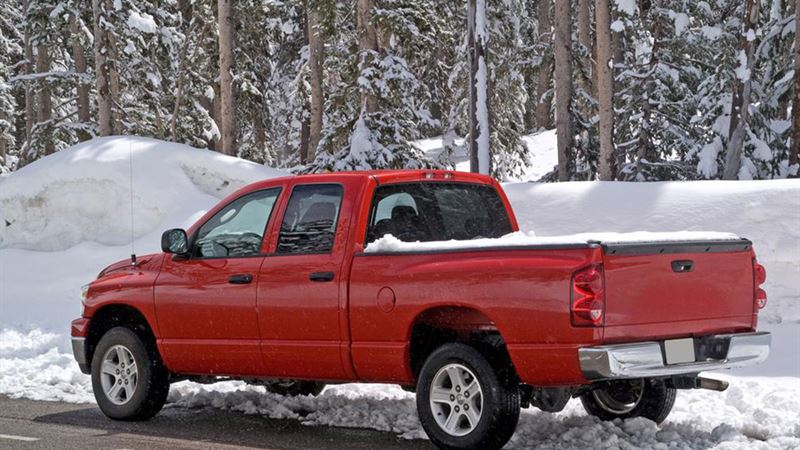
Truck bed covers are essential accessories that serve dual purposes: safeguarding your cargo and enhancing the visual appeal of your vehicle. With the variety of options available today, selecting the right truck bed cover requires careful consideration of several factors to ensure optimal protection, functionality, and aesthetic appeal. In this comprehensive guide, we delve into the complexities of truck bed covers, exploring their types, benefits, materials, and factors to consider before making a purchase.
One of the primary challenges in choosing a suitable truck bed cover is understanding how environmental conditions impact their longevity and performance. Extreme temperatures, for example, can cause certain materials to warp, crack, or loosen over time, diminishing their protective capabilities. Hard covers made from rigid materials may be especially susceptible to such damage if not properly selected or maintained. Moreover, many users need to load taller cargo that exceeds the height of side rails, which can be problematic with rigid covers that obstruct loading or unloading operations.
Beyond protection, truck bed covers significantly contribute to the overall look of your vehicle. A sleek, well-fitted cover can elevate your truck's style, giving it a more polished and sophisticated appearance. For vehicle owners who take pride in their trucks' aesthetics, choosing a cover that complements the overall design is essential. Additionally, investing in a high-quality truck bed cover is not only about appearance and cargo safety — it is also a strategic move to increase your vehicle’s resale value. A well-maintained truck with a suitable cover often fetches a higher price in secondary markets, making it a cost-effective upgrade over time.
When it comes to resale value, a truck equipped with a professionally chosen and properly maintained bed cover stands out to prospective buyers. The added security and protection for cargo owners provide peace of mind and showcase the vehicle’s well-kept condition. Furthermore, the right cover can extend the lifespan of the truck bed itself by shielding it from elements like rain, snow, and UV radiation that cause rust and wear. This preservation translates into fewer repair costs and longer vehicle life, ultimately making it a smart investment.
For practical use, truck beds are versatile spaces accommodating various items such as construction materials, furniture, tools, and technical equipment. The type of cover selected should align with your specific needs, whether you require easy access, maximum security, or a combination of both. For example, contractors might prefer retractable covers for quick loading and unloading, while outdoor enthusiasts might opt for hard shell covers that provide superior protection against harsh weather. Also, consideration should be given to how the cover integrates with other truck accessories to ensure seamless functionality.
Cost is a vital factor in the decision-making process, but it should never be the sole criterion. While budget constraints are valid, prioritizing function and durability ensures the long-term usefulness of your investment. The ideal truck bed cover should strike a balance between affordability, robustness, ease of installation, and maintenance. Features like lock mechanisms, weather resistance, ease of removal, and compatibility with additional accessories should all be evaluated to make an informed choice.
When selecting a truck bed cover, it is also prudent to assess the material composition. Various materials—such as aluminum, fiberglass, polycarbonate, or vinyl—offer different benefits and drawbacks. Aluminum covers are lightweight, durable, and resistant to corrosion. Fiberglass provides a sleek appearance, while polycarbonate covers are highly impact-resistant and transparent, useful for securing valuable items while still allowing visibility. Vinyl covers tend to be more affordable and flexible but may require more maintenance to keep them in pristine condition.
Installation practicality should also influence your selection. Some covers are designed for quick and straightforward installation without special tools, making them ideal for temporary or seasonal use. Others are more permanent fixtures that require professional installation. Considerations such as whether the cover is lockable, how it affects access to the truck bed, and compatibility with other features like bed liners or racks are also important.
Maintaining your truck bed cover is essential to ensure its longevity. Regular cleaning, inspecting for damages, lubricating moving parts, and applying protective coatings can extend the life of your cover and keep it functioning optimally. Remember, a well-maintained cover not only protects your cargo but also preserves the overall appearance and value of your vehicle.
In conclusion, choosing the right truck bed cover involves a careful assessment of your specific needs, environmental conditions, aesthetic preferences, and budget. By understanding the various types and their functionalities, you can select a cover that offers the best balance of protection, style, and practicality. Whether you prioritize security, weather resistance, or improved look, the right cover can transform your truck from a simple utility vehicle into a sophisticated and highly functional asset.