
Comprehensive Guide to Selecting the Perfect Television Screen for Your Home
This comprehensive guide helps you understand key factors like size, resolution, refresh rate, and additional features necessary for choosing the ideal television. Equipped with expert advice, it ensures your next TV purchase enhances your home entertainment experience with clarity, smooth motion, and smart capabilities suited to your lifestyle and budget.
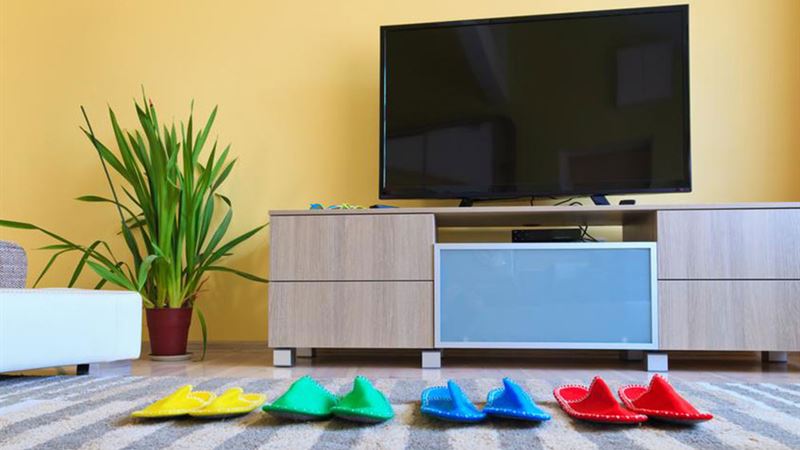
Choosing the right television involves more than just picking a size. To make an informed decision, several key factors need to be taken into account. This guide provides an in-depth look at the essential aspects of television screens, including size considerations, resolution options, refresh rates, and other advanced features, helping you select a TV that perfectly fits your space, budget, and viewing preferences.
Assessing Your Space Before Choosing a Screen Size
The first step in selecting a television is understanding the space where it will be placed. Measure the designated area accurately to determine the maximum screen size that will comfortably fit without overwhelming your room’s proportions. Keep in mind that a TV that is too large can dominate the space and diminish viewing comfort, while an undersized screen can be disappointing for immersive viewing experiences.
Consider the distance between your seating area and the intended TV position. The ideal viewing distance depends on the size and resolution of the screen, which directly impacts your picture quality experience. A general rule is to sit at a distance that is about 1.5 to 2.5 times the diagonal length of the television for HD screens, and even closer for 4K Ultra HD models, which allow for more detailed images without causing strain.
Understanding Screen Resolutions and Their Impact on Image Quality
One of the most critical attributes of a modern television is its resolution. Resolution determines the clarity and detail of the picture presented on the screen. It is measured by the number of pixels displayed horizontally and vertically, which together define how sharp and lifelike the image appears.
Historically, the minimum standard was 720p, which provides a decent HD experience. However, most contemporary televisions now feature at least 1080p resolution, also known as Full HD, offering enhanced sharpness and color depth suitable for most viewing environments. For those seeking unparalleled detail, 4K Ultra HD TVs are prevalent and have four times as many pixels as 1080p models. This increased pixel density allows for crisper images and more detailed visuals, especially noticeable on larger screens.
In recent years, 8K TVs have entered the market, promising even higher resolution standards. While content availability for 8K is limited currently, these models are ideal for enthusiasts wanting the bleeding edge in display technology and future-proofing their home entertainment systems.
The Significance of Refresh Rate in Viewing Experience
Another vital feature to consider when purchasing a television is the refresh rate. This metric reflects how many times the image on the screen updates per second, measured in hertz (Hz). A higher refresh rate results in smoother motion depiction, which significantly enhances experiences during fast-paced visuals like sports, action movies, and gaming scenarios.
Most standard TVs come with a refresh rate of 60Hz, suitable for everyday viewing. However, for more fluid motion handling, opt for models with 120Hz, 240Hz, or higher refresh rates. These models can display motion more seamlessly and with less blur, providing a more enjoyable and immersive experience.
Be cautious about terms such as ‘effective refresh rate’ or ‘motion rate,’ as they may be marketing terms that do not represent the actual refresh rate. Often, these figures are double or even quadruple the real refresh rate due to various video processing techniques. It’s advisable to verify the actual refresh rate for accurate comparisons.
Additional Features to Enhance Your Viewing Experience
Beyond size, resolution, and refresh rate, modern TVs come equipped with various features that can elevate your entertainment setup. Consider aspects such as HDR (High Dynamic Range), which enhances contrast and color accuracy, providing more vivid and lifelike images. Smart TV capabilities allow access to streaming services, internet browsing, and compatibility with voice assistants, making your TV a central hub for home entertainment.
Other features include anti-reflective screens, wide viewing angles, built-in speakers, and connectivity options like HDMI, USB, Bluetooth, and Wi-Fi. With so many options available, it is essential to prioritize features that align with your viewing habits and lifestyle.
Making an Informed Purchase Decision
Before heading to the store or browsing online, do thorough research on various brands and models. Read reviews and compare specifications to understand the differences across options. Don’t hesitate to ask sales representatives for clarification about technical terms or features to ensure you get the best value for your money.
Consider your budget carefully, balancing initial costs with the long-term benefits of higher-end features. Remember, the goal is to find a television that offers great picture quality, suits your space, and enhances your overall entertainment experience.
Summary
Choosing the perfect television requires a comprehensive understanding of various display features. From assessing space and choosing the right size, understanding resolution options like 1080p, 4K, and beyond, to considering refresh rates and additional features, each factor plays a crucial role in enhancing your viewing pleasure. By doing your homework and exploring different models and brands, you can select a TV that not only fits your room and budget but also provides years of enjoyable entertainment.