
Comprehensive Guide to Differentiating Clock Repair from Restoration: Techniques, Processes, and Expert Insights
This comprehensive guide explores the key differences between clock repair and restoration, emphasizing techniques, processes, and what to consider when maintaining antique and modern clocks. It offers expert insights on choosing skilled horologists to preserve your timepieces' history, functionality, and value. Ideal for collectors and enthusiasts seeking to understand the nuances of clock maintenance, this article highlights the importance of careful restoration to retain authenticity and beauty.
Clock repair
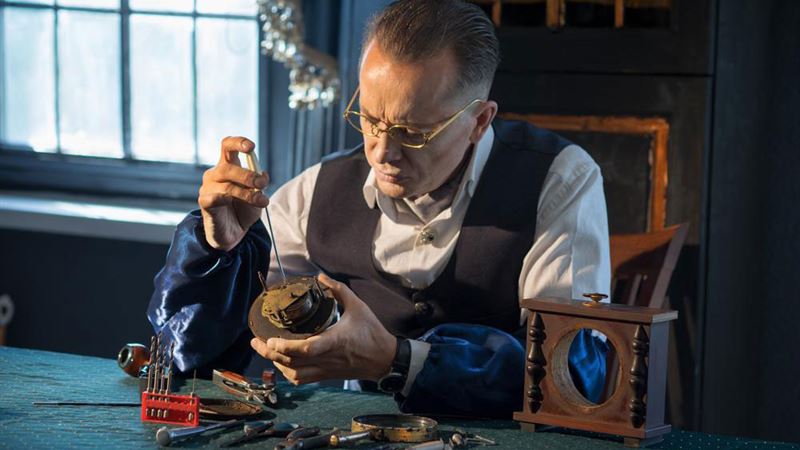
Clock repair typically involves a series of methodical procedures aimed at restoring a timepiece to functional condition. This process encompasses disassembling the clock to access its internal components, performing thorough inspections to identify issues, cleaning parts meticulously, and replacing worn or damaged elements with suitable substitutes. The entire operation requires a skilled technician with a solid understanding of clock mechanisms and mechanics. Once repairs are completed, reassembly and rigorous testing ensure the clock operates smoothly and accurately. Regular clock repair is necessary for maintaining the functional lifespan of mechanical clocks, whether vintage or modern, ensuring they continue to keep precise time for years ahead.
Clock restoration
Restoration is a more intricate and delicate process that aims to return a clock to its original state, preserving its historical and aesthetic value. Experienced horologists undertake restoration work that often requires years of specialized training and hands-on experience. Unlike standard repairs, restoration emphasizes conserving as much of the original materials and craftsmanship as possible. This process often involves meticulous work to preserve or replicate original components, often through techniques like re-gilding, dial refurbishment, and structural repairs that match the clock’s period style. The goal is to maintain the clock's authenticity while restoring its functionality, appearance, and value without extensive fabrication or replacement of parts, which could diminish its historic integrity.
- Specialized antique clock restoration
Antique clocks demand a particularly careful and detailed approach because of their age, rarity, and sentimental value. These projects often involve restoring wall clocks, mantelpieces, and floor clocks, each with unique features and complexities. When restoring antique clocks, experts must handle delicate mechanisms and intricate decorative elements, often requiring custom fabrication of missing parts or repairs that adhere to the original design. The process includes disassembly, cleaning, re-gilding, dial restoration, vintage carpentry, wheel cutting, lacquering, and precise re-assembly. Because antique clocks are cherished heirlooms, restoration must be executed with utmost accuracy and respect for the clock’s historical integrity. This meticulous approach ensures that the restored clock retains its original charm, craftsmanship, and value for future generations.
Before choosing a clock repair or restoration service, thorough research is crucial. Verifying the credentials of horologists and understanding their expertise in antique or modern clocks can prevent unnecessary damage or loss of value. With increasing online resources, potential restorers and repair professionals offer detailed descriptions of their services. Make sure to select experienced specialists who understand the nuances of vintage and antique timepieces, and ask for references or portfolios of previous work to ensure a high standard of craftsmanship.
In conclusion, while both clock repair and restoration aim to prolong the life and beauty of timepieces, they differ significantly in scope, complexity, and intent. Repair focuses on fixing broken or malfunctioning parts, whereas restoration preserves the clock's original features and history. Whether you need a quick fix or a meticulous revival of an heirloom, understanding these differences is key to making informed decisions and ensuring your treasured clock remains a beautiful and functional piece for generations to come.
For anyone passionate about horology or owning valuable vintage clocks, recognizing when to repair or restore can make all the difference. Proper maintenance not only enhances the clock’s appearance but also preserves its historical significance and inherent value. Consulting with qualified horologists and restoration experts is highly recommended to achieve the desired outcome and maintain the clock’s integrity and beauty over time.