
Comprehensive Guide to Cremation Costs Across Australia
This detailed guide provides an in-depth overview of cremation costs across Australia, covering essential fees, optional services, and budget-friendly options. It helps families plan effectively by understanding the factors influencing costs, geographic variations, and ways to save. Whether considering public or private cremation options, pre-paid plans, or charitable assistance, this comprehensive resource aims to empower families with the knowledge needed for respectful and affordable farewells.
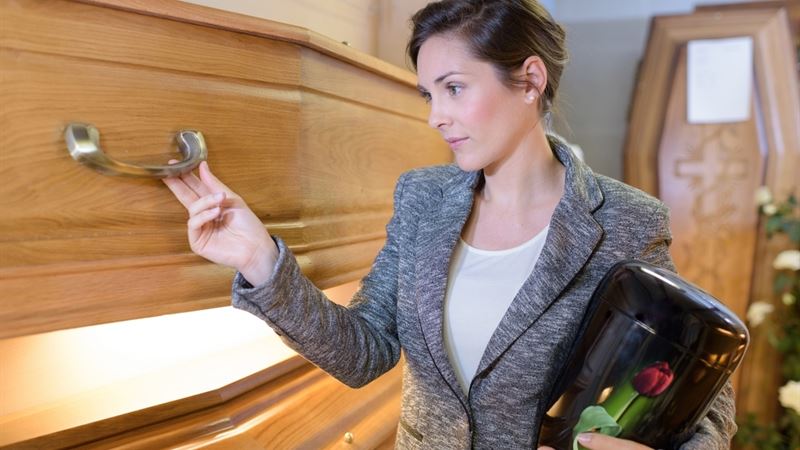
Understanding the expenses associated with cremation in Australia can help families plan appropriately during sensitive times. Cremation costs encompass various components, including essential services, administrative fees, and additional options based on personal preferences. From basic procedures to elaborate memorials, each element influences the total expenditure. This extensive guide breaks down all relevant costs and offers insights into budget-friendly alternatives, ensuring families are well-informed about what to expect financially when choosing cremation services.
One of the foundational costs involves the basic service fee. This encompasses administrative work such as obtaining necessary permits, coordinating logistics with the crematorium, and managing paperwork. Prices for these services typically fluctuate based on the provider and location, with average rates spanning from AUD 2,000 to AUD 5,000. This fee ensures that all essential procedures are handled smoothly and professionally, minimizing stress during a difficult time.
The cremation process itself incurs a specific fee. This fee covers the actual cremation procedure, which requires specialized equipment and facilities operated by trained personnel. In Australia, cremation charges generally range between AUD 600 and AUD 1,500, with variations depending on the crematorium's location and its level of amenities. Urban centers with higher operational costs usually have prices towards the upper end of the spectrum, whereas regional areas might offer more economical options.
Additional services like embalming and viewing arrangements are optional but popular choices among families wishing to hold a wake or viewing. Embalming, though not mandatory for cremation, can enhance the presentation of the body for viewing purposes. The cost for embalming services typically falls between AUD 500 and AUD 800. Incorporating viewing services, including the use of a chapel or viewing room, adds another AUD 500 to AUD 1,200 to the overall bill. These services provide comfort and closure for loved ones but should be weighed against personal preferences and budget considerations.
Selection of caskets or containers is a vital aspect of the cremation process. Since cremation containers are combustible, they come in various quality levels and designs. Basic cremation containers, made from simple materials, are the most affordable, starting at around AUD 200. More elaborate options, such as intricately designed caskets, can cost anywhere from AUD 1,000 to AUD 4,000 or higher, depending on material selection and craftsmanship. Families wanting a personalized touch often opt for finely crafted or customized caskets, which are more expensive but offer a meaningful tribute.
Post-cremation, many families choose to purchase urns or keepsake items to preserve a portion of the remains. Urns vary significantly in price based on the material, size, and decorative features. Budget-friendly options start around AUD 50, while high-end, handcrafted urns can cost several thousand dollars. For those seeking a more personal memorial, keepsake jewelry—such as lockets containing a small amount of ashes—are popular choices. These can range from AUD 100 to AUD 500 or more, serving as a cherished memory of loved ones.
Transportation of the deceased is another important factor in total cost calculations. Moving the body from the place of death to the funeral home or crematorium often incurs additional charges. Standard transportation fees typically range from AUD 200 to AUD 600; larger distances or special requirements may push costs even higher. It’s important to confirm transportation arrangements and costs beforehand to avoid surprises.
Many families opt to host memorial services either before or after the cremation. These events can include a variety of expenses like venue hire, floral arrangements, catering, and professional services such as celebrants or officiants. Depending on the scale and location, hosting a memorial can add between AUD 1,000 and AUD 5,000 to the overall expenses. Some families prefer intimate gatherings, while others choose more elaborate ceremonies, each impacting the budget accordingly.
Legal documentation is an essential administrative step in the cremation process. Securing death certificates, permits, and other official paperwork involves minor fees—typically between AUD 50 and AUD 200—but these are crucial for legal compliance and record-keeping. Ensuring all paperwork is properly handled prevents delays and additional complications during the final arrangements.
Cost variations are often influenced by geographic location within Australia. Major cities generally have higher charges due to increased operational costs and regulatory differences. For example, in Sydney, cremation expenses tend to fall between AUD 5,000 and AUD 8,000. Melbourne’s prices are similar, averaging AUD 4,500 to AUD 7,500, while Brisbane’s costs range from AUD 4,000 to AUD 7,000. Perth and Adelaide have comparable ranges, whereas smaller cities like Hobart or Darwin may offer slightly lower prices, around AUD 3,500 to AUD 6,800. These differences highlight the importance of researching local providers to find the most suitable and affordable options.
Budget-conscious families can explore ways to lower cremation costs further. For instance, direct cremation offers a streamlined, no-frills approach, eliminating the need for additional services like viewing or elaborate memorials. This option usually costs between AUD 1,500 and AUD 3,000, making it a popular choice for those prioritizing affordability.
Prepaid funeral plans are another effective method for managing costs. These plans allow individuals to pay in advance and lock in today’s prices, providing financial peace of mind and avoiding future price hikes. Additionally, prepaid plans can alleviate emotional burdens on families by simplifying decision-making during a difficult period.
Choosing between public and private crematoria can also impact costs. Public crematoria, often subsidized by government programs, generally offer lower prices and more straightforward procedures. Conversely, private facilities might provide more personalized services but at a higher cost. Carefully weighing the benefits and expenses of each can help families make informed choices aligned with their budget and preferences.
Some families may also find assistance through charitable organizations that offer financial aid for cremation services. Eligibility criteria vary, and assistance levels depend on financial hardship assessments. Investigating these options can help ensure that final arrangements are respectful and affordable without causing unnecessary financial strain.
Understanding the full scope of cremation expenses in Australia enables families to prepare effectively. By weighing different service options, geographic considerations, and financial planning strategies, individuals can ensure their loved ones receive dignified final arrangements within their means. This comprehensive guide aims to serve as a valuable resource during one of life's most challenging times.