
Comprehensive Guide to Types of Cremation Services and Their Associated Costs
This comprehensive guide explores different types of cremation services, detailing their costs, benefits, and considerations to help families make informed decisions during difficult times. Learn about traditional and direct cremation options, associated expenses, and why cremation is becoming increasingly popular worldwide due to its affordability and flexibility.
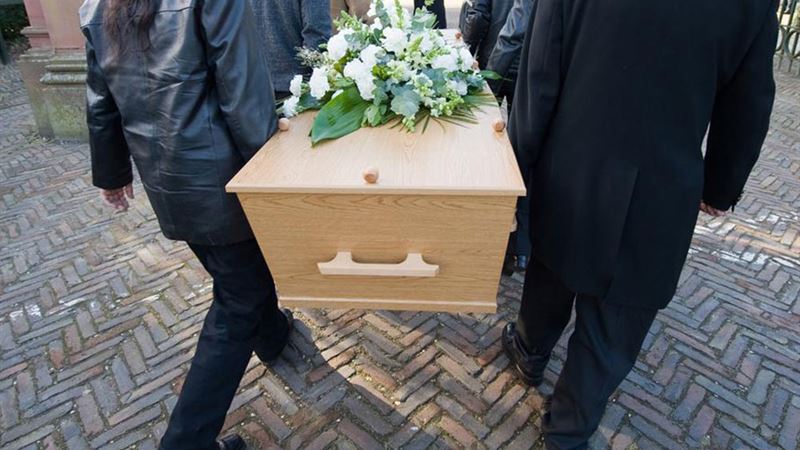
Understanding the various options available for cremation and their pricing can help families make informed decisions during difficult times. Cremation offers a range of services, from simple direct cremation to elaborate memorial ceremonies. To minimize expenses, many choose to rent caskets instead of purchasing them. Typically, a visit to a funeral home or a church is organized before the cremation process. The memorial service can be held either after or before the cremation, depending on the family's preferences. In a traditional cremation with a memorial service, the remains are present, and ceremonies are conducted accordingly. Conversely, direct cremation involves no formal service prior to cremation, with the ashes returned directly to the family, making it the most economical option available.
Let's delve into the specifics of cremation costs and what families might expect to pay. Funding a cremation involves several key expenses, each contributing to the total cost. The basic service fee includes charges for the funeral home and staff assistance. Transportation costs for transferring the body to the funeral facility generally amount to around $285. The cremation container, a necessary component, often starts at $100, but options for renting a casket are also available, typically costing about $1000. The cremation fee itself generally begins at $300, covering the actual cremation process. Post-cremation, families typically receive the remains in an urn, which can cost approximately $250. Additional expenses may include municipal registration fees and obtaining a certificate from the Coroner, which are required by law in many jurisdictions.
Now, let's compare the benefits of choosing cremation over traditional burial. Cost-efficiency stands out as one of the primary advantages, as cremation expenses are generally lower than burial costs. For instance, a burial involves significant expenses such as a headstone costing around $1500, a metal casket approximately $2395, and a burial plot roughly $1000, leading to a total well over several thousand dollars. Cremation allows families to scatter ashes in meaningful locations, fulfilling last wishes that are often prohibited with burial. Additionally, cremated remains can be shared among relatives, even if they live in different places, providing flexibility and convenience. Unlike burial, cremation does not require land, preventing environmental disturbance. Over the past few decades, cremation has gained popularity, with the national cremation rate increasing markedly — from about 9.7% in the 1980s to over 50% today — reflecting changing preferences and cost considerations.
Choosing between cremation options depends on personal, cultural, and financial factors. Traditional cremation services often include a viewing, funeral ceremony, and subsequent cremation, offering a comprehensive experience. Alternatively, direct cremation is a more streamlined and less costly process, eliminating the need for a viewing or ceremony before the cremation. There are also options for holding memorial services after the cremation, which provides flexibility to family and friends. When planning a cremation, it's important to consider all potential costs—including transportation, containers, permits, and urns—to avoid surprises. Many families find cremation to be a dignified, environmentally-friendly, and economical choice, especially as its popularity continues to grow worldwide. Additionally, advancements in cremation technology and more affordable services make it accessible to a broader demographic. Understanding these choices can help families fulfill their loved ones’ final wishes while managing expenses effectively.
In summary, cremation offers a broad spectrum of services tailored to different preferences and budgets. Whether opting for a simple direct cremation or a full memorial service, knowing the associated costs and benefits empowers families during a challenging time. As societal views shift and costs rise with traditional burial options, the trend toward cremation is expected to rise further. By analyzing the various types and their respective prices, families can make choices aligned with their values and financial situations, ensuring respectful and meaningful farewells for their loved ones.