
Comprehensive Guide to Types of Safety and Security Signage
This extensive guide explores the various types of safety and security signs, emphasizing their importance in preventing accidents, guiding evacuations, and ensuring compliance. It covers prohibition, emergency, danger, notice, and warning signs, offering best practices for effective signage implementation in workplaces and public areas for optimal safety and communication.
Safety and security signs are essential components of any environment, whether industrial, commercial, or public spaces. They serve as visual cues designed to inform, warn, guide, and protect individuals from potential hazards or unsafe conditions. Proper signage not only enhances safety protocols but also complies with legal safety standards and reduces the risk of accidents and injuries. This comprehensive guide explores the various types of safety symbols, their purposes, and best practices for use in different settings.
Among the most recognizable safety signs are prohibition signs, which indicate actions that are forbidden or unsafe. For example, the classic “No Smoking” sign is a widely recognized indication to prevent fire hazards by prohibiting smoking in certain areas. These signs are typically marked with a red circle and a slash through the symbol or text, making their message immediately apparent. Prohibition signs are critical in environments where fire safety, chemical safety, or health regulations are enforced strictly.
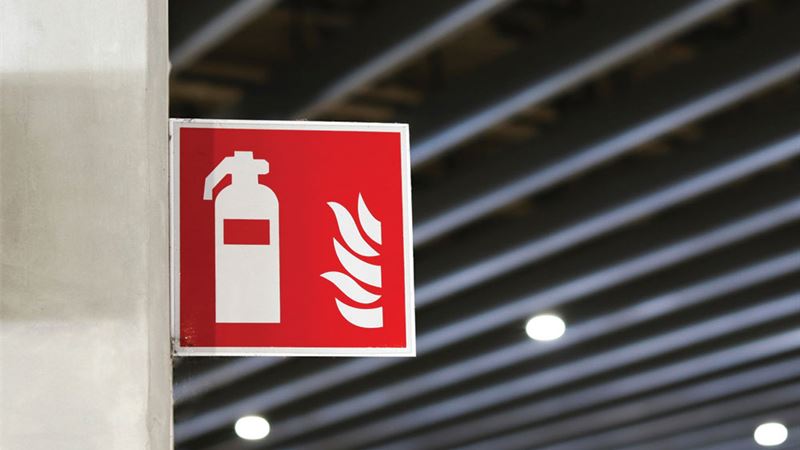
Emergency signs are vital in helping individuals quickly identify and access essential safety features during emergencies. These include signage pointing to emergency exits, escape routes, first aid stations, fire extinguishers, and alarm points. In high-stress situations like fires or natural disasters, clear and visible emergency signs facilitate smooth evacuation and help prevent chaos or confusion. Proper placement and maintenance of these signs are crucial to ensure they remain highly visible and understandable at all times, especially in low-light or smoky conditions.
Danger signs serve as warnings about potentially life-threatening conditions or hazardous areas within workplaces or public spaces. They alert individuals to exercise caution and follow strict safety measures to prevent accidents. Common examples include signs indicating high voltage, toxic substances, or machinery with moving parts. Prominent and universally recognizable symbols, coupled with straightforward messages, are essential for these signs to be effective.
Signs such as “Restricted Area” and “High Voltage” are specifically designed to prevent unauthorized access and safeguard people from serious hazards. These signs typically employ bold colors like red or yellow and clear text to differentiate them from other signage and to attract attention swiftly. Implementing these signs helps organizations enforce safety policies effectively and minimizes the possibility of accidental exposure to danger.
Notice signs play a different but equally important role in workplace and public safety. Usually designed in blue with white text or symbols, these signs inform individuals about policies, procedures, or specific behaviors required in a given environment. They might include instructions such as “Wear Safety Glasses,” “No Unauthorized Entry,” or “Security Check in Progress.” Properly displayed, notice signs contribute to a safer environment by promoting awareness and adherence to safety protocols.
Warning signs, on the other hand, alert individuals to hazards that may not be immediately life-threatening but still pose significant health or safety risks. Typically characterized by yellow backgrounds and hazard symbols, warnings may indicate risks like electrical shocks, slippery floors, or exposure to hazardous chemicals. These signs are crucial at construction sites, electrical panels, or industrial facilities, where preventive measures can significantly reduce accident rates. Their visual design aims to catch attention quickly and communicate essential precautions effectively.
For organizations aiming to enhance safety communication, customized safety and security signage can be created to suit specific needs. These tailored signs can incorporate branding, logos, or specific language to ensure clarity and effectiveness. When designing and installing safety signs, it’s essential to keep messages concise, use universally recognized symbols, and position signs at eye level or near hazard points for maximum visibility. Training employees to understand symbols and messages further amplifies the effectiveness of safety signage, fostering a culture of safety and vigilance across the organization.
Overall, the strategic placement and proper understanding of safety and security signs are fundamental in fostering a safe environment. Regular inspections, updates, and training ensure these signs remain effective over time. Remember, safety signage is not just about compliance but also about caring for the well-being of everyone in the space. Investing in quality signage and ensuring its correct placement can prevent accidents, save lives, and create a safer, more organized environment for all.