
Comprehensive Guide to Types and Uses of Safety Caution Tape in Various Industries
Discover the various types of caution tape, their specific uses, and the significance of color coding in safety management. Learn how to select the appropriate materials and effectively deploy caution tape across industries like construction, emergency response, and crime scene management to enhance safety and prevent accidents.
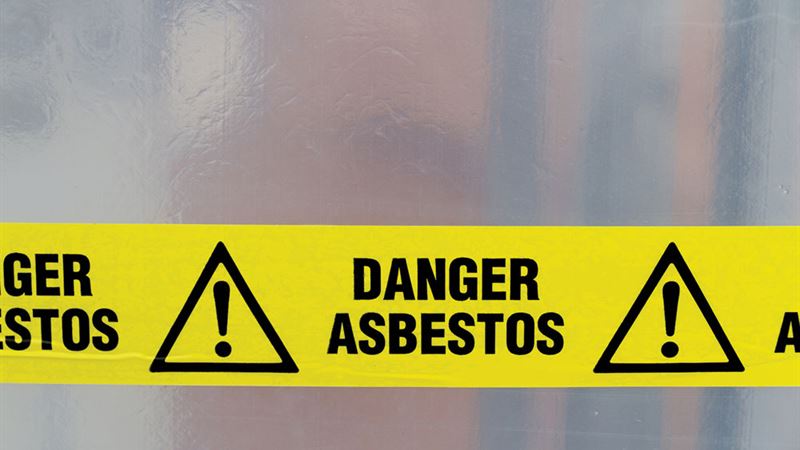
Caution tape is an essential safety tool used across multiple industries to prevent accidents, restrict access to hazardous areas, and ensure clear communication of safety warnings. Its diversity in types, colors, and materials makes it adaptable for different environments, from construction sites to crime scenes. Understanding the various categories of caution tape, their specific uses, and the meanings behind their color codes is vital for safety compliance and effective hazard management.
In this comprehensive guide, we will explore the different types of caution tapes, their applications, and the significance of their colors. Whether you are managing a construction project, responding to emergency situations, or maintaining safety compliance in a factory, knowing the right type of caution tape to use can make a significant difference in preventing accidents and ensuring safety.
Types of Caution Tape and Their Specific Uses
- Firefighter Tape: Firefighter or fire scene tape is used primarily after a fire has occurred within a building or area. Its primary function is to cordon off sections that are still dangerous due to residual heat, structural instability, or potential flare-ups. This type of tape acts as a barrier, preventing unauthorized access, and helps emergency responders manage the scene effectively. Typically, firefighter tape is bright red or marked with clear warnings for high visibility in smoky or chaotic environments.
- Construction Caution Tape: This type of tape is widely deployed on ongoing construction sites. Its main purpose is to warn pedestrians and workers of potential hazards, such as falling debris, open trenches, or unstable scaffolding. Construction caution tape often comes in vibrant colors like yellow or orange, which stand out against typical construction backgrounds, alerting everyone to proceed with caution.
- Police or Crime Scene Tape: Used by law enforcement agencies, police tape marks off areas involved in investigations. It prevents contamination of evidence and restricts unauthorized access to sensitive zones. Usually, police tape is a distinctive color, often yellow or red, and features printed warnings such as "DO NOT ENTER". Its presence indicates an active police investigation or crime scene.
Color Coding and Their Interpretations in Caution Tape
The color schemes used in caution tapes are highly significant as they convey risk levels and specific warnings quickly. Here are some key color codes and their typical uses:
- Red and White: Signify fire hazards, danger zones, or areas where there has been a recent fire incident. The bright contrast ensures high visibility even at a distance.
- Blue and White: Often indicate areas where machinery is damaged or decommissioned. It can also be used to denote water or other non-hazardous zones that require caution.
- Black and White: Used for general restriction signage, housekeeping rules, or areas that need to be kept clean or clear. It’s common in settings that require clear, unobtrusive warnings.
- Black and Yellow: The classic combination for marking physically dangerous zones such as open pits, electrical hazards, or pathways that are unsafe for entry. This color pattern grabs attention immediately.
- Magenta and Yellow: Primarily employed to mark radiation hazards or areas with radioactive material. This ensures quick identification and safe clearance.
- Orange and White: Utilized in traffic control situations, such as road closures, lane restrictions, or quick directional changes during construction or emergencies.
- Green and White: Indicate safety zones, first aid stations, or areas designated for medical emergencies. It signifies safe passage or relief from danger.
Material Choices for Caution Tapes
The durability and effectiveness of caution tape directly depend on the material used. Choosing the right material depends on where and how the tape will be used—indoors, outdoors, or in extreme conditions. Here are some common materials:
- High Visibility Plastic Tapes: These are made from vibrant, reflective plastic material ideal for brightly lit spaces and outdoor environments where visibility is crucial.
- Biodegradable Tapes: Environmentally friendly options made from biodegradable materials. They are non-toxic and suitable for use in eco-sensitive areas or projects prioritizing sustainability.
- Repulpable Tapes: Made from recycled paper or pulp, these tapes are designed to break down naturally, reducing plastic waste. Ideal for temporary restrictions that require eco-conscious solutions.
- Woven Tapes: Designed for rugged use, woven tapes offer enhanced strength and durability. They are suitable for heavy-duty environments like construction sites where tapes must withstand tension and abrasion.
- Reflective Tapes: Embedded with reflective materials, these tapes improve visibility during nighttime or low-light conditions—perfect for roadworks, traffic management, or outdoor events.
Choosing the Right Caution Tape for Your Needs
When selecting caution tape, consider several factors to ensure maximum safety and effectiveness:
- Purpose and Hazard Type: Determine whether the tape is for fire safety, construction warnings, crime scene management, or general restriction.
- Environmental Conditions: For outdoor use, opt for weather-resistant, UV-stable, and reflective materials. Indoor settings may require less durable but visually prominent tapes.
- Color Significance: Follow established safety standards and industry guidelines regarding color codes to avoid confusion.
- Material Durability: Use woven or reinforced tapes in high-traffic or demanding environments to prevent tearing or quick deterioration.
Effective Use of Caution Tape to Ensure Safety
Accurate application of caution tape can significantly reduce accidents and facilitate efficient hazard management:
- Proper Placement: Stretch the tape tightly across entry points, around hazardous zones, or at safe distances to ensure visibility.
- Clear Signage: Pair caution tape with clear warning signs or instructions for better comprehension.
- Regular Monitoring: Periodically check the tape's condition and replace if damaged or faded, maintaining high visibility at all times.
- Staff Training: Educate staff and workers on the significance of different colors and types of tapes to ensure correct usage and interpretation.
In conclusion, caution tape is a versatile, vital tool in maintaining safety and order across diverse work environments. Understanding the different types, colors, and materials enables users to select and apply the right tape effectively, minimizing risks and promoting compliance with safety regulations. Whether managing a construction site, responding to emergencies, or securing a crime scene, proper use of caution tape is critical for protecting lives and property.