
Understanding and Managing Type 2 Diabetes: Comprehensive Prevention and Treatment Strategies
This detailed guide explores type 2 diabetes, covering its causes, symptoms, preventive measures, and treatment options. Emphasizing lifestyle changes and medical interventions, it offers valuable insights for managing and preventing this prevalent condition. Early diagnosis and proactive management are crucial to avoid serious complications and improve overall health outcomes.
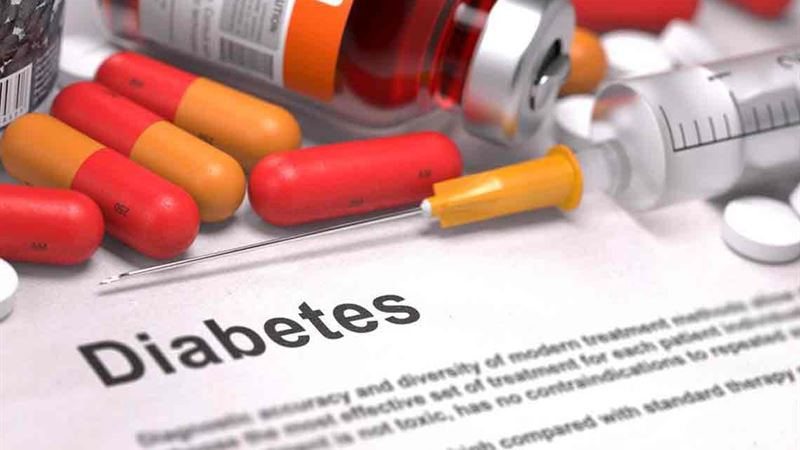
Type 2 diabetes is characterized by high blood glucose levels resulting from insulin resistance and a relative deficiency of insulin secretion. Rather than the pancreas producing insufficient insulin (as seen in type 1 diabetes), the body's cells fail to respond appropriately to insulin, making it difficult to move glucose from the bloodstream into the cells for energy. Over time, persistent high blood sugar levels can damage organs and impair functions across the body, leading to complications including cardiovascular disease, kidney failure, nerve damage, and vision problems.
The development of type 2 diabetes is multifactorial, involving both genetic and environmental components. Several factors increase susceptibility, and understanding these can aid in early prevention efforts.
Lifestyle Factors:
- Obesity and Excess Weight: Excess body fat, especially around the abdomen, significantly increases the risk. Obesity hampers the body's ability to use insulin effectively, prompting insulin resistance.
- Physical Inactivity: Sedentary lifestyles contribute greatly to weight gain and insulin resistance. Regular physical activity enhances insulin sensitivity.
- Unhealthy Diet: Diets high in refined sugars, processed foods, and unhealthy fats can lead to weight gain and metabolic disturbances.
- Chronic Stress: Persistent psychological stress elevates cortisol levels, which may promote fat storage and impair insulin sensitivity.
- Urbanization and Modern Lifestyles: Increased urban living often correlates with decreased physical activity and dietary shifts toward processed foods.
Genetic Factors:
- Family History: Having a close relative with type 2 diabetes increases your risk due to shared genes and lifestyle patterns.
- Genetic Variants: Research has identified over 30 genetic markers associated with increased susceptibility, demonstrating the inherited component of the disease.
- Ethnicity: Certain populations, including African Americans, Hispanic Americans, Native Americans, and Asian Americans, are at higher risk.
The interaction of these factors influences when and how the disease manifests, making lifestyle modifications especially important for at-risk groups.
Early diagnosis of type 2 diabetes can prevent complications. Symptoms often develop gradually and may be subtle, but awareness is crucial.
- Frequent Urination: Excess glucose in the bloodstream leads to increased urination as the kidneys work to remove excess sugar.
- Increased Thirst and Hunger: Elevated blood sugar levels cause dehydration and trigger hunger signals.
- Unintentional Weight Loss: Despite increased appetite, some individuals experience weight loss due to poor glucose utilization.
- Blurred Vision: Fluctuations in blood sugar can affect eye lens clarity, leading to vision problems.
- Fatigue and Weakness: Insufficient glucose entering cells results in low energy levels.
- Slow Healing and Infections: High blood sugar impairs immune function and delays wound healing.
- Itchy Skin and Yeast Infections: Elevated glucose levels create an environment conducive to fungal infections and skin irritations.
Prevention is always better than cure. Most cases of type 2 diabetes can be prevented or delayed with conscious lifestyle choices:
- Maintain a Healthy Weight: Achieving and sustaining a healthy body weight reduces insulin resistance significantly.
- Engage in Regular Physical Activity: Exercise helps cells respond better to insulin. Activities like brisk walking, swimming, cycling, and strength training are highly beneficial.
- Adopt a Balanced Diet: Focus on nutritious foods such as whole grains, vegetables, fruits, lean proteins, and healthy fats. Limit intake of processed foods, sugary beverages, and snacks high in refined carbs.
- Avoid Sedentary Habits: Break long periods of inactivity by standing or moving around every hour.
- Manage Stress: Practice relaxation techniques like meditation, yoga, or deep breathing exercises.
- Limit Alcohol and Quit Smoking: Both habits influence blood sugar levels adversely and contribute to overall metabolic health issues.
- Regular Screening: Especially for those with risk factors, monitoring blood glucose levels can facilitate early intervention.
While lifestyle changes are primary, some medications, such as metformin, have shown promise in reducing the risk of developing diabetes among high-risk individuals.
Effective management of type 2 diabetes requires a comprehensive approach tailored to the individual's needs. Early intervention can prevent or delay complications, improve quality of life, and keep blood sugar levels in check.
Key Treatment Components Include:
- Dietary Modifications: Prioritize nutrient-rich, low-glycemic foods, limit simple sugars, and control portion sizes. Emphasize whole grains, vegetables, fruits, and lean proteins.
- Physical Activity: Regular and consistent exercise enhances insulin sensitivity. Even moderate activities like brisk walking or cycling for at least 150 minutes a week can make a difference.
- Blood Glucose Monitoring: Regularly checking blood sugar levels helps adjust diet and medication plans proactively and prevent episodes of hyperglycemia or hypoglycemia.
- Medications: Metformin remains the first-line medication, helping improve insulin sensitivity. Other drugs include sulfonylureas, meglitinides, thiazolidinediones, and newer agents like SGLT2 inhibitors and GLP-1 receptor agonists, depending on the case.
- Insulin Therapy: Although traditionally used as a last resort, insulin therapy is now often initiated earlier in the disease course to achieve better control, especially when oral medications are insufficient or contraindicated.
- Managing Comorbidities: Keeping blood pressure and cholesterol levels under control reduces cardiovascular risks associated with diabetes.