
Essential Nutritional Choices for Managing Diabetes Effectively
Discover comprehensive strategies and top nutritious foods for controlling blood sugar in diabetes management. Learn how omega-3 rich fish, cinnamon, eggs, broccoli, and chia seeds can enhance your health. This detailed guide offers practical tips to incorporate these foods into your daily routine, improve insulin sensitivity, and support cardiovascular health. With customized dietary plans and lifestyle adjustments, you can effectively manage diabetes and reduce associated risks. Empower yourself with knowledge and take proactive steps toward healthier living today.
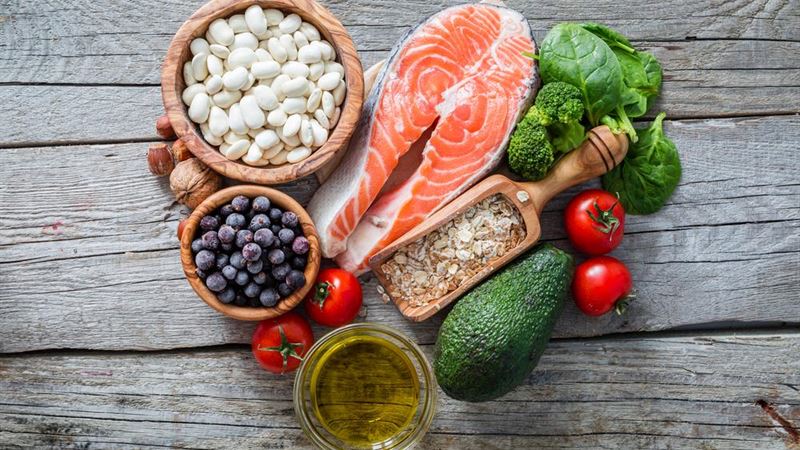
Managing blood sugar levels is crucial for individuals living with diabetes. Creating a well-balanced diabetic diet plan helps maintain optimal glucose levels, reduces risks of complications, and enhances overall health. Incorporating specific foods known for their beneficial effects on blood sugar can make a significant difference. This comprehensive guide explores top nutritious foods, dietary strategies, and lifestyle tips tailored for diabetics, emphasizing foods that support heart health, improve insulin sensitivity, and promote weight management.
Effective management of diabetes hinges on dietary choices. It’s not merely about cutting sugar but integrating nutrient-rich foods that help stabilize blood glucose and support overall wellness. When planning a diabetic-friendly diet, focus on foods rich in healthy fats, antioxidants, fiber, and essential nutrients. These components work synergistically to reduce inflammation, keep blood sugar in control, and lower the risk of cardiovascular diseases, which are common among diabetics.
In this extensive guide, we delve into the top five foods that should feature prominently in your diabetic diet plan, explaining their unique benefits and how they contribute to better blood sugar regulation. We’ll also provide practical tips on incorporating these foods into your daily meals, along with additional diet tips and lifestyle recommendations to optimize blood glucose levels.
Understanding the importance of nutrient-dense foods in diabetes management can empower you to make smarter choices. From omega-3-rich fatty fish to fiber-packed seeds, each food has specific qualities that support your health goals. Additionally, adjusting cooking methods, portion sizes, and meal timing can further enhance the positive effects of these foods. Remember, a personalized diet plan developed with a healthcare professional’s guidance offers the best outcomes.
- Fatty Fish: Rich in omega-3 fatty acids like DHA and EPA, fatty fish such as salmon, sardines, mackerel, and herring are excellent for heart health. Contrary to outdated beliefs, fats from these fish are beneficial by reducing inflammation, protecting blood vessel linings, and improving arterial function. Omega-3 fatty acids also help lower triglyceride levels, which is particularly advantageous for diabetics at high risk for cardiovascular diseases.
- Cinnamon: With potent antioxidant properties, cinnamon is more than just a flavorful spice. It has been scientifically shown to aid in lowering blood glucose levels and enhancing insulin sensitivity. Regular consumption of cinnamon can significantly reduce hemoglobin A1c levels, a marker for long-term blood sugar control, making it an invaluable addition to diabetic diet plans. Incorporate cinnamon into your meals or beverages for a natural way to support blood sugar management.
- Eggs: Eggs are a versatile, nutritious, and affordable option for diabetics. Eating whole eggs provides essential nutrients like choline, vitamin D, and healthy fats, which are vital for overall health. They also help reduce inflammation, improve insulin sensitivity, and boost HDL cholesterol levels—the “good” cholesterol. It is recommended to consume whole eggs rather than just egg whites to gain maximum nutritional benefits, but portion control is key to maintaining a balanced diet.
- Broccoli: This cruciferous vegetable ranks among the most nutrient-dense foods for diabetics. A half-cup of cooked broccoli adds only about 27 calories and contains fiber, vitamin C, magnesium, and antioxidants. Broccoli also plays a role in lowering insulin levels, helping cells combat oxidative stress caused by free radicals. Its low carbohydrate content makes it an ideal choice for sustaining energy and maintaining blood glucose stability.
- Chia Seeds: As a superfood for diabetics, chia seeds are packed with soluble fiber, healthy fats, and protein. Their high fiber content helps stabilize blood sugar, curb hunger, and promote feelings of fullness, aiding in weight control. The low digestible carbohydrate content means that chia seeds won’t spike blood glucose levels, making them an excellent addition to smoothies, oatmeal, or salads. Regular inclusion can support both weight management and blood sugar regulation.
Beyond these foods, adopting other healthy eating habits is essential. Focus on whole, minimally processed foods, control portion sizes, and spread carbohydrate intake evenly throughout the day. Incorporate regular physical activity, maintain a healthy weight, and stay hydrated to further enhance your diabetes management efforts. It’s also helpful to work closely with a registered dietitian or healthcare provider to tailor your dietary approach to your specific needs.
In summary, building a diabetic diet around nutrient-rich, blood sugar-friendly foods can significantly improve your quality of life. The integration of omega-3 fatty fish, antioxidant-rich spices like cinnamon, nutrient-dense vegetables such as broccoli, high-fiber seeds like chia, and lean protein sources like eggs creates a balanced, health-promoting eating pattern. Consistency, mindful eating, and professional guidance are key to successfully managing diabetes through diet.