
Effective Strategies for Eliminating Invasive Ivy Plants
Discover comprehensive methods to eradicate invasive ivy plants permanently. This detailed guide covers physical removal, chemical treatments, and natural approaches to control and eliminate ivy effectively, preventing regrowth and protecting your landscape. Learn expert tips for long-term ivy eradication and maintaining a healthy, beautiful environment.
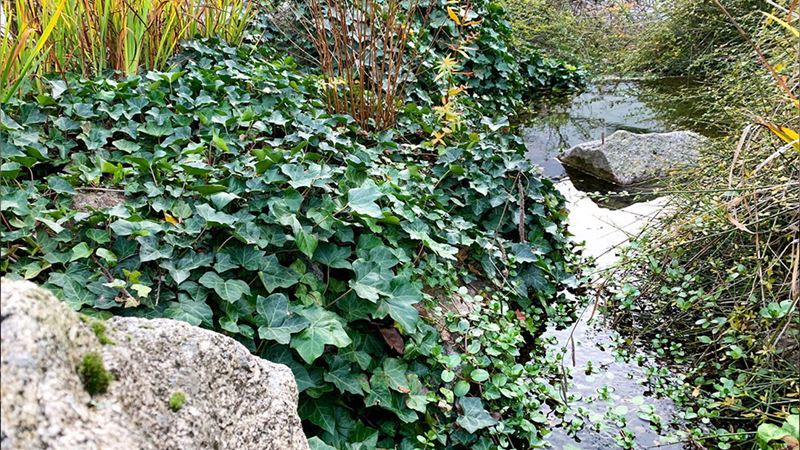
Why is it crucial to remove or control ivy growth?
Understanding the reasons behind ivy removal is essential for effective management. Invasive ivy can cause significant ecological and structural issues, making it necessary to take action. Here’s why controlling ivy is important:
- Ivy competes aggressively with native flora, outcompeting and displacing indigenous plant species.
- It can cause damage to trees and shrubs by constricting their growth and potentially leading to their death.
- Ivy spreads rapidly across forests and woodland areas, hindering natural reforestation and ecosystem recovery.
- It can obstruct natural waterways, leading to water flow issues and potential erosion control problems.
- Dense ivy mats serve as ideal nesting grounds for pests and rodents, posing health risks.
Methods to effectively eliminate ivy plants
If you’re dealing with invasive ivy, there are multiple strategies to eradicate its presence carefully and efficiently:
- Vine cutting techniques
Begin by monitoring the plant’s lifecycle. When the leaves start yellowing, locate the vines near the base where they emerge from the soil or structure. Carefully peel or cut the vines from surfaces like walls or fences without damaging the underlying siding or materials. Use sharp pruning tools to sever resistant sections. Remember, cutting alone isn’t enough; residual roots in the soil can regenerate new growth within months if not properly treated.
- Cutting the root base
For mature, established ivy overgrowth, removal at the ground level is vital. Use robust hand tools such as pruning shears, loppers, or powered equipment like brush cutters to cut the vines at their source. Carefully work around the area, removing as much of the root mass as possible to hinder future sprouting. This process can be labor-intensive but is necessary to permanently suppress ivy resurgence.
- Root extraction and soil management
Dig down around the ivy’s base to expose and remove roots, ensuring no fragments remain. Water the soil beforehand to loosen it, making digging easier and more thorough. Carefully extract the entire root system and dispose of it properly to prevent any hidden shoots from sprouting later. Replenish the area with mulch or soil amendments to discourage new growth from residual roots.
- Frequent mowing and trimming
Regular mowing is an alternative to digging, especially in flat or open landscapes. Maintain a mowing schedule of at least once a week during its peak growing season. Cutting the ivy vines repeatedly weakens the plant’s ability to produce surface foliage and helps suppress its spread over time.
- Blocking sunlight with covers
Cover the affected area with an opaque, thick plastic tarp. This method deprives the ivy of sunlight necessary for photosynthesis. Leave the cover in place for at least one year, which forces the plant to die off gradually. Ensure that the cover is secured tightly to prevent light infiltration. This natural and chemical-free approach is eco-friendly and effective over the long term.
- Herbicide application
Applying chemical herbicides remains one of the most efficient methods for eradicating large or well-established ivy patches. Use glyphosate-based products for their systemic action. To optimize effectiveness, damage the vines with a weed whacker or similar device to allow herbicide penetration through the plant’s waxy coating. Apply the herbicide directly to the cut stems for maximum absorption. Remember to follow safety instructions carefully when handling chemical treatments.
- Vine dehydration with vinegar
A natural alternative involves spraying white vinegar directly onto the ivy’s surface. This method dehydrates the leaves, especially effective on ivy growing on fences, walls, or ground cover. Repeated applications may be necessary, as vinegar doesn’t affect the root system directly, allowing future growth if roots are not physically removed.
- Mulching to suppress growth
Applying a thick mulch layer—such as grass clippings, wood chips, or hay—smothers the ivy plants, preventing light from reaching the vines. This can significantly slow down or stop the plant’s development, especially in conjunction with mechanical removal methods.
Strategies for permanent ivy eradication
Complete removal of ivy requires thorough approaches. Many methods only temporarily halt growth; deep roots can cause re-infestation. To eliminate ivy permanently, integrating chemical, physical, and biological control measures is necessary. Systemic herbicides, combined with root removal and physical barriers, provide the best chance for lasting control.
To ensure long-term success, it’s important to prepare the site properly: protect desirable plants during treatment, dispose of cuttings safely, and monitor the area regularly for re-emergence. Persistent efforts and patience are key to eliminating invasive ivy and restoring your landscape or property.