
Ultimate Guide to Gardening and Landscape Design: Essential Tips and Techniques
Discover comprehensive tips on gardening and landscape design, from plant selection and soil prep to maintenance and lighting. Learn how to create beautiful, sustainable outdoor spaces tailored to your environment with expert advice on plant varieties, landscaping styles, pest control, and effective tools. Whether you’re a beginner or experienced gardener, this guide provides valuable insights to enhance your gardening skills and transform your yard into a vibrant oasis.
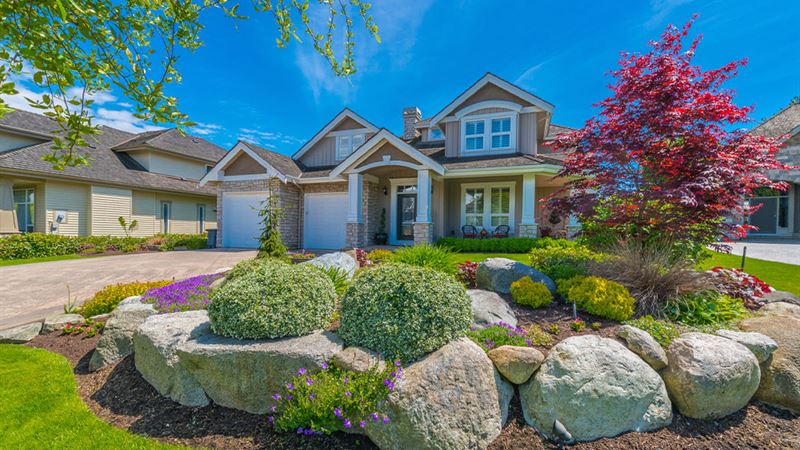
Creating a beautiful and sustainable garden or landscape is both an art and a science. Whether you're a seasoned gardener or a homeowner eager to enhance your outdoor space, understanding the fundamentals of plant selection, soil preparation, planting, and maintenance is crucial. From choosing the right plants to implementing effective pest control strategies, this comprehensive guide covers every aspect necessary for successful gardening and landscaping projects.
Types of Plants and Their Uses
Choosing the right plants is the foundation of any successful garden or landscape. Broadly, plants can be categorized into several groups based on their longevity, growth habits, and functions. Understanding these categories helps gardeners make informed decisions that align with their aesthetic goals and maintenance capabilities.
- Annuals – These plants complete their life cycle within a single growing season. They are perfect for adding vibrant color quickly and are highly versatile. Popular annuals include marigolds, petunias, and impatiens. They typically require regular watering and fertilizing but reward gardeners with seasonal blooms.
- Perennials – Known for their longevity, perennials live for multiple years, providing long-term structure and color to gardens. They usually bloom annually but return year after year, reducing the need for replanting. Examples include lavender, peonies, and coral bells. Perennials often need some initial care to establish but then become relatively low-maintenance.
- Trees – Trees are the backbone of many landscapes, offering shade, privacy, and focal points. They grow for many years, sometimes decades, and their size and form can influence the entire landscape design. Suitable choices include maples, oaks, and flowering cherries. Proper planning for growth and root spread is essential when planting trees.
- Shrubs – These woody plants range in size from small bushes to larger plants that can reach six feet or more. They add texture, color, and structure. Popular shrubs like boxwoods, viburnums, and hydrangeas are also used for borders and hedges. Proper pruning keeps shrubs healthy and visually appealing.
- Groundcovers – These low-growing plants spread horizontally to cover soil, suppress weeds, and prevent erosion. Examples include creeping thyme, sedum, and lily-of-the-valley. Groundcovers are ideal for enhancing underplanting or difficult slopes.
Planning and Preparation for Successful Gardening
Effective gardening begins with thorough planning. Assessing your space, understanding your local climate, and selecting suitable plants are key first steps. Proper soil preparation is vital, involving soil testing, amending with organic matter, and ensuring proper drainage.
- Soil Preparation – Healthy plants thrive in well-drained, nutrient-rich soil. Incorporate compost or other organic amendments and loosen compacted soils to improve aeration. Conduct soil tests to determine pH and nutrient levels for tailored amendments.
- Watering Techniques – Consistent watering encourages healthy root development. Use drip irrigation or soaker hoses for efficiency and prevent overwatering, which can lead to root rot.
- Fertilization – Plants require essential nutrients such as nitrogen, phosphorus, and potassium. Select appropriate fertilizers based on the plant type and season. Organic options like compost and fish emulsion can enhance soil fertility naturally.
Maintaining Your Garden: Care and Upkeep
Once your plants are established, ongoing maintenance ensures they stay healthy and vibrant. Key activities include watering, fertilizing, pruning, and pest management.
- Fertilizing Guidelines – Apply fertilizers according to package instructions, typically during active growth periods. Over-fertilizing can lead to excessive foliage growth and reduce flowering; under-fertilizing results in stunted growth.
- Pruning Techniques – Regular pruning promotes healthy growth, improves airflow, and shapes plants. Remove dead or diseased branches and prune to encourage flowering or fruiting.
- Pest and Disease Control – Vigilance is necessary to prevent pest infestations. Common pests include caterpillars and aphids. Use targeted organic pesticides, beneficial insects, or natural deterrents when possible, minimizing environmental impact.
Essential Gardening Tools and Equipment
Having the right tools simplifies gardening tasks and enhances efficiency. Basic tools include:
- Garden Rake – Essential for clearing debris, leveling soil, and aerating the ground.
- Hoe – Useful for breaking up soil and removing weeds.
- Spade – Ideal for digging planting beds, trenches, or removing mature plants.
- Trowel – Perfect for small planting projects and precise soil work.
Exploring Landscaping Styles and Techniques
Landscaping transforms your outdoor space, balancing aesthetics with functionality. There are various styles and techniques to suit different preferences and environments.
- Landscape Architecture – Involves planning and designing with elements like plant arrangements, water features, terraces, and decorative stones to create harmonious outdoor spaces.
- Ground Cover and Lawn Designs – Use low-growing plants for stability and visual interest, or establish manicured lawns using turfgrass or artificial alternatives.
- Container Gardening – Growing plants in pots or containers offers flexibility in design and mobility, ideal for small spaces or urban environments.
- Urban Gardening – Focuses on maximizing limited space in cities through rooftop gardens, window boxes, and small plot cultivation.
Lighting Solutions for Outdoor Spaces
Proper lighting enhances your garden’s beauty while improving safety. Two main types of outdoor lighting are:
- General Lighting – Provides widespread illumination suitable for large areas, pathways, and patios, ensuring safety and visibility.
- Task Lighting – Focused lighting for specific tasks like highlighting focal points, illuminating seating areas, or accentuating special plants. Brighter and more directed than general lighting, it adds functionality and ambiance.
Planning your outdoor lighting involves considering energy-efficient fixtures, placement, and control options like timers or motion sensors.
For successful gardening and landscaping, start by defining your goals, researching suitable plants, understanding your local climate, and developing a detailed plan. With patience and consistent care, your garden can become a lush, inviting sanctuary.