
Creative Ways to Incorporate Wooden Edging into Your Garden Design
Discover innovative and stylish ways to incorporate wood into your garden borders. From rustic wooden blocks and bamboo to pinewood sleepers and repurposed logs, explore various effective options for enhancing your landscape. These versatile, eco-friendly solutions not only add aesthetic charm but also serve functional purposes like protecting flower beds and defining garden zones. Suitable for small or large gardens, wooden edging can be customized to your design preferences, offering a durable and natural boundary that elevates your outdoor space. Easy to install and maintain, these ideas help create a harmonious and inviting garden environment.
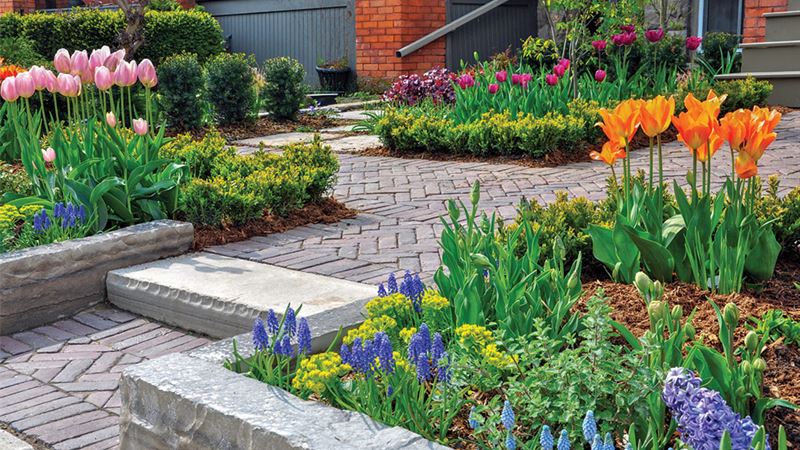
Enhancing your garden's appearance while maintaining a clear and functional boundary is essential for a beautiful landscape. Wooden edging offers a versatile, natural, and aesthetically pleasing solution that complements various garden styles. The amount of wood you will need depends on the specific dimensions of your garden or lawn, including the height and length of the area you wish to define. By choosing the right type of wood and cutting it appropriately, you can create custom borders that elevate your outdoor space, adding character and definition. Whether you prefer a rustic rustic look or a sleek, modern finish, wooden edging can be customized to your preferences. Planning your project carefully will ensure a seamless and durable border that serves both decorative and functional purposes.
One of the most popular techniques for a charming rustic appearance involves staggered wooden blocks. These blocks, which come in various sizes, can be arranged to give your garden a natural, unpolished look. If you prefer uniformity, you can chop the wood into consistent widths and heights for a tidy, traditional border. Conversely, leaving the blocks irregular in size and shape imparts a rugged, countryside aesthetic that fits well with informal garden settings. The process is straightforward: align the blocks along the edge of your garden bed, pressing them into the soil to hold them in place. This simple method not only creates an attractive boundary but also offers flexibility in design. You can further enhance this rustic charm by choosing aged or weathered wood, which develops a beautiful patina over time.
Beyond traditional wooden blocks, bamboo emerges as a versatile alternative that seamlessly blends durability with visual appeal. Bamboo can be stacked horizontally, mimicking the log stacking method, or cut into uniform lengths and positioned vertically to create a sleek, contemporary border. Its lightweight nature and natural resilience make bamboo an ideal material for garden edging, especially if you seek a sustainable, eco-friendly solution. When assembled correctly, bamboo adds a layer of textural interest to your landscape and can be painted or stained to match your garden theme. Using bamboo offers extraordinary flexibility — it can be styled to look modern or rustic, depending on your design preferences.
Another readily available option is pinewood sleepers, which are popular for their strength and ease of use. These large, flat pieces of timber are often sold in bulk, making them an economical choice for extensive garden projects. Lining these sleepers along your garden boundary provides a vintage, charming appearance that complements traditional and modern garden styles alike. Pinewood sleepers are durable, easy to work with, and can be cut to desired lengths if needed. Their natural coloring invites creative staining or painting, allowing you to customize your garden border further. This approach is especially suitable for creating raised beds or accentuated borders that stand the test of time.
For a more budget-friendly and resourceful approach, consider repurposing scrap logs. Tall, chunky logs provide a natural and robust boundary that can be both decorative and functional. Using just a few long logs can effectively define a small garden bed or flower area without extensive work or expense. Placing these logs end-to-end creates a natural barrier that blends seamlessly into the outdoors, especially in woodland or rustic garden themes. Additionally, scrap logs can be arranged in creative patterns, such as staggered heights or curved layouts, to enhance visual interest. This method is highly sustainable, making it an eco-conscious choice for environmentally mindful gardeners.
Implementing any of these wood-based edging ideas can dramatically improve the aesthetics and organization of your garden or backyard. The beauty of wooden borders lies in their adaptability; they suit small narrow gardens as well as expansive lawns. Besides their decorative appeal, wood borders serve an important practical role in protecting delicate flower beds and garden beds from foot traffic, pests, and encroaching grass. They also help in defining planting zones clearly, maintaining order, and preventing soil erosion. Choosing the right type of wood and installing it properly ensures durability and longevity, so your garden looks refined for years to come. By mixing and matching these techniques, you can craft a personalized garden border that is both functional and visually captivating, transforming an ordinary outdoor space into an inviting retreat that reflects your style and personality.