
Natural Strategies for Managing and Alleviating Tinnitus Symptoms
Explore comprehensive natural methods to manage tinnitus symptoms effectively. Learn about dietary adjustments, lifestyle changes, and relaxation techniques that can help reduce noise perception and improve quality of life. Early diagnosis and a holistic approach are key to tinnitus relief. Discover actionable tips for a calmer, healthier auditory experience through natural therapies today.
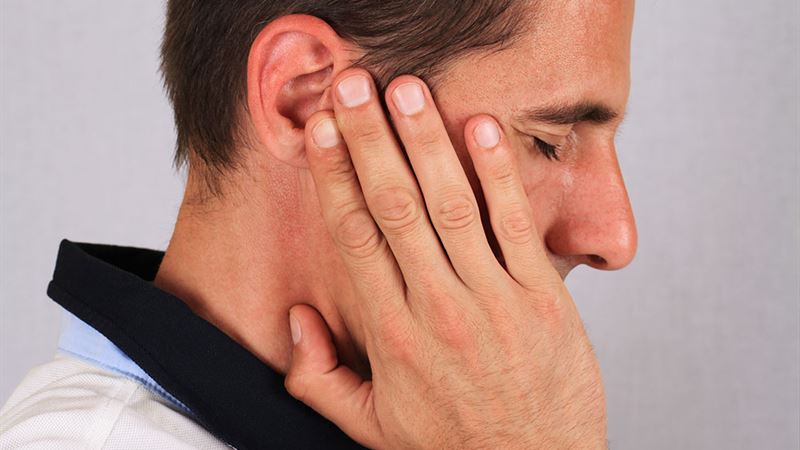
Experiencing persistent tinnitus can significantly impact daily life, affecting hearing, concentration, sleep, and overall well-being. Many individuals seek effective ways to manage or reduce tinnitus symptoms naturally before pursuing medical treatments. Understanding the various sounds associated with tinnitus and their potential causes is crucial for effective management. These sounds can include clicking, rushing or humming, heartbeat-like pulsations, as well as high or low-pitched ringing. Identifying the root cause can lead to more targeted and effective natural remedies.
- Clicking sounds: These are often caused by muscle contractions in or around the ear. These clicking noises usually occur in bursts and can last from a few seconds to several minutes. They are typically linked to muscle spasms or ear muscle movements and may not require aggressive treatment, but managing muscle tension can help reduce their frequency.
- Rushing or humming noises: Such sounds often originate from vascular activity, and their intensity might fluctuate during physical activity or posture changes. Fluctuations in blood flow or vascular conditions can be contributing factors. Lifestyle modifications and stress reduction techniques can help manage these symptoms.
- Heartbeat-like pulsations: If the sound closely resembles your heartbeat, it might be related to blood vessel issues, high blood pressure, vascular tumors, or blockages in ear passages or the Eustachian tube. Medical evaluation is essential to identify serious underlying causes, but certain natural strategies may support vascular health.
Another common manifestation of tinnitus is the presence of low-pitched ringing, which is often associated with Meniere’s disease. This condition can cause low-frequency ringing that becomes more pronounced during vertigo attacks or episodes of dizziness. Conversely, high-pitched ringing often results from exposure to loud noises or physical trauma to the ear. Long-term noise exposure or age-related hearing decline can lead to persistent tinnitus, which might become permanent without appropriate intervention. Understanding these sound profiles helps in tailoring natural treatments effectively.
Although there is no definitive cure for tinnitus, various approaches can help you manage its symptoms and improve your overall quality of life. The key is to focus on natural remedies and lifestyle modifications that can reduce the perception of tinnitus or decrease its severity. Before initiating any treatment plan, it’s advisable to undergo a comprehensive evaluation by an audiologist or ENT specialist, who may perform a series of tests to determine underlying causes. These assessments include hearing tests, physical examinations, and possibly imaging or blood tests.
Audiological Evaluation: This involves soundproof testing rooms where earphones are used to play specific sounds. The patient’s responses help identify hearing thresholds and possible abnormalities associated with tinnitus. Comparing results to age-matched norms allows clinicians to pinpoint issues that might be contributing to tinnitus.
Physical Movement Tests: During these exams, the physician may instruct patients to move their eyes, neck, limbs, or clench their jaw to observe if certain motions worsen or alleviate tinnitus. Such tests help identify musculoskeletal or neurological factors influencing tinnitus symptoms.
Implementing natural remedies is often an effective way to complement medical treatment, aiming to lessen tinnitus distress and enhance daily functioning. Here are some evidence-based and practical natural approaches:
- Avoidance of Stimulants: Nicotine, caffeine, and other stimulating substances can exacerbate tinnitus symptoms by increasing neural activity or impairing blood circulation. Nicotine, in particular, harms blood flow to sensitive nerves and may intensify tinnitus. Reducing or eliminating nicotine intake can be beneficial. Similarly, caffeine can interfere with sleep quality and heighten tinnitus perception, so moderating or avoiding caffeine might lead to symptom relief.
- Enhanced Dietary Habits: A balanced diet rich in essential vitamins and minerals can support ear health and reduce tinnitus symptoms naturally. Emphasize foods high in vitamins A, B12, C, and E, as well as magnesium and copper, which promote nerve health and circulation. Avoid processed foods, excessive salt, and junk food, as high sodium levels can cause fluid retention and raise blood pressure, worsening tinnitus. Incorporating fresh vegetables, fruits, lean proteins, and healthy fats forms a foundation to combat tinnitus naturally.
- Regular Physical Activity: Engaging in daily exercise alleviates stress, a primary trigger for tinnitus exacerbation. Activities like walking, swimming, yoga, and stretching release endorphins, which act as natural painkillers and mood stabilizers. Physical activity also improves sleep quality and reduces anxiety, both contributing to decreased tinnitus perception. Incorporating stress management techniques such as meditation and deep breathing exercises enhances these benefits.
- Creating a Relaxing Sound Environment: Using soothing background music can serve as a distraction and mask the ringing sounds. Developing a playlist of calming melodies or nature sounds offers comfort and can diminish the awareness of tinnitus. This approach is simple yet effective for managing daytime symptoms.
- Relaxation and Warm Bath Rituals: Taking long baths with aromatic salts, essential oils, or calming bath products can relax tense muscles and soothe the nervous system. This promotes relaxation, reduces stress, and may help decrease tinnitus severity. Creating a calming routine before bed fosters better sleep, which is essential for overall auditory health.
While natural remedies can significantly improve life quality for tinnitus sufferers, they should be used in conjunction with professional medical advice. Early diagnosis and tailored treatment plans are crucial. Always consult a healthcare provider if you experience persistent or worsening symptoms. Combining these natural strategies with medical management optimizes the chances of reducing tinnitus impact and enhancing your well-being.