
Comprehensive Guide to Hearing Loss Management: Treatment Strategies and Natural Remedies
This comprehensive guide explores various treatment options for hearing loss, including medical interventions like hearing aids and cochlear implants, along with natural home remedies such as acupressure, healthy eating, ear irrigation, and exercises. It emphasizes the importance of professional consultation and offers practical tips to manage hearing impairment effectively. Suitable for individuals experiencing different stages of hearing loss, the article aims to enhance awareness and promote proactive ways to improve auditory health and communication skills for better quality of life.
The journey to managing hearing loss begins with understanding the different stages and available treatment options. Hearing loss can vary from mild to profound, and identifying the specific level of impairment is crucial for choosing the appropriate intervention. Medical professionals typically classify hearing loss into three categories: conductive, sensorineural, and mixed. Conductive hearing loss involves issues in the outer or middle ear, while sensorineural pertains to inner ear or nerve damage. Mixed combines both conditions.
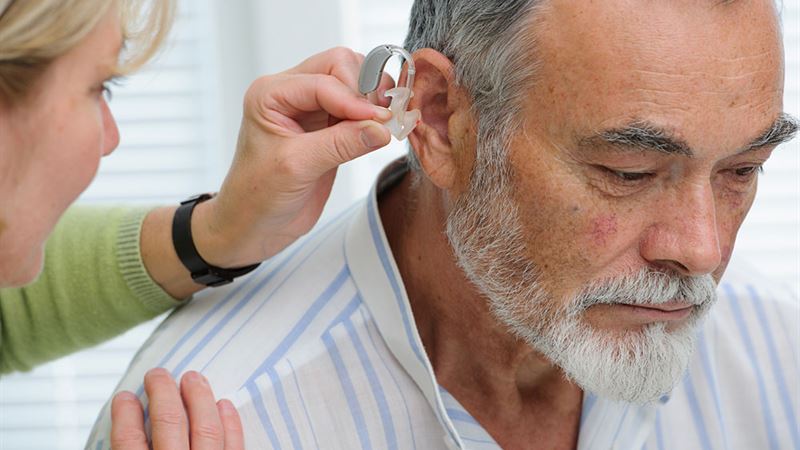
The next vital step is to undergo a comprehensive hearing assessment performed by audiologists. This evaluation helps determine the severity and type of hearing impairment. Based on the results, experts can recommend tailored solutions, such as hearing aids, cochlear implants, or auditory brainstem implants. Each option has specific indications, benefits, and limitations.
Adapting to a new hearing device can be challenging but is essential for maximizing its benefits. Proper training from audiologists helps in understanding how to operate and maintain hearing aids or implants. Regular follow-ups ensure optimal performance and address any issues that may arise. It's also important to set realistic expectations about the improvements hearing devices can provide.
Beyond devices, individuals can incorporate supplementary strategies to improve communication and quality of life. Using peak communication techniques like speech reading, sign language, or visual cues can be highly effective. Technologies like infrared listening systems, teletypewriters (TTY), alerting devices, and captioning services help bridge communication gaps. Support groups and counseling also play a vital role in emotional adjustment and coping with hearing impairment.
- Acupressure and Traditional Chinese Medicine
Consulting with licensed acupressure practitioners of Oriental medicine can be beneficial. Specific pressure points on the body, when stimulated correctly, might help alleviate hearing difficulties. Acupressure aims to promote blood circulation and reduce inner ear inflammation, potentially improving hearing capacity over time. - Nutritious Diet and Dietary Supplements
Maintaining a balanced diet rich in essential nutrients supports ear health. Consuming foods loaded with vitamins A, C, E, and minerals like zinc can strengthen ear tissues and boost the immune system. Some studies suggest that antioxidants and anti-inflammatory foods may reduce age-related hearing decline. - Ear Irrigation and Wax Removal
If excessive earwax buildup causes temporary hearing loss, professional irrigation performed by trained healthcare providers can help. Over-the-counter ear irrigation kits are also available, but self-treatment should be approached cautiously to avoid ear injury. Regular cleaning by professionals can prevent blockage and improve hearing clarity. - Physical Exercise and Audiological Health
Engaging in regular physical activity and specific hearing exercises can potentially enhance blood flow to the ears and improve auditory functions. Yoga poses targeting head and neck regions, along with breathing exercises, may promote overall ear health and reduce stress-related hearing issues.
It’s important to note that while natural remedies can be supportive, they should not replace professional diagnosis and treatment. Individuals experiencing hearing difficulties should always seek advice from qualified audiologists or ENT specialists before starting any home-based intervention. Early diagnosis and comprehensive management can significantly improve outcomes and quality of life for those with hearing loss.