
Smart Savings Tips for Medical Alert Systems During Cyber Monday Deals
Discover how to save big on medical alert systems during Cyber Monday with expert tips. Learn about device options, features like fall detection and GPS tracking, and how to find the best deals. This guide helps seniors and caregivers make informed decisions, ensuring safety and affordability while taking advantage of holiday discounts. From understanding costs to exploring discounts for specific groups, get all the essential information to secure a reliable medical alert system at a lower price during Cyber Monday shopping events.
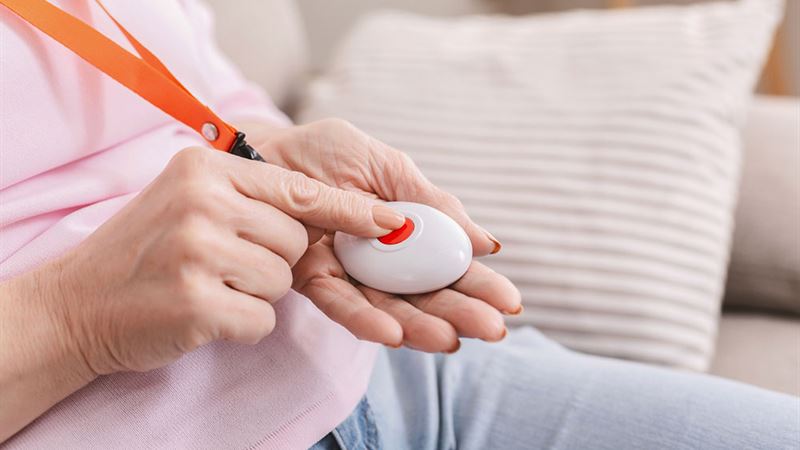
As the population ages, the importance of reliable medical alert systems becomes increasingly evident for both seniors and their families. These systems are crucial for ensuring timely assistance in emergencies, whether at home or on the go. While traditional in-home setups have been the norm, modern portable and GPS-enabled devices are transforming how seniors maintain independence while staying connected to caregivers and emergency services. Understanding the various options, their features, and how to maximize savings during major shopping events like Cyber Monday can make a significant difference in affordability and peace of mind.
Medical alert systems are designed primarily for in-house use, but many brands now offer user-friendly portable options suitable for travel and outdoor activities. These portable devices often come with GPS tracking, voice communication, and waterproof buttons, making them versatile for different lifestyles. Typical in-home devices consist of a base station equipped with a speaker and microphone, along with a wearable emergency button—usually worn around the neck or wrist. Mobile systems, however, eliminate the need for a fixed base station, allowing users to move freely while maintaining access to emergency services through cellular or GPS connectivity.
One notable feature of many modern medical alert systems is fall detection technology. Wearable pendants or wristbands with embedded sensors can automatically recognize a fall and alert emergency contacts without requiring manual activation. This feature provides an extra layer of security, especially for individuals prone to falls or with mobility issues, enhancing their independence without compromising safety. The overarching goal of these devices is to empower seniors to live confidently while offering reassurance to their loved ones.
Pricing for medical alert devices varies widely depending on features and the type of system selected. Typically, providers charge a monthly fee ranging from $19 to $49 or more. This fee usually covers the monitoring service, but additional costs may include equipment purchase or rental, activation fees, and installation charges. Many devices support multiple connectivity options—landline, cellular, or GPS—with operational ranges up to 1,400 feet for home-based systems. The wide array of available systems allows consumers to choose options that fit their budgets and needs, but it’s essential to carefully review contractual terms before making a purchase.
One-time activation or setup fees are common and can range from $25 to $100. Sometimes, these costs aren’t prominently advertised, so it’s prudent to inquire directly with providers. Portable devices designed for on-the-go use typically cost between $50 and $350, depending on features and brand reputation. Renting equipment might be an alternative if upfront costs are a concern, often included in the monthly monitoring fee for certain services. This flexibility allows users to avoid large initial investments while still accessing essential safety features.
Cyber Monday presents a prime opportunity to secure substantial discounts on medical alert systems. Since many insurance plans, including basic Medicare, do not cover these devices, purchasing during sales events can lead to significant savings. Major online retailers and service providers often bundle discounts, special offers, or free trials to attract customers during the holiday shopping season. While Black Friday deals usually kick off the promotional frenzy, Cyber Monday tends to feature the most attractive and exclusive deals, making it an ideal time for consumers to invest in their health and safety.
To maximize savings, it’s advisable to research and compile a shortlist of reputable providers beforehand. Contact customer service to inquire about any seasonal promotions, discounts for specific groups (such as AARP members or military veterans), or limited-time offers. Some companies also extend discounts to community groups or seniors’ organizations, so membership inquiries may yield additional benefits. Reading user reviews from neighbors or caregivers can provide valuable insights into real-world performance and customer satisfaction. Pay close attention to pricing structures—some vendors charge higher monthly fees for rental equipment, while others offer lower ongoing costs with upfront device payments.
Another strategic approach is to look for providers offering risk-free trial periods, money-back guarantees, or free cancellation options. These policies allow users to test the system’s suitability without long-term commitments or financial risk. Due diligence is key—compare total costs, including initial setup, monthly charges, and potential extra fees—to determine the most economical choice. With careful planning and timing during Cyber Monday, seniors and their families can secure high-quality medical alert systems at significantly reduced prices, safeguarding health and independence more affordably than ever before.