
Comprehensive Guide to Selecting the Ideal Medical Alert System for Your Needs
This comprehensive guide explores various types of medical alert systems, their essential features, and tips for choosing the right device. It covers traditional and mobile options, advanced functionalities like GPS and fall detection, and recommendations for top brands. Prioritizing safety, independence, and convenience, the article helps families and seniors select suitable emergency response solutions to ensure prompt assistance in emergencies, enhance security, and foster peace of mind.
In today’s rapidly evolving healthcare landscape, ensuring safety and prompt emergency response for seniors and vulnerable individuals has become more achievable than ever. The question often arises: “Do I need a medical alert system?” The answer hinges on individual circumstances, lifestyle, and potential risks. Medical alert devices have transformed from simple call buttons to sophisticated, wearable technology that provides peace of mind, independence, and immediate access to emergency services.
As the aging population continues to grow worldwide, the importance of reliable medical alert solutions has never been greater. These devices offer critical assistance, especially for seniors living alone, those with health conditions, or individuals with mobility issues. They serve as a vital safety net, enabling users to call for help instantly at the press of a button. From basic models to advanced systems equipped with GPS and fall detection, options abound to meet diverse needs and budgets.
Modern medical alert systems leverage cutting-edge technology to deliver highly responsive, user-friendly devices. The compact, lightweight designs make it feasible for users to wear them comfortably all day long, whether as bracelets, pendants, or even clip-ons. The technological upgrades have enhanced durability, waterproofing, and ease of use, making these devices adaptable to various environments, including bathrooms and outdoor settings. Understanding how these systems operate and their different types can empower you to choose the most suitable option for your loved ones or yourself.
- Most alert systems operate via subscription services, providing a device that users wear during daily activities. Many devices are waterproof, ensuring safety even during bathing or swimming. When an emergency occurs, the user presses the emergency button, which initiates a call to a trained operator.
- The operator assesses the situation and then contacts the emergency responders or designated contacts. The operator often stays on the line until help arrives, offering reassurance and guidance throughout the process.
- If the user cannot respond or is unconscious, the system automatically alerts emergency responders through sensors or GPS, ensuring rapid assistance without the need for manual intervention.
- Most systems also notify designated caregivers or family members if no response is detected, ensuring a comprehensive safety network.
Categories of Medical Alert Systems
Choosing the right alert system depends on individual needs, lifestyle, and environment. Typically, these systems fall into two broad categories:
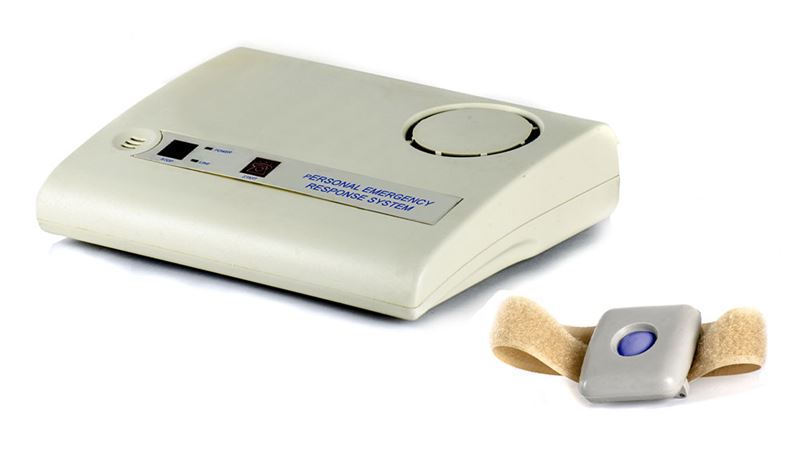
Traditional Home-Based Systems: These are the classic alert setups, usually involving a base station connected to a landline or internet. The device includes a two-way speaker and microphone, with wearable remotes such as pendants or wristbands. When the button is pressed, the base station communicates with a monitoring center, which dispatches emergency services if needed. These systems are reliable for those who spend most of their time indoors within the range of the base station. Additional functionalities like fall detection, medication management, and activity tracking can be added for an extra fee, making them versatile for different health conditions.
Mobile and GPS-Enabled Alert Systems: In an era where mobility is vital, mobile alert systems are increasingly popular. These devices operate on cellular networks, eliminating dependency on landlines, and are perfect for active individuals who frequently venture outdoors. Most mobile systems incorporate features like GPS tracking, allowing precise location data to be relayed during emergencies, which expedites response times. They also include automatic fall detection, waterproofing, and shatterproof designs to ensure durability and safety in various circumstances. Many also offer health and activity monitoring features, further supporting comprehensive health management.
Key Features to Look for When Selecting a Medical Alert System
To identify the most suitable device, consider the following questions:
- Is fall detection necessary? Falls are a leading cause of injury among seniors. Devices with fall detection utilize sensors to automatically recognize a fall and alert emergency contacts, even if the user cannot manually press the button. This feature can significantly reduce response time and improve outcomes during falls.
- Do you need a stationary or mobile system? If the individual primarily stays at home, a traditional wired or Wi-Fi-enabled system may suffice. However, for those who are active outside the home, a mobile or GPS-enabled device ensures continuous safety and location tracking.
- Is professional monitoring required? Some systems include a subscription for 24/7 monitoring by trained dispatch centers that coordinate emergency responses. Others may simply notify family members or caregivers through alerts. The choice depends on the level of immediate professional help desired.
Beyond these core features, many devices offer additional functionalities such as medication reminders, activity monitoring, and home security integration. Evaluating the added benefits against the cost can help you select a system that offers comprehensive safety without unnecessary expenses.
Pricing varies across brands and features. Basic devices tend to be more affordable but may lack some advanced features like GPS or fall detection. Premium systems offer extensive capabilities, which can be essential for individuals with complex health needs or those desiring maximum independence and security.
Top Recommended Medical Alert Systems
- Philips Lifeline: Renowned for its robust range, Philips Lifeline offers waterproof devices with fall detection, medication management, and location services. Their extensive customer support ensures users feel secure and cared for around the clock.
- ResponseNow: Offering both in-home and cellular devices, ResponseNow provides reliable systems with a 30-day satisfaction guarantee. Their products include fall detection and waterproof features, suitable for daily wear by seniors and active individuals alike.
- GreatCall: This innovative mobile solution is budget-friendly and easy to operate. It combines cellular connectivity with health tracking features and allows users to connect directly with medical professionals, providing a comprehensive safety package.
- Life Alert®: A household name in emergency response, Life Alert offers durable waterproof devices with GPS capabilities. Their services include an emergency mobile app for swift assistance on the go.
- Bay Alarm Medical: Known for its dependable emergency response center, Bay Alarm Medical provides backup power, GPS boundary alerts, and in-car alert options—ideal for active seniors or those with travel needs.
- Life Station: An affordable yet reliable choice, Life Station offers fast response times and flexible packages, catering to a broad spectrum of users seeking basic to advanced emergency features.
- Medical Guardian: Highly customizable, Medical Guardian allows users to select and combine various accessories, including GPS tracking and in-home systems, tailoring safety solutions to individual preferences.
- LifeFone: With over four decades in the industry, LifeFone provides simple, user-friendly devices with added features like wellness checks and medication reminders, enhancing overall health management.
- Qmedic: This system goes beyond emergency alerts by tracking activity and sleep patterns. Waterproof and maintenance-free, Qmedic ensures seamless monitoring and health oversight for the elderly.
- BoomerAlert: Specializing in fall prevention, BoomerAlert offers shockproof, waterproof devices with GPS location services and alerts sent via multiple channels, including social media and email.
Ultimately, selecting a medical alert system involves thorough consideration of individual safety needs, lifestyle, and budget. Modern technology has made these devices more accessible, reliable, and versatile, providing a vital layer of protection that promotes independence and peace of mind. Researching features, reading reviews, and consulting healthcare providers can guide you toward the best choice for yourself or your loved ones.