
Effective Strategies for Treating and Reversing Gum Recession Naturally and Surgically
Discover comprehensive methods to prevent, reverse, and treat gum recession effectively. Explore natural remedies like green tea and advanced surgical procedures such as gum grafting and regenerative therapy. Maintain optimal gum health through early diagnosis, proper hygiene, and professional dental care to ensure your smile stays healthy and beautiful for years to come.
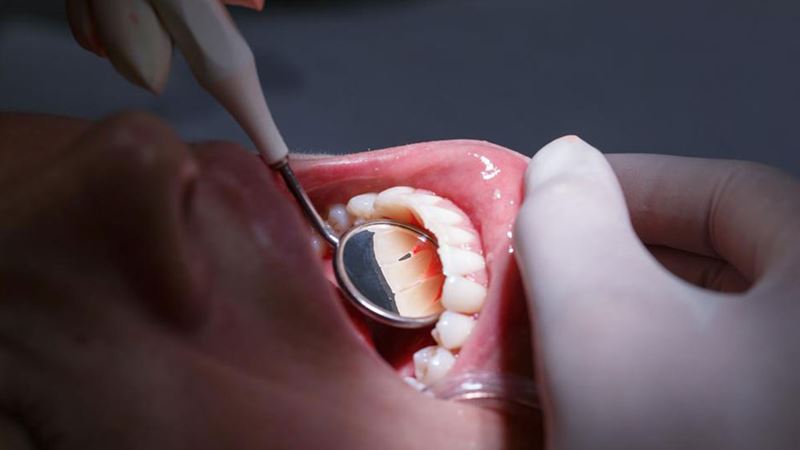
Gum recession is a common dental issue that can lead to increased tooth sensitivity, higher risk of root decay, and aesthetic concerns. While many believe that once gums recede, the damage is permanent, advancements in dental care have introduced various methods to halt and even reverse this condition. From natural remedies like dietary changes to advanced surgical procedures, there are multiple approaches to restore healthy gum tissue. Understanding these options is essential for maintaining optimal oral health and preventing further deterioration.
One of the notable natural approaches to combating gum recession involves dietary modifications, particularly incorporating antioxidant-rich foods and beverages. Among these, green tea has gained recognition for its numerous health benefits, including its positive effects on oral health. Regular consumption of green tea can not only improve overall gum health but can also delay or reverse early stages of gum recession if started promptly. Its high antioxidant content helps reduce inflammation, fight bacterial infections, and promote tissue repair, making it a valuable addition to your dental care regimen.
However, when recession has advanced beyond the point of natural healing, surgical intervention becomes necessary. Several surgical options are available, each tailored to the severity and specific circumstances of the gum tissue loss. Gum tissue grafting procedures are the most common and effective techniques used to restore lost gum tissue and protect roots from further exposure.
Gum tissue grafting includes three primary techniques: connective tissue graft, free gingival graft, and pedicle graft. The connective tissue graft is widely performed and involves harvesting a thin layer of tissue from the palate, which is then stitched to the exposed root area, encouraging new tissue growth and coverage. The procedure begins with the removal of a thin flap from the palate, which is then carefully stitched over the receding area after attaching it to the damaged gum tissue. This method promotes natural regeneration and a seamless appearance.
The free gingival graft differs slightly, as it involves removing a section of tissue directly from the roof of the mouth without creating a flap. This tissue is then transplanted onto the recession site to increase tissue volume and protect the roots. This technique is particularly effective for patients needing to augment the gum line with additional tissue.
Pedicle grafts are another option, especially suitable when ample gum tissue exists near the affected tooth. In this procedure, a flap of gum tissue is partially moved from a neighboring area and stitched over the exposed root, providing a natural, durable solution. Grafting from the adjacent gum tissue maintains blood supply, increasing the chances of successful tissue integration and longevity.
In more severe cases, where gum recession is accompanied by bone loss, regenerative procedures are performed. Regeneration treatments aim to stimulate the regrowth of both gum tissue and the underlying bone structure. During these surgeries, regenerative materials such as membrane barriers, growth factors, or grafts are applied to encourage natural healing processes. These procedures can be more invasive and may require a longer recovery period, but they offer the possibility of restoring both the gum and bone structures, safeguarding the tooth's stability.
Preventive measures, including maintaining excellent oral hygiene, avoiding harmful habits like smoking, and routine dental check-ups, play a crucial role in preserving gum health. Early detection of gum recession allows for less invasive interventions and better outcomes. Consulting with a dental specialist is advisable to determine the most suitable treatment plan based on individual needs and the extent of tissue loss.
Overall, managing gum recession involves a comprehensive approach that integrates natural remedies, good oral hygiene practices, and surgical options when necessary. By staying informed and proactive, you can effectively reverse or halt the progression of gum recession, ensuring long-term dental health and a confident smile.