
Comprehensive Guide to Gum Disease Treatments: Surgical and Non-Surgical Approaches
Explore comprehensive treatments for gum disease, from simple cleanings to advanced surgical procedures. Learn how early intervention can save your teeth and improve oral health. This guide details each option, helping you understand the best approaches for your periodontal condition to ensure long-term dental success and overall health.
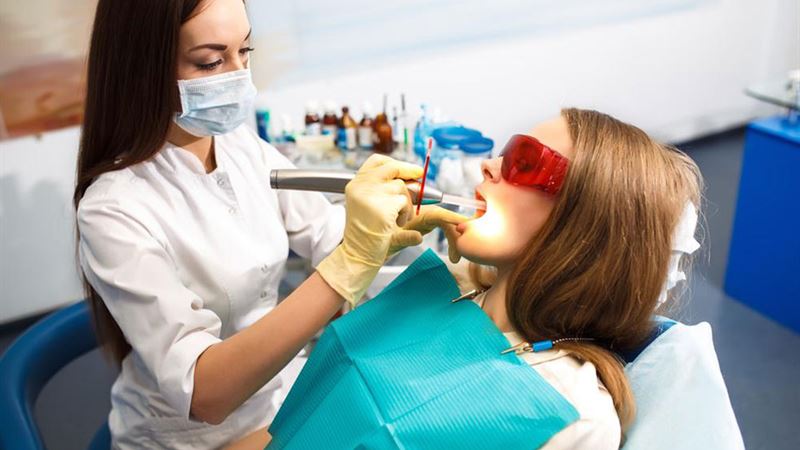
Gum disease, also known as periodontal disease, is a common oral health condition that affects the tissues supporting the teeth. Addressing gum disease promptly is essential to prevent tooth loss and systemic health complications. Treatments for gum disease range from simple non-invasive procedures to complex surgical interventions. Understanding these options helps patients make informed decisions in collaboration with their dental professionals. This comprehensive guide explores both non-surgical and surgical treatments available, detailing procedures, indications, and recovery considerations to ensure optimal oral health and preservation of your natural teeth.
- Preventive and Non-Surgical Treatments for Gum Disease
Preventive measures and non-invasive treatments form the first line of defense against gum disease. These approaches often effectively manage early-stage periodontal issues and help maintain overall oral health. Consistent dental care, proper oral hygiene practices, and professional interventions are crucial in this phase. - Professional Dental Cleaning
Routine professional cleanings, also known as prophylaxis, are vital in preventing gum disease. Dental hygienists remove plaque, tartar, and calculus buildup both above and below the gum line, areas that regular brushing cannot reach. Conducted ideally twice a year, these cleanings help keep periodontal pathogens in check, reducing inflammation and preventing progression. Regular cleanings are especially important for individuals with risk factors such as smoking, diabetes, or a history of periodontal disease. - Scaling and Root Planing (Deep Cleaning)
When signs of gum infection become evident, scaling and root planing are recommended. This procedure involves numbing the area locally, followed by meticulous removal of plaque and tartar from beneath the gum line and smoothing the tooth root surfaces. Smoothing the roots encourages reattachment of the gums and prevents bacterial invasion. Post-procedure care includes improved oral hygiene and possibly antimicrobial treatments to facilitate healing.
Understanding when non-surgical therapies are sufficient versus when surgical intervention is necessary is crucial for effective treatment. When tissues and bone are significantly affected, more invasive procedures may be required to restore health.
Surgical Options for Advanced Gum Disease
In cases where gum tissue and supporting bone are severely compromised, surgical procedures become necessary. These techniques aim to eliminate infection, restore lost tissue, and rebuild the supporting structures of the teeth, thereby preserving natural dentition and function.
- Flap Surgery and Pocket Reduction
Flap surgery involves lifting the gum tissue away from the teeth to access underlying tartar deposits. The dentist then carefully cleans the roots and may smooth out damaged bone surfaces. Once cleaned, the gum tissue is sutured back tightly around the teeth. This procedure reduces the depth of periodontal pockets—spaces between the gums and teeth where bacteria thrive—making subsequent cleaning more effective and reducing future infection risks. - Bone Grafting
Severe periodontitis can cause significant bone destruction, jeopardizing tooth stability. Bone grafting involves transplanting healthy bone tissue—either from the patient (autograft), a donor (allograft), or synthetic material—to regenerate lost bone. Over time, this process encourages new bone growth, restoring support and stability to affected teeth. Emerging tissue engineering techniques further expedite regeneration and improve outcomes. - Soft Tissue Grafts
Gum recession often exposes tooth roots, leading to sensitivity and aesthetic concerns. Soft tissue grafting involves harvesting tissue from the palate or other donor sites to reinforce thin gums or fill gaps left by receded tissue. These grafts promote healthier, thicker gum tissue, contribute to improved oral health, and enhance smile aesthetics. - Guided Tissue Regeneration (GTR)
When the alveolar bone supporting the teeth is extensively damaged, GTR procedures are performed. A biocompatible barrier membrane is inserted between the gum tissue and the bone to direct regeneration—preventing soft tissue from invading the space where new bone should form. Often performed alongside flap surgery, GTR significantly enhances bone regeneration, allowing for better long-term stability of the teeth.
Each surgical intervention is tailored to the individual’s specific periodontal condition, taking into account the severity of tissue loss and overall health. Post-operative care, including good oral hygiene practices and regular follow-up visits, is essential for successful healing and maintenance.
Maintaining periodontal health requires ongoing attention and professional guidance. Combining preventive measures with appropriate clinical interventions can effectively halt the progression of gum disease and restore oral functionality.