
Comprehensive Strategies for Stroke Prevention and Early Detection
This comprehensive guide explores effective methods to prevent strokes through managing risk factors like high blood pressure and cholesterol. It highlights early warning signs, lifestyle changes, and the importance of timely medical intervention, aiming to reduce stroke incidence and improve recovery outcomes. Understanding and implementing these strategies can significantly enhance health and life quality.
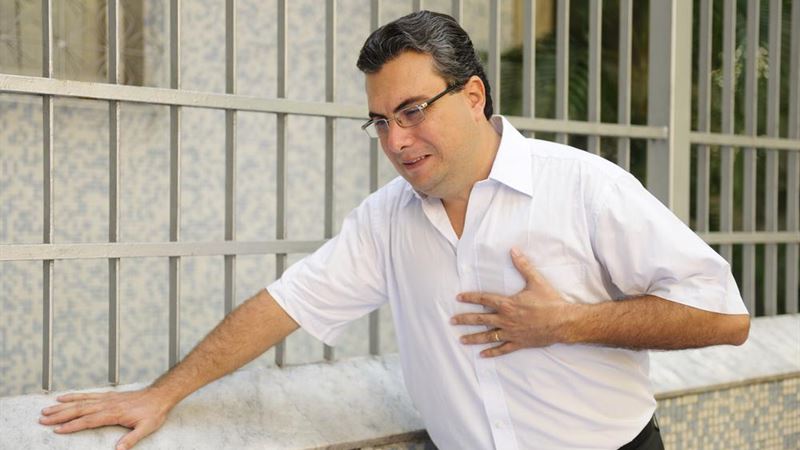
Stroke remains one of the leading causes of death and long-term disability worldwide. A significant portion of strokes can be prevented through proper management of risk factors and early recognition of warning signs. High blood pressure and elevated cholesterol levels are among the most critical contributors to stroke risk. Understanding the root causes of these conditions, their prevention, and how to detect early symptoms are essential steps in safeguarding health and maintaining quality of life. In this comprehensive guide, we delve into the details of stroke risk factors, preventive measures, early symptoms, and lifestyle modifications necessary for reducing stroke incidence and improving outcomes.
Understanding Stroke and Its Impact
A stroke occurs when the blood supply to a part of the brain is interrupted or reduced, depriving brain tissue of oxygen and nutrients. Without prompt treatment, brain cells begin to die, leading to potential long-term impairments such as paralysis, speech difficulties, cognitive deficits, and even death. The two main types of strokes are ischemic strokes, which account for approximately 87% of cases, caused by blood clots blocking arteries, and hemorrhagic strokes, caused by bleeding within the brain tissues. Beyond immediate health concerns, strokes can drastically affect an individual's independence, mental health, and overall quality of life. Therefore, proactive prevention and early diagnosis are crucial for minimizing these adverse effects.
Key Risk Factors for Stroke
Recognizing and managing the primary risk factors can greatly reduce the likelihood of experiencing a stroke. The most common and impactful factors include high blood pressure (hypertension), high cholesterol levels, diabetes mellitus, smoking, obesity, physical inactivity, and unhealthy diet. Some risk factors are modifiable through lifestyle adjustments, while others are genetic and require medical oversight. Let’s explore these core risk factors in detail:
- Hypertension (High Blood Pressure): Hypertension is often dubbed the 'silent killer' because it typically causes no symptoms but can lead to severe health complications. Blood pressure readings exceeding 140/90 mm Hg qualify as high blood pressure, and readings over 180/120 mm Hg are considered hypertensive crises requiring urgent care. Consistently elevated blood pressure strains blood vessels, including those supplying the brain, increasing the risk of both ischemic and hemorrhagic strokes. Factors contributing to hypertension include genetics, poor diet, obesity, chronic stress, inactivity, excessive sodium intake, and alcohol consumption.
- High Cholesterol Levels: Elevated levels of LDL cholesterol can lead to the buildup of plaques within arteries—a condition known as atherosclerosis. This process narrows and hardens blood vessels, impeding blood flow and increasing the risk of clots that can cause ischemic strokes. Diets rich in saturated fats, trans fats, sugars, and processed foods are primary contributors to high cholesterol. Regular screening and lifestyle modifications, including a heart-healthy diet, weight management, and medication if prescribed, are essential to maintaining optimal cholesterol levels.
- Diabetes Mellitus: Diabetes affects the body’s ability to regulate blood sugar levels, which can damage blood vessels over time. Diabetic individuals are at a heightened risk for stroke, especially if their blood glucose isn’t properly controlled. Managing diabetes involves a combination of medication, diet regulation, regular exercise, and monitoring blood sugar levels. Uncontrolled diabetes accelerates atherosclerosis and hypertension, further amplifying stroke risk.
- Obesity and Sedentary Lifestyle: Excess weight contributes to hypertension, high cholesterol, and diabetes, forming a trio of risk factors that synergistically increase the likelihood of stroke. Lack of physical activity worsens these conditions and weakens cardiovascular health. Engaging in regular aerobic exercise like walking, cycling, and swimming can help achieve healthy weight and blood pressure levels, significantly decreasing risk.
- Unhealthy Diet: Diets high in salt, saturated and trans fats, processed foods, and added sugars promote hypertension and high cholesterol. Conversely, diets rich in fruits, vegetables, whole grains, lean proteins, and healthy fats like omega-3 fatty acids support cardiovascular health. Dietary awareness and moderation are vital to prevent stroke.
- Smoking and Alcohol Consumption: Smoking damages blood vessel walls, promotes clot formation, and accelerates atherosclerosis, significantly elevating stroke risk. Quitting smoking has immediate and long-term benefits. Excessive alcohol intake can also raise blood pressure and contribute to clot formation, further increasing stroke risk. Moderation or abstinence from alcohol is recommended for optimal health.
- Stress and Mental Health: Chronic stress leads to sustained high blood pressure and other adverse health behaviors such as poor diet and substance abuse. Incorporating stress management techniques like meditation, yoga, and adequate sleep can mitigate these effects.
Preventive Strategies for Stroke
Prevention primarily involves managing the modifiable risk factors through lifestyle choices and, if necessary, medication. Regular health check-ups and screenings enable early detection of risk factors. Here are effective prevention strategies:
- Blood Pressure Control: Maintaining blood pressure below 130/80 mm Hg through diet, exercise, weight management, and medications if prescribed.
- Cholesterol Management: Following a heart-healthy diet, avoiding trans fats, and taking statins as recommended by healthcare providers.
- Blood Sugar Regulation: Monitoring and maintaining blood glucose within target ranges via diet, exercise, and medications.
- Healthy Weight and Physical Activity: Achieving and sustaining a healthy weight through regular exercise and balanced diet.
- Healthy Dietary Habits: Limiting salt, sugar, and unhealthy fats; increasing intake of fruits, vegetables, and whole grains.
- Cessation of Smoking and Limiting Alcohol: Quitting smoking and drinking alcohol in moderation.
- Stress Management: Incorporating relaxation techniques and ensuring sufficient sleep.
Recognizing Early Warning Signs of Stroke
Early intervention is critical in stroke management. Recognizing symptoms promptly can save lives and reduce long-term damage. The FAST method simplifies recognition by focusing on hallmark signs:
- F - Face drooping: One side of the face appears numb or droops, and the person may have difficulty smiling.
- A - Arm weakness: Weakness or numbness in one arm, which may drift downward when the person tries to raise both arms.
- S - Speech difficulty: Slurred speech, difficulty finding words, or inability to speak coherently.
- T - Time to call emergency services: Immediate medical attention is crucial if any of these signs are observed.
Additional signs to watch for include sudden confusion, severe headache, vision disturbances, loss of coordination, and weakness on one side of the body. Recognizing these symptoms and acting swiftly can be the difference between a full recovery and severe disability.
Post-Stroke Lifestyle Adjustments and Rehabilitation
Stroke survivors face ongoing health challenges that necessitate lifestyle modifications to prevent recurrence and promote recovery. These include adhering to prescribed medications, engaging in physical therapy, adopting a nutritious diet, managing blood pressure and cholesterol, quitting smoking, and controlling diabetes if present. Social support and psychological counseling can also aid in mental health recovery. Prevention and rehabilitation require a holistic approach, emphasizing physical health, mental well-being, and social connectivity for a better quality of life after a stroke.
Prevention and early detection of stroke are vital in reducing its devastating consequences. By understanding risk factors, making healthier lifestyle choices, and recognizing warning signs, individuals can take proactive steps to protect themselves and their loved ones. Regular screenings, diligent management of underlying conditions, and swift response to symptoms form the cornerstone of effective stroke prevention and management strategies.