
Comprehensive Overview of Lung Cancer: Statistics, Causes, and Prevention Strategies
This comprehensive article explores lung cancer in detail, focusing on its types, risk factors, early detection methods, and preventive strategies. It provides updated statistics, highlights the importance of lifestyle changes like smoking cessation, and discusses worldwide prevalence. With insights into diagnostic advances and targeted therapies, the piece emphasizes the importance of awareness and early intervention in reducing lung cancer's global impact. Essential reading for health professionals and the public seeking to understand and combat this prevalent disease.
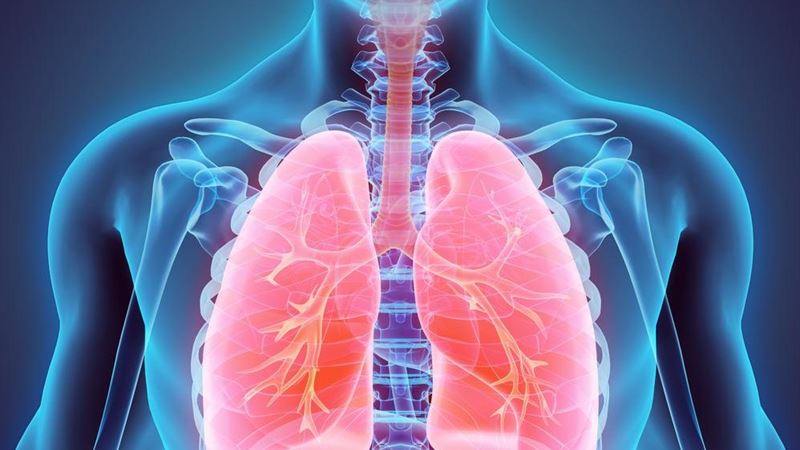
Lung cancer remains one of the most prevalent and deadly cancers worldwide. Among its various forms, non-small cell lung carcinoma (NSCLC) accounts for approximately 85% of all lung cancer cases. Due to its high incidence and mortality rate, understanding the disease’s fundamentals, risk factors, detection methods, and prevention strategies is crucial. This detailed article delves deep into the latest statistics, causative factors, diagnostic approaches, and prevention guidelines related to lung cancer, offering comprehensive insights for both healthcare professionals and the general public.
Lung cancer develops as a result of abnormal cellular mutations within the lung tissues. These genetic changes lead to uncontrolled cell proliferation, culminating in the formation of tumors. In its initial stages, lung cancer is often asymptomatic and difficult to detect through routine examinations. As the tumor enlarges, symptoms may become more apparent, prompting medical investigations that facilitate diagnosis and staging. Tumor classifications are based on parameters such as size, extent, lymph node involvement, and whether the disease has metastasized to distant organs. Accurate staging is essential because it influences both prognosis and the selection of appropriate treatment strategies.
Numerous factors contribute to the risk of developing lung cancer. While heredity, environmental toxins such as radon gas and asbestos, and air pollution play roles, tobacco smoking remains the dominant cause. Scientific research, including studies from renowned institutions like Johns Hopkins University and the American Medical Association, consistently demonstrates that a significant proportion of lung cancer cases could be prevented through behavioral modifications, particularly smoking cessation. Data indicates that individuals who smoke or have a history of smoking are at exponentially higher risk compared to non-smokers. This risk increases with the duration and intensity of tobacco use.
Routine screening is vital for early detection, especially among high-risk groups. Smokers over the age of fifty, or those with additional risk factors, should undergo chest imaging, such as low-dose computed tomography (LDCT), at least biennially. Early detection significantly improves treatment outcomes and survival rates. The national guidelines emphasize regular screening in this subset for effective identification of asymptomatic lung cancers before they advance to incurable stages.
Lung cancer constitutes nearly 14% of all new cancer diagnoses globally. Although it affects both genders, statistical data indicates a slightly higher prevalence in men. Over a lifetime, the probability of men developing lung cancer is approximately 1 in 14, while for women, it's approximately 1 in 17. Smokers of either gender face a dramatically elevated risk—about 23 times higher in men and 13 times higher in women—highlighting smoking as the most significant modifiable risk factor.
Additionally, disparities exist based on race and age. The American Cancer Society reports that black men are about 20% more likely to develop lung cancer than their white counterparts. Age is another critical factor, with two-thirds of new cases diagnosed in individuals over 65 years old. Conversely, less than 2% of new diagnoses occur in people younger than 45, underscoring the impact of cumulative exposure and aging-related biological changes. The disease predominantly afflicts the elderly due to prolonged exposure to risk factors and a decline in immune surveillance.
Looking at the global landscape, lung cancer stands as the leading cancer type in both men and women. The year 2012 saw nearly 1.8 million new cases and approximately 1.6 million deaths worldwide. Certain countries exhibit notably higher rates of lung cancer incidence. For instance, Hungary and Serbia report the highest rates among men, while Denmark, Canada, and the United States lead in female cases. The differing prevalence patterns often reflect variations in smoking habits, occupational exposures, air quality, and healthcare infrastructure across regions.
Preventive measures play a vital role in reducing the incidence and mortality of lung cancer. Quitting smoking is the most effective step toward risk reduction, accompanied by minimizing exposure to known carcinogens such as radon and asbestos. Public health campaigns worldwide emphasize the importance of lifestyle modifications, early screening programs, and policy initiatives designed to lower environmental hazards. Innovative approaches in diagnosis and treatment, like targeted therapies and immunotherapy, are also transforming patient outcomes, making early detection and prevention more critical than ever.
In conclusion, lung cancer remains a global health challenge with significant morbidity and mortality. Awareness about risk factors, early detection through regular screening, and lifestyle changes are crucial components of a comprehensive strategy to combat this disease. Advances in medical research continually improve treatment options, offering hope for better survival and quality of life for patients worldwide. Efforts from healthcare providers, policymakers, and individuals must synergize to reduce the burden of lung cancer and save lives.