
Expert Guidance on Preparing and Using Frozen Puff Pastry for Delicious Baked Goods
Discover expert tips for selecting, storing, and handling frozen puff pastry to craft exquisite baked goods. This comprehensive guide explores the best brands, proper thawing techniques, and creative recipes for savory and sweet dishes. Learn to bake bakery-quality pastries at home with ease, impressing guests or enjoying delicious treats anytime. From initial shopping to finishing touches, elevate your baking skills and enjoy versatile puff pastry creations that delight every palate.
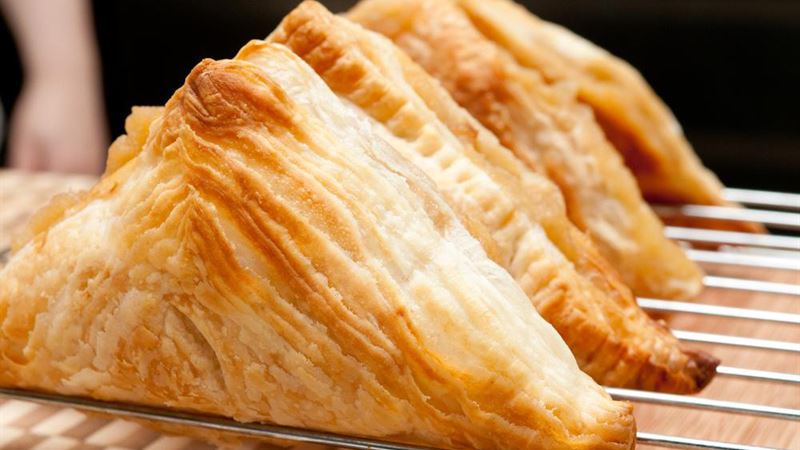
Frozen puff pastry is a versatile ingredient that elevates any home baking occasion. Whether you're preparing for a casual family dinner or hosting an elegant party, knowing how to properly select, store, and handle puff pastry can make all the difference in your baked creations. This comprehensive guide takes you through essential tips for choosing quality puff pastry, storing it correctly, thawing procedures to preserve its flaky texture, and creative recipes that will impress your guests. Dive into expert advice that transforms simple puff pastry into gourmet treats.
Choosing the Right Puff Pastry for Your Needs
When shopping for puff pastry, it's important to select a product that matches your culinary goals. The market offers several reputable brands, each with its unique ingredients and qualities. The primary options include all-butter puff pastry and shortening-based varieties. Brands like Dufour and Trader Joe's offer all-butter puff pastry, which is favored by many chefs for its rich flavor and traditional flaky layers. Conversely, Pepperidge Farm produces puff pastry made with vegetable shortening, providing a slightly different texture and flavor profile. Your choice depends on your preference for natural butter flavor versus a more neutral base that can be flavored extensively later.
Packages typically weigh around 1 pound, containing either one large sheet or two smaller sheets. A single sheet is generally sufficient for individual tarts or small appetizers serving four to six people, while multiple sheets can be combined for larger pies or multiple servings. When planning your recipes, always consider the size of the sheets and your specific needs to avoid waste.
If your package includes a large sheet and your recipe requires just a portion, it’s advisable to carefully cut the sheet into manageable sections, then wrap and freeze the leftovers for future use. Proper storage ensures the pastry remains pristine until you're ready to bake.
It’s crucial to avoid confusing puff pastry with phyllo dough, as they differ significantly in texture and application. While both are stored in similar freezer environments and may look alike, puff pastry comprises thicker, layered sheets designed to rise during baking, whereas phyllo is extremely thin and delicate. For recipes requiring the characteristic puff from layers, puff pastry is the superior choice, providing an airy, flaky result that phyllo cannot achieve.
When shopping for puff pastry, it's important to select a product that matches your culinary goals. The market offers several reputable brands, each with its unique ingredients and qualities. The primary options include all-butter puff pastry and shortening-based varieties. Brands like Dufour and Trader Joe's offer all-butter puff pastry, which is favored by many chefs for its rich flavor and traditional flaky layers. Conversely, Pepperidge Farm produces puff pastry made with vegetable shortening, providing a slightly different texture and flavor profile. Your choice depends on your preference for natural butter flavor versus a more neutral base that can be flavored extensively later.
Packages typically weigh around 1 pound, containing either one large sheet or two smaller sheets. A single sheet is generally sufficient for individual tarts or small appetizers serving four to six people, while multiple sheets can be combined for larger pies or multiple servings. When planning your recipes, always consider the size of the sheets and your specific needs to avoid waste.
If your package includes a large sheet and your recipe requires just a portion, it’s advisable to carefully cut the sheet into manageable sections, then wrap and freeze the leftovers for future use. Proper storage ensures the pastry remains pristine until you're ready to bake.
It’s crucial to avoid confusing puff pastry with phyllo dough, as they differ significantly in texture and application. While both are stored in similar freezer environments and may look alike, puff pastry comprises thicker, layered sheets designed to rise during baking, whereas phyllo is extremely thin and delicate. For recipes requiring the characteristic puff from layers, puff pastry is the superior choice, providing an airy, flaky result that phyllo cannot achieve.
Proper Preparation and Handling of Frozen Puff Pastry
To achieve optimal results, proper thawing is essential. Frozen puff pastry should be thawed gradually in the refrigerator overnight, which allows the fat layers within the dough to soften evenly, ensuring the final pastry is flaky and tender. Alternatively, if you're pressed for time, thaw it at room temperature for about an hour. It’s important not to rush the process by microwaving or leaving it at room temperature too long, as this can affect its texture and cause uneven thawing.
When ready to use, gently unfold the puff pastry sheets, taking care not to tear the delicate layers. If the dough resists unfolding or feels sticky, lightly dampen your fingertips with water and gently coax it open. This technique prevents breakage and maintains the integrity of the layers.
To prevent sticking during rolling, dust your work surface and rolling pin lightly with flour or use a specialized rolling pin with a non-stick surface. Roll the pastry to your desired thickness, typically about 1/8 to 1/4 inch, depending on the recipe. Keep in mind that handling the dough with care preserves the crispiness and rise once baked.
Before adding fillings or toppings, consider chilling the shaped pastry for a few minutes in the refrigerator. This helps the layers set and prevents shrinkage in the oven, resulting in a beautifully flaky crust.
Whether you’re preparing a savory tart, puff pastry pinwheels, or sweet desserts like Danish pastries, these steps ensure a professional-quality finish every time. With practice, handling frozen puff pastry becomes second nature, allowing you to swiftly produce bakery-quality dishes from the comfort of your home kitchen.
To achieve optimal results, proper thawing is essential. Frozen puff pastry should be thawed gradually in the refrigerator overnight, which allows the fat layers within the dough to soften evenly, ensuring the final pastry is flaky and tender. Alternatively, if you're pressed for time, thaw it at room temperature for about an hour. It’s important not to rush the process by microwaving or leaving it at room temperature too long, as this can affect its texture and cause uneven thawing.
When ready to use, gently unfold the puff pastry sheets, taking care not to tear the delicate layers. If the dough resists unfolding or feels sticky, lightly dampen your fingertips with water and gently coax it open. This technique prevents breakage and maintains the integrity of the layers.
To prevent sticking during rolling, dust your work surface and rolling pin lightly with flour or use a specialized rolling pin with a non-stick surface. Roll the pastry to your desired thickness, typically about 1/8 to 1/4 inch, depending on the recipe. Keep in mind that handling the dough with care preserves the crispiness and rise once baked.
Before adding fillings or toppings, consider chilling the shaped pastry for a few minutes in the refrigerator. This helps the layers set and prevents shrinkage in the oven, resulting in a beautifully flaky crust.
Whether you’re preparing a savory tart, puff pastry pinwheels, or sweet desserts like Danish pastries, these steps ensure a professional-quality finish every time. With practice, handling frozen puff pastry becomes second nature, allowing you to swiftly produce bakery-quality dishes from the comfort of your home kitchen.
Innovative Recipes and Usage Ideas for Puff Pastry
The versatility of puff pastry lends itself to a wide range of culinary creations, from simple appetizers to impressive main courses and decadent desserts. Here are some ideas to inspire your baking adventures.
For savory dishes, consider making cheese and herb straws, miniature quiches, or savory tarts filled with vegetables, meats, or seafood. These can be assembled quickly by layering fillings onto the pastry sheet, folding or shaping as desired, and baking until golden and crisp. For a more elaborate presentation, try making puff pastry vol-au-vents—small, hollowed pastry shells filled with rich sauces, mushrooms, or seafood.
Sweet lovers can indulge in cinnamon sugar twists, fruit danishes, or apple turnovers. Fill the pastry with a mixture of fresh fruit, jam, or custard, fold or roll into your preferred shape, brush with egg wash, and bake to perfection. Using powdered sugar or glaze adds a finishing touch that makes these treats truly special.
Baking tips include pre-baking the pastry at high heat to create a crisp base, especially for open-faced tarts, or adding a layer of cheese or butter to enhance flavor and texture. For a gluten-free option, consider experimenting with alternative flours or recipes that incorporate puff pastry made with special gluten-free ingredients.
Additionally, puff pastry can be used creatively beyond traditional baking. Turn it into savory finger foods by cutting it into strips and twisting them into attractive shapes. Use it as a wrapper for entrées like beef Wellington, or create miniature pizza pockets with your favorite toppings. The possibilities are endless, limited only by your culinary imagination.
Mastering the handling and creative use of puff pastry opens avenues to improve your cooking and baking skills, impress friends and family, and elevate your home menus to a new level. With a little practice, you will be able to craft visually stunning, flavorful dishes that stand out at any occasion.
The versatility of puff pastry lends itself to a wide range of culinary creations, from simple appetizers to impressive main courses and decadent desserts. Here are some ideas to inspire your baking adventures.
For savory dishes, consider making cheese and herb straws, miniature quiches, or savory tarts filled with vegetables, meats, or seafood. These can be assembled quickly by layering fillings onto the pastry sheet, folding or shaping as desired, and baking until golden and crisp. For a more elaborate presentation, try making puff pastry vol-au-vents—small, hollowed pastry shells filled with rich sauces, mushrooms, or seafood.
Sweet lovers can indulge in cinnamon sugar twists, fruit danishes, or apple turnovers. Fill the pastry with a mixture of fresh fruit, jam, or custard, fold or roll into your preferred shape, brush with egg wash, and bake to perfection. Using powdered sugar or glaze adds a finishing touch that makes these treats truly special.
Baking tips include pre-baking the pastry at high heat to create a crisp base, especially for open-faced tarts, or adding a layer of cheese or butter to enhance flavor and texture. For a gluten-free option, consider experimenting with alternative flours or recipes that incorporate puff pastry made with special gluten-free ingredients.
Additionally, puff pastry can be used creatively beyond traditional baking. Turn it into savory finger foods by cutting it into strips and twisting them into attractive shapes. Use it as a wrapper for entrées like beef Wellington, or create miniature pizza pockets with your favorite toppings. The possibilities are endless, limited only by your culinary imagination.
Mastering the handling and creative use of puff pastry opens avenues to improve your cooking and baking skills, impress friends and family, and elevate your home menus to a new level. With a little practice, you will be able to craft visually stunning, flavorful dishes that stand out at any occasion.