
Masterful Techniques for Maximizing Your Puff Pastry Creations
Discover expert techniques for using puff pastry effectively, from achieving a glossy finish and baking at perfect temperatures to reusing leftovers creatively. Elevate your baking skills and create bakery-quality treats with these comprehensive tips, ensuring your puff pastry dishes are always delightful, flaky, and visually appealing. Perfect for both beginners and seasoned bakers, this guide offers practical advice to enhance every puff pastry creation for impressive presentations and irresistible flavors.
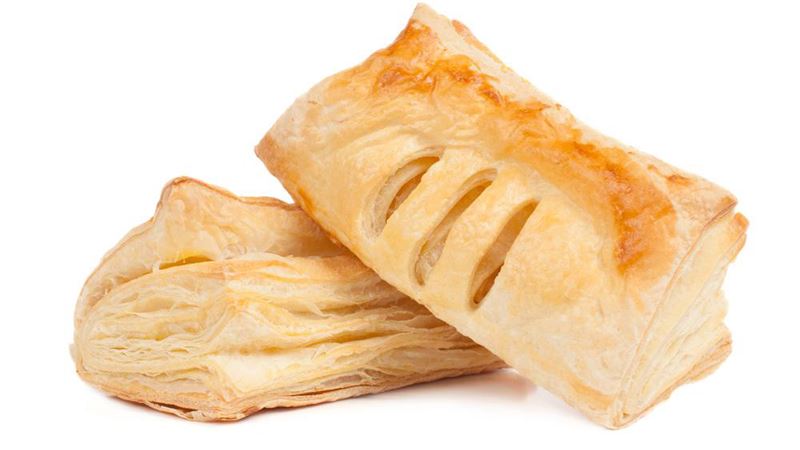
Puff pastry is a delicate and versatile pastry that offers endless culinary possibilities, but handling it properly is essential to achieving restaurant-quality results. Due to its fragile nature, you should avoid overloading puff pastries with liquids or sticky fillings, which can compromise their flaky layers. Proper preparation and handling will help you create stunning baked goods that impress every time. In this comprehensive guide, we will walk you through advanced tips and tricks to utilize puff pastry to its fullest potential, whether you're baking sweet treats or savory appetizers.
Optimal Preparation for Perfect Appearance
One of the most noticeable aspects of an appealing puff pastry is its glossy, golden surface. To achieve this appetizing shine, prepare a simple egg wash by lightly beating a large egg and mixing in a teaspoon of water. Use a pastry brush to gently apply this mixture to your pastry before baking. The egg wash not only enhances the visual appeal but also acts as a natural adhesive, helping layers to stick together securely and creating a smooth, shiny finish. For an extra glossy effect, you can add a small amount of milk or cream to the egg wash, but be mindful not to use too much, as it may affect browning. Ensuring that the layers are pressed together softly after applying the egg wash helps maintain the pastry’s distinct layers while preventing the layers from separating during baking.
Strategic Baking Tips for Freshness and Convenience
Baking puff pastries at the right temperature and in the right quantities is crucial for achieving light, airy, and flaky results. It's best to bake puff pastries in small batches immediately before serving, especially if you want that perfect crispiness and freshness. Hot, freshly baked puff pastries are always more enticing; however, many recipes allow for preparation in advance. Puff pastry can be stored uncooked, tightly wrapped, and frozen for up to two weeks. When ready to bake, defrost it properly in the refrigerator and then bake according to the recipe instructions. If your baked puff pastry becomes soggy after filling and storing, it can be revived by placing it in a preheated oven for a few minutes—the high heat will restore its crisp texture. To prevent sogginess, consider baking your toppings separately or adding moisture just before serving.
Utilizing Leftover Puff Pastry
Wasted puff pastry scraps are often unavoidable, but they shouldn't be discarded casually. Instead, get creative by repurposing leftover pieces into delicious snacks like palmiers, cheese straws, or even mini tartlets. Roll out the scraps, brush with butter or egg wash, and sprinkle with cinnamon, herbs, or cheese, depending on your desired flavor profile. While leftover pastry may not puff up as dramatically during baking and can appear uneven, this minor imperfection won't detract from the overall presentation of your small baked goods. These treats make excellent use of bits and pieces and are perfect for snacks or appetizers. Always store unused pastry in a sealed container or wrap tightly to maintain freshness until the next baking session.
Additional Tips for Elevating Your Puff Pastry Creations
Experiment with different fillings, from sweet fruit preserves and custards to savory cheese, meats, and vegetables. For added flavor, brushing the pastry with garlic butter or herb-infused oils before baking elevates the final product. When making layered or topped pastries, ensuring even distribution of fillings not only improves aesthetics but also prevents sogginess. Using parchment paper or silicone baking mats helps in achieving even baking and easy cleanup. For extra visual impact, consider piping designs with colored egg washes or pastry creams. Properly cooled puff pastries look attractive and are easier to handle, especially when assembling layers or applying finishing touches such as glazes or icing.
In Summary
Mastering puff pastry requires attention to detail and precise techniques, but with practice, you can create bakery-quality dishes at home. Remember to handle the pastry gently, use egg wash for a shiny finish, bake in small batches, and reheat to revive crispiness. Don’t forget that leftover scraps are perfect for quick, delicious snacks. With these tips and strategies, you can elevate your puff pastry skills to impress family and friends, enhance your culinary repertoire, and enjoy delicious baked goods any time.