
Comprehensive Guide to Managing Urinary Incontinence in Women
This detailed guide explores urinary incontinence in women, covering causes, diagnosis, and comprehensive treatment strategies. From physical exams and laboratory tests to lifestyle changes and exercise routines, learn how to manage and overcome this common condition effectively. The article emphasizes early diagnosis and tailored treatment plans to improve quality of life for affected women, highlighting that with proper care, urinary incontinence is a manageable health issue.
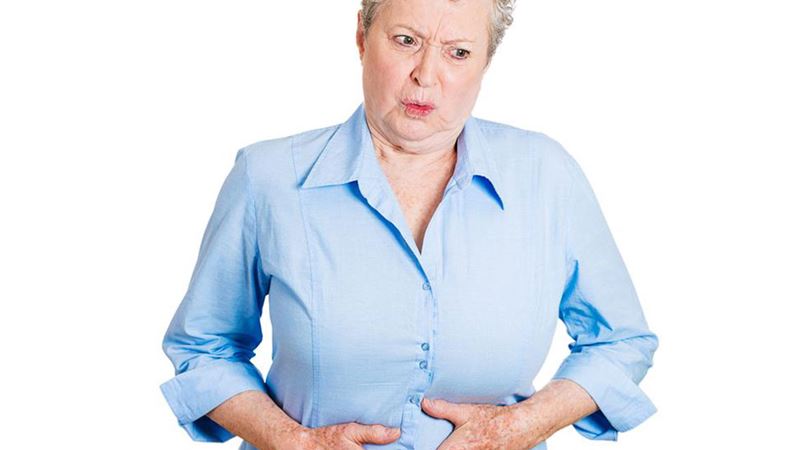
- Initial physical assessments often involve pelvic or rectal examinations to evaluate muscle strength and check for any stool obstruction that might contribute to symptoms. These examinations help clinicians understand the muscular support around the bladder and rectal areas.
- To gather detailed medical history, health professionals will inquire about your dietary habits, medication intake, previous urinary issues, accidental urine leakage episodes, and any ongoing treatments. This information helps in pinpointing potential causes and tailoring appropriate treatment plans.
- Urinalysis is a vital diagnostic test that detects the presence of proteins, blood, or infections in the urine, providing crucial insights into possible causes of urinary incontinence. It helps differentiate between various urinary disorders and guides further testing.
- Urodynamic studies measure the function of the bladder and urethra, assessing how well the urinary system stores and releases urine. These tests are instrumental in diagnosing the type and severity of incontinence.
- Blood tests can reveal underlying conditions such as chemical imbalances, kidney dysfunction, or other systemic issues that might affect bladder control and overall urinary health.
Treatment Options for Urinary Incontinence in Women
Addressing urinary incontinence involves a multi-faceted approach combining medication, lifestyle adjustments, and sometimes surgical intervention.
- Medications prescribed by healthcare professionals aim to treat the root causes, such as infections, injuries, or spasms affecting the bladder. These may include antibiotics, antispasmodics, or other drugs specific to the condition.
- Lifestyle and dietary modifications play a significant role in managing symptoms. Increasing dietary fiber helps prevent constipation, which can exert pressure on the bladder. Reducing intake of caffeine, alcohol, and acidic foods minimizes bladder irritation. Maintaining a healthy weight reduces pressure on the pelvic region. Proper hydration ensures healthy bladder function without overdistention.
- Pelvic floor muscle strengthening exercises, such as Kegel exercises, are highly effective in improving muscle tone and prevent future episodes of incontinence. Regular practice can enhance bladder support and control.
- In some cases, surgical procedures or device implants may be necessary for severe or persistent incontinence that does not respond to conservative measures. These options are discussed thoroughly with a healthcare provider.
Urinary incontinence may cause significant discomfort and affect quality of life, but timely and appropriate treatment can greatly improve symptoms. Awareness and proactive management are keys to maintaining healthy bladder function.