
Comprehensive Guide to Foods Supporting Bladder Health and Control
Discover effective dietary strategies to support bladder health and manage control issues. This comprehensive guide highlights anti-inflammatory foods, avoids irritants like citrus, emphasizes plant-based proteins, and suggests soothing beverages. Proper nutrition can relieve symptoms, improve bladder function, and enhance quality of life. Learn about the best foods, drinks, and lifestyle tips to maintain optimal urinary health. Perfect for individuals seeking natural ways to support bladder control and reduce discomfort, this article provides detailed dietary advice backed by health principles.
Maintaining bladder health is essential for overall well-being, especially for individuals experiencing bladder control challenges. Nutrition plays a pivotal role in managing symptoms and improving bladder function. This detailed guide explores the best dietary choices to support bladder health, emphasizing foods to include and avoid for optimal control and comfort. From plant-based proteins to specific fruits and beverages, discover how your diet can influence bladder health positively.
Plant-Based Proteins and Legumes
Incorporating a variety of plant-derived proteins is beneficial for bladder health. Legumes such as black beans, chickpeas, kidney beans, split peas, lentils, peanuts, and pumpkin seeds are excellent sources full of fiber, minerals, and phytochemicals. These foods not only support digestion but also reduce inflammation and irritation in the bladder. Replacing refined carbohydrates with these nutrient-dense options can significantly improve symptoms and overall bladder function. Consuming beans and seeds regularly as part of your meals provides sustained energy without affecting bladder sensitivity.
Fruits and Vegetables: The Do's and Don'ts
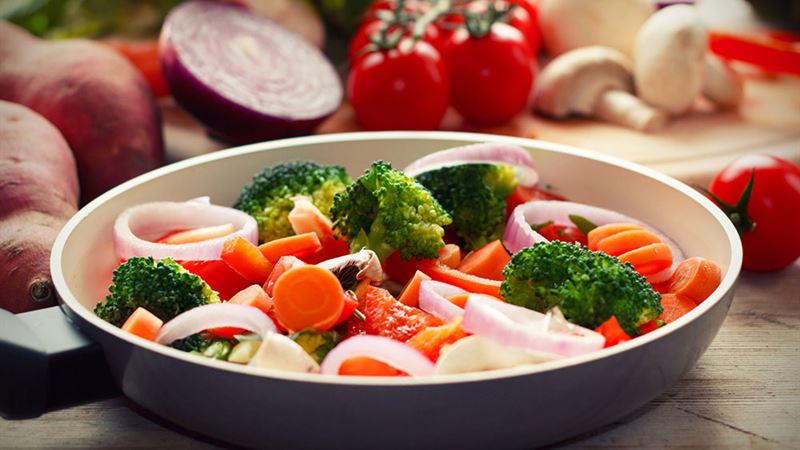
Certain fruits and vegetables influence bladder health profoundly. Non-citrus produce options like sweet potatoes with their skin, broccoli, pears, green beans, winter squash, and peas are highly recommended because they are gentle on the bladder and rich in essential nutrients. Conversely, citrus fruits such as lemons, oranges, grapefruits, limes, and citrons contain acids that can irritate the bladder lining, triggering symptoms. Avoiding these citrus varieties helps in reducing flare-ups. Incorporating non-acidic, nutrient-dense produce into your daily diet promotes better bladder control and reduces discomfort.
Lean Meats and Omega-3 Rich Fish
For individuals who consume animal products, selecting lean meats like chicken, turkey, and fish is beneficial. Fish such as mackerel, salmon, shellfish, and tuna are rich in omega-3 fatty acids, which possess anti-inflammatory properties that can soothe bladder tissues. These fats also support cardiovascular health. If fish isn’t part of your diet, consider plant-based alternatives like flax seeds and a variety of nuts that provide healthy fats. Including these proteins in your meals can help maintain bladder health and prevent irritation caused by inflammatory processes.
Whole Grains: Oats, Oatmeal, and Homemade Bread
Whole grains are excellent staples for a bladder-friendly diet. Oats, oatmeal, and homemade bread made from whole wheat flour are fiber-rich, aiding digestion and preventing constipation, which can put pressure on the bladder. These foods are gentle on the gastrointestinal system and help maintain regular bowel movements, reducing strain on the bladder. Their slow digestion process ensures a feeling of fullness sustained over hours, making them ideal for supporting bladder function throughout the day.
Eggs and Dairy: Nourishing Sources of Healthy Fats
Eggs and cheese are excellent everyday choices for bladder health. They supply monosaturated fats, which are beneficial for maintaining cardiovascular health and providing lasting satiety. These proteins are non-acidic, meaning they do not irritate the bladder lining. Including eggs and dairy products such as cheese and yogurt in your diet can help balance nutrients and promote overall bladder well-being. They contribute to maintaining the body's nutritional needs without adverse effects on bladder sensitivity.
Soothing Beverages: Honey, Chamomile, and Peppermint Tea
Certain drinks can alleviate bladder discomfort and support relaxation. Honey, when consumed in moderation, can soothe the digestive and urinary tracts, especially if taken with warm water in the morning. Herbal teas such as chamomile and peppermint are widely recognized for their calming effects on the bladder. Chamomile tea helps reduce inflammation and relaxes the bladder muscles, while peppermint tea alleviates spasms and soothes irritations. Drinking these herbal infusions before bedtime can improve sleep quality and decrease nighttime bathroom needs, enhancing quality of life for those with bladder control issues.
In conclusion, adopting a diet rich in non-irritating, nutrient-dense, and anti-inflammatory foods can significantly improve bladder health. Carefully selecting what you eat and drink can help reduce symptoms, prevent flare-ups, and promote a comfortable urinary experience. Consult with a healthcare professional or a registered dietitian to tailor these recommendations to your specific needs for optimal results.