
Comprehensive Guide to Diverticulitis: Causes, Symptoms, and Effective Treatment Strategies
This comprehensive guide explores the causes, symptoms, and various treatment options for diverticulitis. It emphasizes the importance of early diagnosis, lifestyle changes, dietary management, and when to seek surgical intervention. Aimed at helping individuals understand the condition better, the article provides insights into preventive measures and home remedies to manage symptoms effectively and reduce the risk of future episodes.
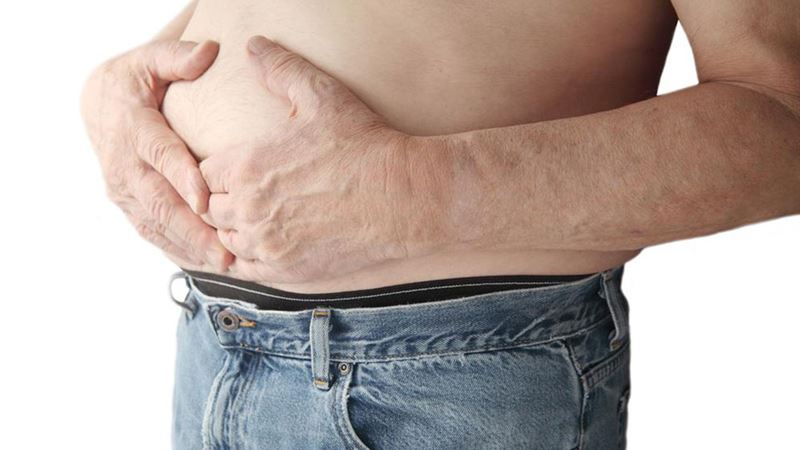
Understanding Diverticulitis: Causes, Symptoms, and Treatment Options
Diverticulitis is a digestive condition characterized by the inflammation or infection of small pouches called diverticula that develop along the walls of the large intestine. Often caused by a combination of dietary habits, aging, and other health factors, diverticulitis can lead to significant discomfort and potential complications if not properly managed. Recognizing the causes, symptoms, and available treatments for diverticulitis is vital for effective management and prevention of future episodes.
The Underlying Causes of Diverticulitis
Understanding what leads to diverticulitis involves exploring various risk factors and physiological processes. Typically, diverticulitis results when small, bulging pouches forming in the lining of the colon, known as diverticula, become inflamed or infected. These diverticula are often the result of increased pressure within the colon, which can stem from a low-fiber diet, chronic constipation, or other lifestyle factors.
Diet plays a crucial role in the development of diverticulitis. A diet lacking in fiber causes the stool to become hard and difficult to pass, increasing pressure on the colon walls. Over time, this pressure can cause weak spots in the colon lining to bulge outward, forming diverticula. If these pouches trap bacteria or undigested food particles, infection and inflammation can occur, leading to diverticulitis.
Age is another significant factor; the prevalence of diverticulosis and subsequent diverticulitis tends to increase with advancing age due to weakening of the colon wall. Additional risk factors include obesity, lack of physical activity, smoking, and certain medications like non-steroidal anti-inflammatory drugs (NSAIDs) and steroids, which can weaken intestinal walls.
Genetics may also play a role, with some individuals genetically predisposed to developing diverticulitis. Furthermore, chronic conditions such as connective tissue disorders can predispose individuals to developing diverticula and inflamed intestinal segments.
Signs and Symptoms of Diverticulitis
Recognizing the symptoms of diverticulitis is essential for early diagnosis and treatment. The hallmark symptom is abrupt, intense pain in the lower left abdomen, which can sometimes radiate to other parts of the abdomen or groin. This pain often intensifies over time and may be accompanied by several other signs:
- Persistent nausea and vomiting
- Diarrhea or alternating episodes of diarrhea and constipation
- Unusual bloating or excessive gas
- Rectal bleeding, sometimes noticeable as blood in stool
- Fever and chills indicating possible infection
- Abdominal tenderness or swelling
If you experience any combination of these symptoms, seeking immediate medical attention is crucial. Proper diagnosis usually involves physical examination, blood tests such as complete blood count (CBC) to detect infection, and imaging tests like a computed tomography (CT) scan to visualize the colon and identify inflammation or abscesses.
Being vigilant about early signs can prevent complications such as abscess formation, perforation, or peritonitis, which require more invasive treatments.
Effective Treatment Options for Diverticulitis
Handling diverticulitis effectively depends on the severity of your condition. The initial approach usually involves restoring bowel rest and reducing colon pressure to allow inflammation to heal. Dietary modifications are fundamental; typically, patients are advised to stick with a liquid or low-fiber diet during the acute phase. This minimizes stool bulk and eases the burden on the colon.
Once symptoms subside, gradually reintroducing solid foods, particularly high-fiber items, can promote regular bowel movements and prevent future episodes. Long-term dietary management includes increasing fiber intake through fruits, vegetables, whole grains, and legumes to improve digestive health and reduce colon pressure.
In cases of severe infection or complications such as abscesses, doctors may prescribe antibiotics to combat bacterial invasion. Antibiotic therapy typically lasts a week or more, depending on the extent of infection. Sometimes, hospitalization is necessary for IV antibiotics and close monitoring.
For persistent or recurrent diverticulitis, surgical intervention may become necessary. Surgical options include removing the affected segment of the colon (such as sigmoidectomy) to eliminate diseased tissue and prevent further episodes. Surgery is generally considered when complications like perforation, fistula formation, or repeated attacks occur.
Home remedies can also help manage mild symptoms and alleviate discomfort. Applying a warm heating pad to the abdomen can reduce cramping and bloating. Relaxation techniques, including deep breathing exercises, meditation, and gentle yoga, can help ease stress and muscle tension that may exacerbate symptoms.
While lifestyle changes are crucial for managing diverticulitis, persistent pain or worsening symptoms require ongoing medical evaluation. In some cases, the condition may lead to the development of abscesses or other complications that demand prompt surgical treatment.
Prevention strategies focus heavily on adopting a healthy lifestyle—namely, a high-fiber diet, regular physical activity, adequate hydration, and avoiding smoking and unnecessary medications that can weaken the colon walls. Monitoring and managing other health conditions such as obesity and chronic constipation are also essential in reducing the risk of recurrences.
In summary, diverticulitis is a manageable condition with proper diagnosis, timely treatment, and lifestyle modifications. Recognizing early symptoms and understanding the underlying causes can significantly improve outcomes and quality of life for affected individuals.