
Comprehensive Guide to Recognizing and Managing Meningitis in Children
This comprehensive guide explores the causes, symptoms, diagnosis, and treatment of meningitis in children. It emphasizes early recognition and preventive strategies, particularly vaccination, to reduce severe complications and ensure rapid treatment. Understanding the differences between bacterial and viral meningitis helps caregivers take prompt action to protect their children’s health effectively, thereby improving recovery rates and reducing long-term risks associated with this serious disease.
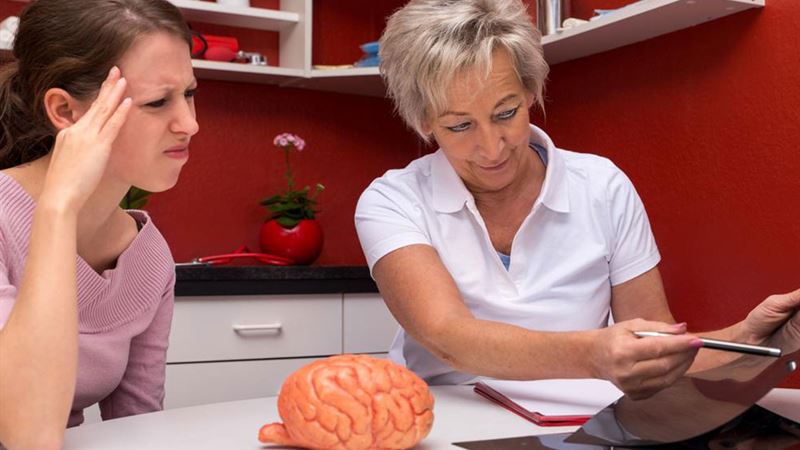
Meningitis remains a critical health concern among children worldwide, often requiring prompt identification and treatment to prevent severe health consequences. It is an inflammation of the membranes surrounding the brain and spinal cord, which can be caused by bacteria, viruses, fungi, or parasites. Among these, bacterial and viral meningitis are the most prevalent in children, each with distinct characteristics, symptoms, and treatment protocols.
Bacterial meningitis is regarded as a medical emergency because it can progress rapidly and leads to serious complications if not treated promptly. It spreads through droplets from the nose and throat during close contact with infected individuals, such as family members, schoolmates, or in crowded environments like daycare centers. The primary bacteria responsible for bacterial meningitis in infants include Group B Streptococcus, Escherichia coli, and Listeria monocytogenes. As children grow older, Streptococcus pneumoniae (pneumococcus) and Neisseria meningitidis (meningococcus) tend to be the main culprits.
Unaddressed bacterial meningitis can result in devastating outcomes such as permanent brain damage, deafness, epilepsy, or even death. Recognizing early symptoms and seeking immediate medical attention are essential for better prognosis. The severity of the disease underscores the importance of vaccination and preventive measures.
Contrarily, viral meningitis, which accounts for the majority of meningitis cases in children, generally presents a milder clinical course. It typically resolves on its own without specific antiviral therapies, although supportive care is important. Since antibiotics are ineffective against viruses, the focus is on alleviating symptoms and maintaining hydration and rest.
Viral meningitis often results from enteroviruses, notably the group called enteroviruses, responsible for many stomach-related illnesses. It tends to spread more readily among children living in close quarters, such as schools, dormitories, or families with multiple children. Common viral symptoms mimic those of other viral infections, making clinical diagnosis challenging without laboratory tests.
Understanding the symptoms of meningitis in children can be pivotal for early detection. Because early signs tend to resemble flu-like symptoms, parents and caregivers must remain vigilant. This comprehensive guide aims to provide detailed insights into the signs, diagnosis, preventive strategies, and treatment options for meningitis in children, enabling effective management and reducing risks associated with this serious condition.
Recognizing Symptoms of Meningitis in Children and Adolescents
- Severe headache that is persistent and intense
- Nuchal rigidity (stiffness of the neck)
- Sudden high fever accompanied by chills
- Altered mental state, including confusion or loss of consciousness
- Signs of irritability or lethargy
These classic symptoms point toward meningitis and require urgent medical attention. Recognizing these early can be lifesaving, as timely treatment with antibiotics or supportive therapy can prevent serious complications.
Other Common Menningitis Symptoms in Children and Adolescents
- Nausea and vomiting
- Loss of appetite and refusal to eat
- Skin rashes, such as blotchy or red patches, especially in cases of meningococcal meningitis
- Cold extremities and an overall pallor
- Sensitivity to bright lights, leading to discomfort or visual disturbances
- Rapid breathing or shortness of breath
- Abnormal skin color changes, including paleness
- Weakness or fatigue noted as lethargy
- Muscle pains or fibromyalgia-like symptoms
- Drowsiness or difficulty awakening
- Elevated heart rate, indicating possible systemic infection
- Fear or intolerance to loud sounds (“phonophobia”)
Since symptoms are often nonspecific and overlap with other illnesses, close monitoring and prompt medical consultation are critical. Early intervention can prevent progression to severe neurological damage or systemic shock.
Symptoms in Infants (Older Than 1 Year)
- High-grade fever that may be persistent
- Persistent crying with a high-pitched or moaning tone
- Wailing especially when being handled or moved
- Reduced activity levels; sluggishness or lethargy
- Refusal to feed or weak suck reflex
- Alterations in sleep patterns, either excessive sleep or difficulty sleeping
- Swelling or bulging in the soft spot on the baby’s head (fontanel)
- Yellowish skin color indicative of jaundice
- Stiffness in neck and body movements
Any of these symptoms in an infant warrants immediate pediatric consultation. The rapid course of meningitis in infants makes early diagnosis and intervention essential to prevent lasting damage.
Diagnostic Procedures and Treatment of Meningitis in Children
The definitive diagnosis of meningitis involves a lumbar puncture, commonly known as a spinal tap, where a small sample of cerebrospinal fluid (CSF) is collected from the lower back. This fluid is then analyzed in laboratory settings to identify the causative pathogen. Additionally, blood tests, imaging studies like CT or MRI scans, and other laboratory investigations may be necessary to confirm the diagnosis and evaluate the extent of the disease.
Vaccination plays a crucial role in preventing certain types of bacterial meningitis. MenACWY, Hib, and pneumococcal vaccines are highly effective in reducing the incidence of meningitis caused by these bacteria.
Once diagnosed, prompt treatment initiation is vital. Bacterial meningitis requires aggressive antibiotic therapy tailored to the identified bacteria. Sometimes, corticosteroids are administered to minimize inflammation and reduce the risk of neurological complications. Supportive care includes hospitalization to monitor vital signs, ensure hydration, and provide symptomatic relief.
Viral meningitis, on the other hand, is managed with supportive therapies such as rest, fluids, and symptom relief medications. Antiviral drugs are seldom used except in cases caused by herpes viruses. Early diagnosis and supportive care generally result in full recovery, with minimal long-term effects.
Prognosis largely depends on the speed of diagnosis and effectiveness of treatment. Children who receive prompt medical attention generally have excellent recovery outcomes, while delays might lead to serious complications such as brain damage, hearing loss, or death.
In conclusion, meningitis in children is a serious but manageable condition with early diagnosis, appropriate treatment, and preventive measures. Awareness of symptoms, vaccination, and close medical supervision are key elements in safeguarding children’s health against this potentially devastating disease.