
Comprehensive Guide to Liver Cancer: Causes, Symptoms, Diagnosis, Treatments, and Prevention Strategies
Liver cancer is a serious disease caused by factors like hepatitis infections, alcohol abuse, obesity, and toxins. Early detection through symptoms, blood tests, and imaging can improve prognosis. Treatment options include surgery, transplantation, and targeted therapies, while prevention focuses on vaccination, healthy lifestyle choices, and avoiding toxins. Understanding risk factors and early signs is vital for early intervention, ultimately reducing mortality rates associated with this aggressive cancer.
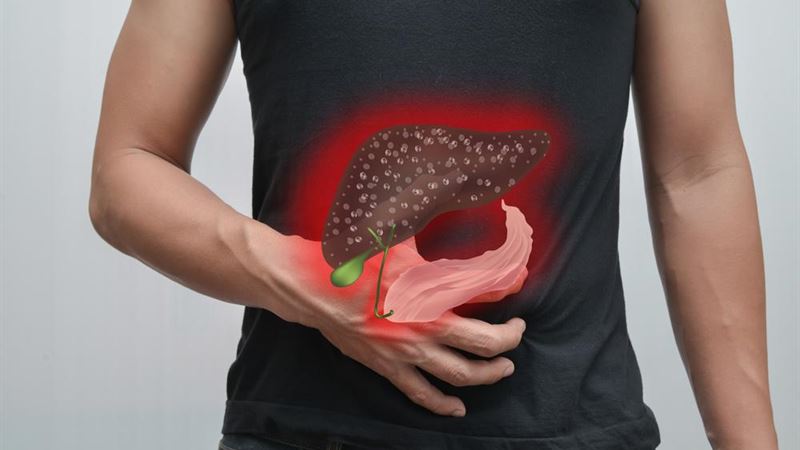
Liver cancer, also known as hepatocellular carcinoma (HCC), is a serious health condition that arises from the uncontrolled growth of abnormal cells in the liver. It is among the leading causes of cancer-related deaths worldwide. A range of factors contribute to the risk of developing liver cancer, including genetic predispositions, lifestyle choices, and exposure to certain environmental toxins. Understanding the root causes, recognizing the signs and symptoms early, and seeking timely diagnosis and treatment can significantly improve outcomes for patients. This comprehensive guide explores the fundamental aspects of liver cancer, from its causes and symptoms to diagnostic methods, treatment options, and preventive measures.
One of the primary causes of liver cancer is chronic liver damage resulting from various conditions such as cirrhosis, which can stem from persistent hepatitis B or C infections. Excessive alcohol consumption is a major contributor, often leading to liver cirrhosis, which significantly elevates cancer risk. Moreover, non-alcoholic fatty liver disease, often associated with obesity and metabolic syndrome, has emerged as a noteworthy risk factor in recent years. Hemochromatosis, a genetic disorder leading to iron overload in the liver, also increases susceptibility to liver malignancies. Additionally, exposure to carcinogenic substances like aflatoxins—produced by mold-contaminated grains and nuts—has been strongly linked to hepatocellular carcinoma, especially in developing countries.
The risk factors influencing the development of liver cancer extend beyond medical conditions. Gender plays an important role, with men being more susceptible than women, possibly due to higher rates of alcohol consumption and occupational exposures. Ethnic background also affects vulnerability; for instance, Asian and Pacific Islander populations show higher incidence rates owing to prevalent hepatitis infections. Obesity is a significant factor as well, since fatty liver disease and insulin resistance contribute to carcinogenesis. Smoking and exposure to environmental toxins further elevate the risk, especially when combined with other factors. It is important that individuals with these risk factors undergo regular medical checkups, especially if they exhibit symptoms or have a history of liver disease.
Recognizing the early signs and symptoms of liver cancer is crucial for prompt diagnosis and intervention. Common indicators include persistent dull pain or discomfort in the upper right abdomen, unexplained weight loss, persistent fatigue, nausea, and vomiting. Yellowing of the eyes and skin—jaundice—is another hallmark symptom, resulting from compromised liver function. Other signs may encompass abdominal swelling due to tumor growth or fluid accumulation, easy bruising, and abnormal bleeding tendencies. As the disease advances, patients may experience loss of appetite, fever, and worsening of general health. Early detection plays a vital role in improving prognosis and expanding treatment options, making it essential for at-risk individuals to monitor their health and seek medical attention if symptoms appear.
For diagnosing liver cancer, medical professionals rely on a combination of blood tests, imaging techniques, and biopsies. Blood analyses focusing on alpha-fetoprotein (AFP), a tumor marker often elevated in liver cancer patients, can provide initial suspicion. Imaging studies such as computed tomography (CT) scans, magnetic resonance imaging (MRI), and ultrasound help visualize tumors, their size, location, and potential spread. A definitive diagnosis often involves a biopsy, where a small tissue sample is extracted and examined microscopically to confirm malignancy. Staging liver cancer accurately is vital for determining appropriate treatment strategies. The staging system distinguishes four stages—from localized tumors confined to the liver to advanced cases where metastasis has occurred.
In the early stages, when the tumor is confined within the liver, surgical removal or liver transplantation offers the best chance for remission. Surgery involves removing the tumor or a portion of the liver, while transplantation replaces the diseased liver entirely. For more advanced cases, or when surgical options are limited, other therapies are employed. These include targeted therapies, chemotherapy, and radiotherapy to control tumor growth and prolong survival. Palliative care plays a role in managing symptoms and maintaining quality of life for patients with incurable disease. Newer treatment modalities like immunotherapy are also being explored in clinical trials, providing hope for future advancements.
Prevention strategies are critical in reducing the incidence of liver cancer. Vaccination against hepatitis B virus (HBV) has proven highly effective in preventing infection and subsequent liver damage. Regular screening for hepatitis C and B-infected individuals allows early detection and treatment of liver disease before cancer develops. Lifestyle modifications, such as limiting alcohol intake and maintaining a healthy weight, significantly decrease risk. Safe practices in body art procedures—using sterile needles and equipment—are essential to avoid bloodborne infections. Addressing environmental hazards, such as exposure to aflatoxins, through better food storage and handling, can also minimize risk. Public health initiatives aimed at vaccination, education, and screening have a profound impact on reducing liver cancer rates worldwide, especially in high-risk populations.