
Comprehensive Guide to Storage Units: Types, Selection Tips, and Key Considerations
Discover everything about storage units, including types, key factors to consider, and tips for choosing the right facility. Learn how to select secure, affordable, and convenient storage solutions for personal or business needs, whether short-term or long-term. This comprehensive guide also covers important features like climate control, security measures, and accessibility to help you make an informed decision.
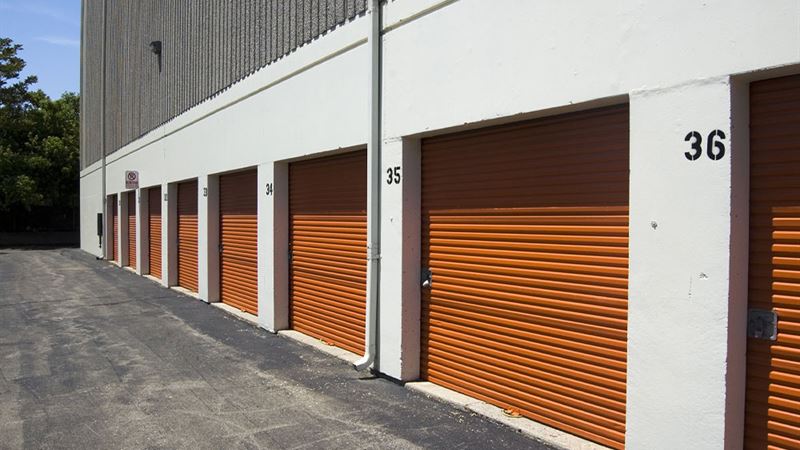
Storage facilities come in various configurations designed to cater to different needs, ranging from personal storage during moves to long-term storage solutions for valuable collections. Whether you are decluttering, relocating, or safeguarding your valuables, choosing the right storage unit is crucial. These facilities can be broadly categorized into full-service storage and self-storage options, each offering different benefits and suitability based on your needs and budget.
Full-service storage facilities are designed to provide the utmost convenience. They handle everything from picking up your items to delivering them to your designated storage unit, saving you time and effort. These services are ideal for clients who prefer a hassle-free experience and are willing to pay a premium for comprehensive service. This option is particularly useful for those relocating long-distance or storing fragile items that require special handling. However, since they involve additional services, the costs tend to be higher compared to DIY options.
Conversely, self-storage units are often the more accessible and economical choice for many individuals and businesses. In this scenario, you are responsible for transporting your belongings to the facility and managing the storage yourself. This option works well for short-term storage needs, like temporary storage during a move or renovation project. Self-storage units also offer the flexibility to access your items as needed, making them an ideal solution for those who need frequent access.
When choosing a storage facility, it’s important to consider the duration of your storage requirement. Short-term needs, such as moving or renovation, are best served by economical self-storage units, whereas long-term storage might benefit from a more secure, climate-controlled environment.
Understanding the types of storage units available is key to selecting the ideal space for your items:
- Indoor Storage Units: These units are typically climate-controlled environments that protect your belongings from outdoor elements like moisture, temperature fluctuations, and pests. They are suitable for delicate items such as important documents, artwork, antiques, collectibles, and valuables that require a stable environment.
- Outdoor Storage Units: Usually featuring drive-up access, these units are ideal for storing large, bulky items that don’t require climate control. They are perfect for storing furniture, appliances, or seasonal equipment. Many outdoor units are covered to protect items from weather, and they allow for quick loading and unloading.
- Vehicle Storage Options: If you need to keep your car, motorcycle, RV, or boat safe, many facilities provide designated vehicle storage spaces. These can be uncovered or sheltered, depending on your needs. Some units offer drive-up access, making it more convenient to park or retrieve your vehicle without unnecessary hassle.
- Specialized Wine Storage: Wine enthusiasts without dedicated cellars can opt for climate-controlled wine storage units. These spaces are designed to maintain optimal temperature and humidity levels, protecting wine bottles from light, heat, and environmental fluctuations that could spoil their quality.
Choosing the right storage unit involves assessing several important factors:
- Access and Convenience: Ensure that the facility offers flexible access hours, preferably 24/7, especially if you need regular or emergency access to your belongings.
- Security Features: Security should be a top priority. Look for facilities with surveillance cameras, security gates, individual locks, and on-site personnel to safeguard your valuables.
- Pricing and Promotions: Compare prices and inquire about discounts or promotional rates. Many facilities offer competitive pricing, especially for longer-term contracts or online bookings.
- Unit Availability and Size Options: Confirm that the facility has the suitable size and type of unit you need. It's better to choose a slightly larger space to accommodate future storage needs.
- Location: A nearby facility offers easier access, especially if you anticipate frequent visits. However, consider cost implications and choose a location that balances convenience with affordability.
- Customer Reviews and Reputation: Read reviews on independent platforms to gauge customer satisfaction. Pay attention to common complaints related to security, staff helpfulness, and cleanliness.
To rent a storage unit, you will typically need to provide valid identification such as a driver’s license, passport, or military ID. You will also need to sign a lease agreement detailing the rental terms, access guidelines, and payment schedule.
Pricing for storage units varies depending on size, duration, and facility location. Month-to-month contracts are common, but long-term agreements often come with reduced rates. Availability can also influence pricing; highly in-demand facilities may charge more due to limited availability.
Whether you need temporary storage during a house move, renovation, or as a long-term solution for your valuables, choosing the right storage unit is essential. Focus on finding a facility that offers the best balance of security, convenience, and affordability, ensuring your belongings are well-protected throughout the storage period.