
Comprehensive Guide to Self-Storage Facilities: Types, Regulations, and Essential Insights
Discover the full spectrum of self-storage unit options, including climate-controlled and vehicle storage, understand legal regulations, and learn tips to ensure your valuables are safe and accessible. This comprehensive guide is ideal for personal, business, student, and military storage needs, helping you optimize your storage solutions with expert insights.
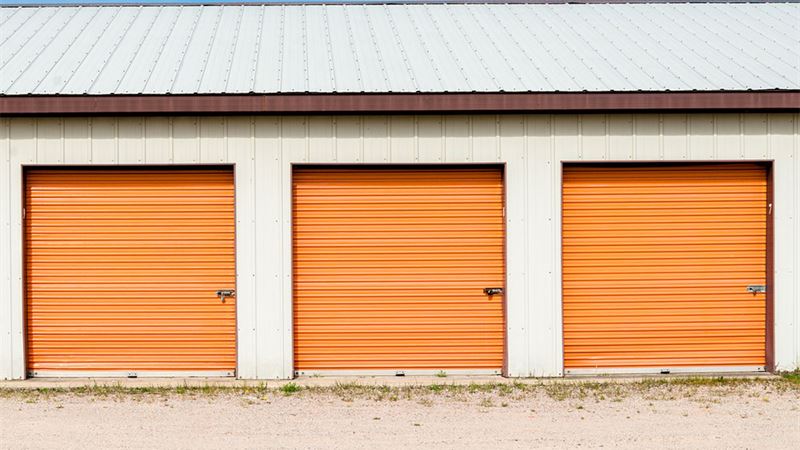
Self-storage units have become an indispensable solution for individuals and businesses seeking convenient, flexible, and secure storage options. Designed to cater to a wide range of needs, these facilities offer various types and features tailored to different storage requirements. From personal belongings to commercial inventory, self-storage units provide a practical way to organize and protect your valuables. Whether you are moving, renovating, or managing business assets, understanding the types, legal considerations, and best practices for self-storage can help you make informed decisions.
Self-storage units are renowned for their accessibility and ease of use. With a simple drive-up interface, users can quickly load or unload items without hassles. The key advantage lies in their convenience—they serve as on-demand storage solutions that can be accessed at almost any time, depending on the facility's hours. This flexibility is especially beneficial for busy individuals and small businesses that need quick, reliable storage options.
Climate-Controlled Storage: Protecting Your Valuables
One of the most sought-after features in modern self-storage facilities is climate-controlled units. These units are designed to regulate temperature and humidity levels meticulously, providing an ideal environment for delicate items. If you're storing antiques, artwork, musical instruments, or important documents, climate control is essential to prevent damage caused by moisture, mold, and extreme temperature fluctuations. During hot summer months or humid seasons, these units safeguard your belongings from deterioration, ensuring they remain in pristine condition for years to come. Investing in climate-controlled storage adds an extra layer of protection for valuable or sensitive items, making it a top priority for many users.
Business Storage Solutions for Enterprises of All Sizes
Self-storage units are highly beneficial for businesses that require additional space without the high costs of establishing a dedicated warehouse. These units offer an affordable and flexible solution for storing inventory, equipment, documents, or seasonal goods. Whether you're a small startup or a large corporation, having access to well-organized storage can streamline operations and improve efficiency. With various sizes and features available, businesses can customize their storage space according to their specific needs. Additionally, many facilities offer business-specific amenities like 24/7 access, high security, and collaboration spaces, making them ideal for managing business assets.
Student Storage for Academic and Personal Flexibility
Students often face the challenge of managing belongings during summer breaks, semesters abroad, or relocations. Renting a self-storage unit offers a cost-effective, secure, and convenient way to store personal items while away from campus. These units are typically affordable, accessible, and designed to accommodate a variety of personal belongings, including furniture, clothing, and electronic devices. Student storage solutions help ease the logistics of moving between residences or preparing for study abroad, allowing students to focus on their academic pursuits without worrying about their possessions. Many facilities also offer flexible rental terms, making them a perfect fit for student needs.
Attractive Military Storage Options
Military families often experience frequent relocations, moving across cities or states as part of their service commitments. For short-term or long-term storage needs, military-specific self-storage units provide a secure, accessible solution. These facilities cater to the transient lifestyles of military personnel, offering flexible rental options and stringent security measures. Storing household goods, equipment, or vehicle fleets becomes simple and affordable, ensuring that service members and their families can manage their possessions efficiently during transitions. Reliable military storage facilities help maintain organization and peace of mind during often stressful moving periods.
24-Hour Access: Convenience and Peace of Mind
Many users require flexible access to their stored belongings beyond standard business hours. Facilities offering 24/7 access eliminate the constraints of fixed schedules, providing convenience and peace of mind. Whether you're a business owner needing an after-hours inventory check, a family retrieving seasonal items, or a student accessing belongings during late hours, round-the-clock access ensures that your valuables are always reachable. When selecting a self-storage facility, consider availability, security protocols, and access flexibility to match your specific routine and requirements.
Vehicle Storage for Personal and Commercial Use
Self-storage isn't limited to household items—many facilities also cater to vehicle storage needs. Whether you need to store a personal car during winter, a boat during the off-season, or commercial fleet vehicles, storage units offer a safe, secure environment. Business owners can benefit from storing trucks, vans, or specialty vehicles, freeing up parking space and protecting their investments. Vehicle storage units often come with features like drive-up access, security cameras, and covered options to ensure optimal protection against theft and weather damage. This service is ideal for individuals and businesses seeking versatile transportation storage options.
Items Suitable for Storage in Units
You can store a vast array of items in self-storage units, providing a flexible solution to declutter and organize your space. Commonly stored objects include furniture like sofas, beds, and tables; household goods such as appliances, decor, and seasonal decorations; important documents, photographs, and memorabilia; clothing for different seasons; vehicles like cars and motorcycles; product samples for businesses; as well as tools and specialized equipment for various trades. Proper packing, labeling, and security measures help ensure these items remain safe and in excellent condition during storage.
Items That Should Never Be Stored in Self-Storage Units
While self-storage offers great flexibility, there are certain items that should not be stored due to safety, legal, or health concerns. These include perishable goods like food, which can spoil and attract pests; hazardous materials such as flammable fuels, chemicals, or explosives; precious furs or valuables susceptible to theft; firearms and weapons, unless properly registered and compliant with laws; and any illegal or restricted items. Additionally, local laws vary, so it's important to consult with the storage facility manager to understand prohibited items. Ensuring compliance helps prevent legal issues and protects everyone involved.
Legal Framework Governing Self-Storage Operations
The self-storage industry is regulated by a patchwork of state and local laws designed to protect both operators and tenants. Currently, at least 46 states have statutes addressing the lien rights of storage facility operators, ensuring they can secure and auction stored property if rent is unpaid. These laws often include provisions related to late fees, default procedures, and dispute resolution. However, some states—like Vermont, Nebraska, Montana, and Alaska—lack comprehensive regulations, leading to potential ambiguities. Over the years, many laws have become outdated, reflecting practices from decades ago. Modern laws seek to clarify rights, responsibilities, and procedures, promoting transparency and fairness in the industry.
Eight states—West Virginia, Maryland, Ohio, California, Maine, North Carolina, Missouri, and Arizona—specifically regulate late fee amounts, providing guidelines to prevent excessive charges. Some jurisdictions also implement sales tax on rental transactions, which can impact both operators and tenants. Security measures include tenant screening protocols—such as criminal background checks and credit evaluations—developed to enhance safety. Industry associations like the Self-Storage Association advocate for responsible practices, encouraging operators to adopt screening processes that protect against theft and vandalism. Before renting a unit or giving one to a tenant, understanding local legal requirements is essential to ensure compliance and smooth operation.
In conclusion, self-storage units are versatile and increasingly vital in today’s fast-paced world. By selecting the right type of storage, understanding legal obligations, and following best practices, users can maximize benefits and safeguard their possessions. Whether for personal use, business needs, or special circumstances like student or military storage, there are options tailored to every requirement. Knowledge of laws, security procedures, and suitable storage items ensures a smooth, hassle-free experience in the dynamic self-storage industry.