Discover the detailed progression of skin aging across different life stages. Learn to identify signs early on and implement effective prevention strategies. From maintaining skin elasticity to professional treatments, this comprehensive guide empowers you to preserve youthful skin through proactive care and lifestyle choices that combat aging. Understanding these phases enables better skincare routines, ensuring your skin stays healthy, radiant, and resilient longer.
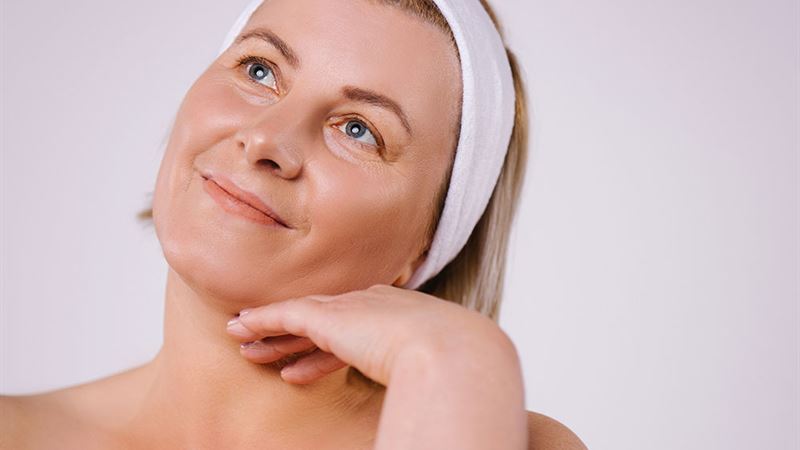
Skin aging is a natural process that unfolds gradually over time, typically occurring in distinct phases. Understanding these stages can empower you to adopt effective skincare practices, delay visible signs of aging, and protect your skin from damage. This detailed guide explores the various phases of skin aging, their characteristic signs, and practical prevention measures. By acknowledging how your skin changes at different ages, you can tailor your skincare routine to maintain youthful, radiant skin longer.
Skin aging occurs in multiple identifiable stages, each marked by specific physical changes and alterations in skin texture, elasticity, and appearance. Recognizing these stages helps in early intervention and better management of skin health. Let's delve into the detailed progression of skin aging and discover how to effectively address each phase.
Stage I: Early Aging - Ages 25 to 35
This period is often characterized by the skin’s youthful fullness and brightness. Yet, subtle signs of aging may begin to appear, signaling the start of an inevitable process. During these years, many individuals notice minimal wrinkles forming, particularly on the forehead and around the eyes. Faint lines may become apparent when making facial expressions—like smiling, frowning, or laughing. The skin might also start to lose some of its elasticity and firmness.
Maintaining skin health during this phase is crucial. Implementing a good skincare regimen can delay further deterioration. This includes regular use of broad-spectrum sunscreens, antioxidants, and moisturizer to sustain hydration. Lifestyle habits such as avoiding smoking and excessive alcohol consumption, along with a balanced diet rich in vitamins, can significantly contribute to preserving youthful skin. Remember that prevention at this stage is more effective and less costly than trying to reverse signs later.
Stage II: Middle Age - Ages 35 to 50
As you enter your late 30s and 40s, more prominent signs of aging start to emerge. Fine lines deepen, especially around the eyes and forehead. You may notice the appearance of nasolabial folds, those lines that run from the sides of your nose to the corners of your mouth, becoming more pronounced. Puffiness and dark circles under the eyes, commonly called eye bags, can develop as skin loses its firmness. Additionally, cheeks may begin to sag and lose volume, making the face look less plump and youthful.
Skin elasticity diminishes significantly during this stage, and the production of collagen and elastin fibers slows down. To combat these changes, a comprehensive skincare approach is recommended. Incorporate anti-aging serums containing retinoids, peptides, and hyaluronic acid. Consistent use of moisturizers and sun protection is vital. Regular facial exercises and professional treatments, such as microdermabrasion or chemical peels, can also help restore some volume and improve skin texture. Maintaining a nutrient-rich diet and staying well-hydrated will support skin resilience.
Stage III: Advanced Aging - Ages 50 to 60
This phase witnesses more pronounced skin changes. Wrinkles and fine lines become prevalent across the face. The skin around the eyes becomes loose, leading to sagging and under-eye bags. Thinning of the skin makes veins and underlying structures more visible, giving a translucent appearance. Collagen breakdown accelerates, resulting in loss of firmness and elasticity. The skin on the face appears thinner, more fragile, and prone to dryness or rough patches.
Sun exposure during earlier years may manifest as age spots or sun damage at this stage, further accentuating the signs of aging. To address these issues, advanced skincare routines are necessary. Incorporate consistent use of retinoids, vitamin C serums, and skin-lightening agents if needed. Professional interventions like Botox, dermal fillers, and laser treatments can help reduce wrinkles and restore facial volume. Prioritizing skin hydration and using gentle cleansers will help maintain the skin barrier's integrity. People in this stage should also focus on avoiding further sun damage with rigorous sun protection measures.
Stage IV: Mature Years - 70 and Above
In the final stages of aging, visible signs become significantly pronounced. Deep wrinkles and creases mark the forehead, around the eyes, and around the mouth. The skin on the eyelids and other areas becomes increasingly loose and saggy. Sun damage becomes more prominent, highlighting sunspots, pigmentation, and uneven skin tone. The skin's elasticity diminishes to the point where it may appear almost transparent or paper-thin.
At this age, skin becomes highly fragile and sensitive. Preventive care becomes vital to improve the quality of life and skin health. Gentle skincare routines focusing on hydration, nourishment, and UV protection are essential. Cosmetic procedures such as facelift surgeries or advanced laser therapies can help lift and tighten sagging skin. Regular visits to dermatologists for tailored anti-aging treatments are recommended. Proper nutrition, rich in antioxidants and essential nutrients, helps support overall skin health and resilience.
Diagnosing Skin Aging
Recognizing the early signals of skin aging allows for timely intervention. Dermatologists typically diagnose aging skin based on observable signs and skin assessments. Common indicators include:
- Presence of age spots, also known as liver spots or sun spots
- Sagging or drooping skin
- Loss of radiance or dull complexion
- Appearance of fine lines and wrinkles
- Dryness and flakiness
- Thinning of the skin and increased fragility
Being aware of these signs helps in creating an effective skincare and treatment plan. Regular skin check-ups lead to early detection and better management of aging symptoms.
Preventive Measures Against Skin Aging
While some aspects of skin aging are inevitable, proactive steps can significantly slow down the process. Adopt the following practices to maintain youthful and healthy skin longer:
- Consistently use sun protection: Apply a broad-spectrum sunscreen with at least SPF 30 whenever you go outdoors, and reapply every two hours in case of prolonged exposure.
- Maintain skin hydration: Regularly moisturize your skin with products suitable for your skin type to preserve elasticity and softness.
- Stay well-hydrated: Drink at least eight glasses of water daily to keep your skin tissues hydrated and improve overall skin appearance.
- Eat a balanced diet: Incorporate foods rich in vitamins C, E, A, and antioxidants to boost skin repair and protect against environmental damage.
- Avoid smoking and excessive alcohol: These habits accelerate skin aging by reducing blood flow, damaging collagen, and dehydrating the skin.
- Practice gentle skincare: Use mild cleansers and avoid harsh chemicals that can strip natural oils and weaken skin barrier functions.
- Regular exercise: Physical activity increases blood circulation, delivering essential nutrients and oxygen to skin cells, promoting a healthier complexion.
- Consider professional treatments: Procedures like chemical peels, laser therapy, and injectables can help mitigate signs of aging and rejuvenate skin appearance.
Each of these preventive strategies contributes to slowed aging, healthier skin, and a more youthful look over time. The key lies in consistency and early adoption of healthy habits.
