
Comprehensive Guide to Popular Adjustable Bed Options in Today's Market
Explore the diverse world of adjustable beds with this detailed guide. Learn about different types such as standard, low-profile, ultra-low, bariatric, and advanced flexible base beds. Discover their features, benefits, applications, and why they are essential for enhancing sleep quality, supporting medical needs, and providing safety. Stay updated on how technological innovations are shaping the future of adjustable beds, making them smarter, safer, and more personalized. Perfect for those seeking comfort, health benefits, and modern home upgrades.
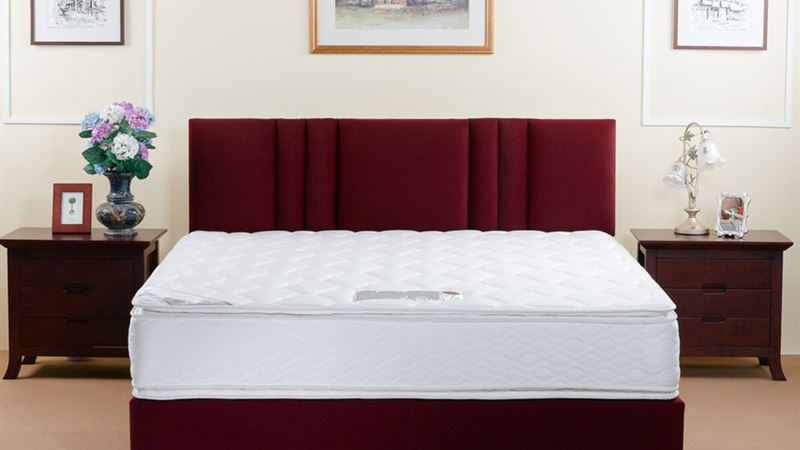
Adjustable beds have evolved significantly from their initial medical roots into popular choices for home comfort and health benefits. Originally designed to meet the needs of hospitals and healthcare facilities, these beds have become a staple in modern bedrooms for individuals seeking enhanced sleep quality, pain relief, and customized support. The versatility and health advantages of adjustable beds have made them increasingly popular not only among seniors and people with medical conditions but also among average consumers desiring luxury and personalized comfort in their sleep environment.
In recent years, the variety and sophistication of adjustable beds have expanded, offering consumers a broad selection of features, designs, and functionalities. This comprehensive guide aims to introduce you to the main types of adjustable beds available in the market today, detailing their features, benefits, and ideal usage scenarios.
Historical Perspective and Evolution of Adjustable Beds
While adjustable beds initially found their primary application in healthcare settings, their transition into the home environment happened gradually. In hospitals, these beds were indispensable tools that facilitated patient recovery by providing adjustable elevation, easing respiration, and reducing pressure points. As medical science advanced and the benefits of customizable sleeping positions became recognized, manufacturers began tailoring these beds for residential use. The result was a proliferation of models designed to combine comfort, functionality, and aesthetics, catering to different needs and lifestyles.
Today, the modern adjustable bed is a perfect fusion of technology and ergonomic design, with features that adapt to individual preferences and health requirements. They are no longer exclusive to clinical use but are increasingly embraced by the general public as essential components of a healthy sleep regimen.
Types of Adjustable Beds Available in the Market
- Standard Adjustable Beds
- Low-Profile Adjustable Beds
- Ultra-Low Adjustable Beds
- Bariatric Adjustable Beds
- Full-Feature Flexible Base Beds
1. Standard Adjustable Beds
The most common type found in both medical facilities and homes, standard adjustable beds feature a robust yet straightforward design. Typically, these beds can be adjusted to various heights, with the lowest setting around 40 centimeters from the ground and the highest reaching approximately 80 centimeters. They are engineered to support substantial weight, often up to 180 kilograms, making them suitable for a broad user base.
Standard adjustable beds usually incorporate dual motors that control the head and foot sections independently, allowing users to customize their sleeping or resting position for comfort, medical needs, or relaxation. Their versatility and reliability have made them a go-to choice for many households.
2. Low-Profile Adjustable Beds
Designed for those who prefer a bed closer to the floor, low-profile adjustable beds have a minimal platform height of around 21 centimeters. This lower profile makes them appealing to individuals with mobility challenges or those who prefer a more accessible bed height. Like standard models, they offer multiple adjustable sections but focus on maintaining a lower overall structure, thus enhancing safety and ease of entry and exit.
3. Ultra-Low Adjustable Beds
The ultra-low adjustable beds are specially crafted to minimize fall risks, especially for elderly users and children. These beds can lower down to approximately 67 millimeters from the floor, significantly reducing the impact force if a person slips or falls off the bed. They are designed without side rails to promote accessibility and ease of use, making them ideal for senior citizens and those with limited mobility or balance issues.
Safety features such as low-height design paired with the ability to adjust to comfortable sleeping positions make ultra-low beds a popular choice among caregivers and health professionals.
4. Bariatric Adjustable Beds
Bariatric beds are constructed with high weight capacity and durability in mind. These beds can accommodate users weighing up to 286 kilograms and are generally wider than standard beds, typically exceeding 120 centimeters in width. Their sturdy construction involves reinforced frames, heavy-duty motors, and support systems designed to ensure safety and stability for larger individuals.
These beds are particularly beneficial for patients undergoing rehabilitation, bariatric patients, or anyone requiring a robust bed for medical or personal reasons. Their design focuses on providing comfort, safety, and support for users with higher body mass indexes.
5. Full-Feature Flexible Base Beds
The most advanced and customizable of all adjustable beds, flexible base models feature multiple zones that independently support different body parts. Equipped with powerful motors, these beds can provide full articulation, including head, leg, and foot adjustments, allowing for optimal comfort, medical therapy, or relaxation postures.
They often include features like zero gravity positions, anti-snore settings, and programmable memory positions. The construction typically involves high-quality materials like cold foam, latex, or gel-infused fillings, covered with breathable fabrics such as 3D mesh or space fabric. These beds are ideal for individuals with chronic health issues, sleep apnea, or those who simply demand superior comfort and customization.
Construction and Mechanics of Adjustable Beds
All adjustable beds are built with أربع joints—back, leg, foot, and neck—each controlled by sophisticated twin drive motors, especially for the back and leg sections. The neck and foot sections often feature semi-automatic operation, giving users easy control over their positions.
The motorized mechanisms allow smooth transitions between different adjustments, enabling users to find their perfect sitting or sleeping posture. Many beds come with remote controls or smartphone apps for effortless operation, adding convenience and technological sophistication.
The core support of the mattress is provided by features such as slats, elastic mountings, and zone support systems. Slatted bases, incorporating either twin or triple drive motors, are a cost-effective and reliable choice. These offer good flexibility, essential for comfort and pressure relief. Meanwhile, fully flexible beds utilize advanced zone support systems with pressure-point relief, often using cold foams or latex that conform seamlessly to the body contours, providing optimal pressure distribution at every contact point.
Advantages and Benefits of Adjustable Beds
- Enhanced Comfort: Adjustable positioning allows for personalized sleep setups, reducing discomfort associated with traditional beds.
- Medical Benefits: Improves circulation, alleviates acid reflux, and helps manage chronic conditions like sciatica or joint pain.
- Safety and Accessibility: Features like ultra-low designs and easy-to-use controls make these beds safer for elderly or mobility-impaired individuals.
- Versatility: Ideal for reading, watching TV, or relaxing in bed, thanks to multi-position adjustments.
- Sleep Quality: Better sleep posture and pressure relief promote deeper, more restorative sleep.
The Future of Adjustable Beds
As technology advances, adjustable beds continue to evolve, integrating smarter controls, sleep tracking, and automated adjustments. Manufacturers are exploring AI-driven features that adapt dynamically to user preferences and sleep patterns, making beds smarter and more personalized. Sustainability is also becoming a focus, with eco-friendly materials and energy-efficient motors gaining popularity.
With innovations like wireless control and seamless integration with smart home systems, adjustable beds are set to become an indispensable part of modern living, combining wellness, convenience, and comfort seamlessly.