
Comprehensive Guide to Affordable Senior Living Options: Understanding Low-Income Senior Apartments
Explore comprehensive information about low-income senior housing options, including subsidized apartments and retirement communities. Learn about eligibility criteria, benefits, and tips for seniors seeking affordable living arrangements tailored for independence and comfort.
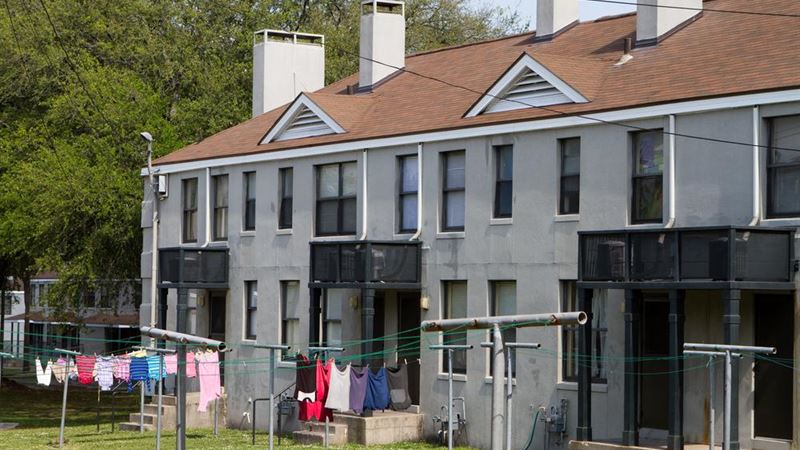
Understanding the foundation of low-income senior housing is essential for seniors and their families. These residences are specifically designed to assist older adults who may have limited financial resources but wish to maintain their independence and quality of life. The programs and housing types discussed here are regulated by federal standards, primarily through HUD, but may also vary slightly according to local laws and regulations.
Basic Eligibility Requirements for Low-Income Senior Apartments
- The primary occupants should be 62 years or older. This age threshold ensures that the housing targets senior citizens who are likely to benefit most from age-appropriate accommodations.
- At least 80% of the units should be occupied by residents above 55 years, promoting an environment tailored to older adults.
- Applicants must pass background checks and meet all screening criteria set by local and federal authorities, including financial qualifications and identity verification.
- Since these units are intended for elderly residents, families with children and young adults are typically not permitted to reside in these communities.
- Prospective tenants are required to present at least one form of government-issued identification during the application process.
It is important to note that these standards serve as a baseline, and individual landowners or property managers may have additional requirements or slight variations. Therefore, interested applicants should verify specific criteria with the housing provider before applying.
Types of Low-Income Senior Housing
Low-income senior apartments are strategically located within safe, tranquil neighborhoods. These communities are intentionally designed to foster peaceful living with minimal noise and pollution, providing seniors with an environment conducive to relaxation and well-being. Several distinct housing options fall under the umbrella of low-income senior accommodation, each with unique features and eligibility considerations.
Subsidized Senior Housing
Subsidized senior housing is one of the most common options for seniors seeking affordable living arrangements. These units are financially assisted, making them a practical choice for individuals with limited income. They are often situated in calm, accessible neighborhoods equipped with essential amenities such as healthcare facilities, shopping centers, and public transportation. The goal of subsidized housing is to reduce the financial burden on seniors while offering a stable environment conducive to independent living.
Applicants interested in subsidized senior housing should be prepared for lengthy waitlists, as demand typically exceeds supply. The allocation process is overseen by HUD, which ensures fairness and adherence to program guidelines. Eligibility is primarily determined based on income, household size, and other support criteria. Once approved, residents can enjoy a comfortable living space that combines affordability with essential services.
Retirement Communities
Retirement communities are specialized residential complexes designed explicitly for older adults. These communities often feature a variety of housing options, including single-family homes, mobile homes, duplexes, and apartment units within a shared campus. The primary focus of retirement communities is to foster a supportive environment where seniors can enjoy social interaction, recreational activities, and convenient access to healthcare and daily amenities.
Residents of retirement communities have flexible options to rent or purchase their units, depending on their preferences and financial situation. Many of these communities offer an array of recreational facilities such as swimming pools, fitness centers, social halls, and organized activities to promote active aging. Maintenance services, security, and support staff are typically included for a modest fee, ensuring residents live comfortably without worrying about daily chores or safety concerns.
It is common for retirement communities to maintain waiting lists due to their popularity. Eligibility depends on availability, age requirements, and financial considerations. Prospective residents should be patient while navigating the application process, which involves multiple steps to ensure the community aligns with their needs.
The Growing Demand for Affordable Senior Housing
With the aging population increasing across the globe, particularly in developed nations like the United States, the demand for affordable senior housing options is at an all-time high. The government recognizes this urgent need and continuously promotes initiatives to expand the availability of low-income senior apartments. These efforts include building new facilities, converting existing properties, and providing subsidies and grants to private developers willing to create senior-friendly residences.
Affordable housing not only addresses financial constraints but also enhances overall quality of life, helping seniors maintain independence, social connections, and health. As the demand continues to grow, numerous organizations, both public and private, are collaborating to develop innovative solutions such as mixed-income housing projects and age-inclusive communities that cater to a diverse aging population.
What Should Prospective Residents Know?
Searching for the right affordable senior housing can be a complex process that requires patience and thorough research. Here are some key points to consider:
- Application Process: Many programs have lengthy waiting periods, so early application is recommended. Gather all required documentation, including proof of income, identity, and health status.
- Financial Assistance: Understand the subsidy or support options available and how they apply to your specific circumstances.
- Community Life: Visit the communities beforehand to assess the environment, amenities, and social activities offered. Ensure the location is accessible and suits your lifestyle needs.
- Support Services: Check if the community provides healthcare support, transportation, and other necessary services for seniors with specific health conditions.
- Legal and Contractual Terms: Carefully review tenancy agreements, fees, and policies to avoid surprises later on.
By understanding these aspects, seniors and their families can make informed decisions, selecting housing options that promote comfort, security, and independence.
Conclusion
Affordable senior housing plays a crucial role in ensuring that older adults can enjoy their golden years with dignity and security. From subsidized apartments to retirement communities, there are diverse options tailored to meet various needs and preferences. As the demand for senior-friendly housing continues to rise, ongoing investments and policy initiatives are vital to expanding access and improving living standards for seniors across communities.
Whether you are a senior seeking a new home or a family member assisting in the search, understanding the different housing types, eligibility requirements, and application processes will help you navigate this important journey—empowering seniors to live comfortably, independently, and with community support.