
Comprehensive Guide to Senior Living Communities and Accommodation Options
This comprehensive guide explores various senior housing options, including retirement communities, assisted living, and affordable models like co-housing and public housing. It emphasizes the importance of evaluating personal needs, neighborhood features, safety, and costs. By understanding the different facilities and their offerings, seniors can make informed decisions to choose the safest, most comfortable, and cost-effective living arrangements that promote independence, social engagement, and well-being in their golden years.
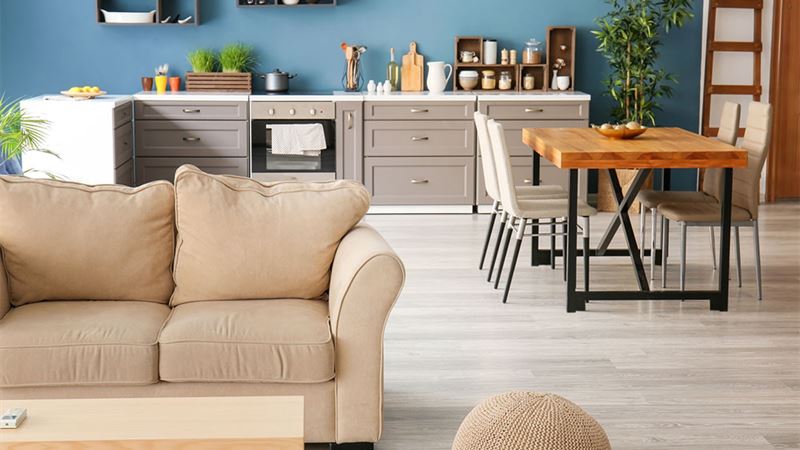
Navigating the world of senior housing can be complex, but understanding the diverse options available can help elderly individuals make informed decisions about their living arrangements. Senior housing communities are designed to foster social engagement while providing essential amenities and personalized support. As the demand for age-appropriate residences increases, numerous housing models have emerged, each tailored to different needs, lifestyles, and budgets. From fully independent living setups to assisted care facilities, the market offers a spectrum of choices to enhance quality of life for seniors. Understanding the nuances of each option is crucial for selecting the most suitable environment that promotes independence, safety, and happiness.
Retirement Communities and Age-Restricted Housing
Retirement communities are often the first option seniors consider. These are specially designed residential complexes catering primarily to individuals aged 55 or older. They provide a range of amenities such as clubhouses, walking paths, swimming pools, fitness centers, and organized social activities that foster community engagement. These communities allow seniors to maintain independence while benefiting from proximity to healthcare facilities and supportive services. Residency generally involves purchasing or renting a unit, with fees covering maintenance, security, and communal amenities. Many modern retirement villages also include healthcare integrations, allowing residents to access medical assistance on-site or nearby. Such setups are ideal for active seniors seeking a vibrant and socially engaging lifestyle without the burdens of homeownership.
Retirement communities are often the first option seniors consider. These are specially designed residential complexes catering primarily to individuals aged 55 or older. They provide a range of amenities such as clubhouses, walking paths, swimming pools, fitness centers, and organized social activities that foster community engagement. These communities allow seniors to maintain independence while benefiting from proximity to healthcare facilities and supportive services. Residency generally involves purchasing or renting a unit, with fees covering maintenance, security, and communal amenities. Many modern retirement villages also include healthcare integrations, allowing residents to access medical assistance on-site or nearby. Such setups are ideal for active seniors seeking a vibrant and socially engaging lifestyle without the burdens of homeownership.
Assisted Living and Supportive Care Facilities
For older adults requiring assistance with daily activities such as bathing, dressing, medication management, or mobility, assisted living facilities represent a crucial middle ground. These care centers combine private residences with professional support staff available around the clock. Facilities are equipped with safety features like emergency call systems, grab bars, and accessible layouts to promote independence while ensuring safety. Cost structures typically include room, board, and care services, with additional charges for specialized treatments. Many assisted living centers emphasize a homelike environment, engaging residents in social activities, recreational therapies, and wellness programs to enhance mental and physical health. Offering a balance between independence and support, these facilities cater effectively to seniors with moderate assistance needs.
For older adults requiring assistance with daily activities such as bathing, dressing, medication management, or mobility, assisted living facilities represent a crucial middle ground. These care centers combine private residences with professional support staff available around the clock. Facilities are equipped with safety features like emergency call systems, grab bars, and accessible layouts to promote independence while ensuring safety. Cost structures typically include room, board, and care services, with additional charges for specialized treatments. Many assisted living centers emphasize a homelike environment, engaging residents in social activities, recreational therapies, and wellness programs to enhance mental and physical health. Offering a balance between independence and support, these facilities cater effectively to seniors with moderate assistance needs.
Nursing Homes and Skilled Care
When long-term medical supervision or complex healthcare needs arise, nursing homes or skilled care facilities are necessary. These institutions provide intensive medical attention supervised by licensed nurses and healthcare professionals. They are suitable for seniors recovering from surgeries, suffering from chronic illnesses, or with disabilities requiring specialized care. Accommodations are typically shared, though private rooms are also available. Additionally, residents receive comprehensive medical treatments, physical therapy, and assistance with daily routines. While more institutional, many facilities strive to create a respectful and comfortable atmosphere, integrating recreational activities to maintain mental vitality. Costs tend to be higher, reflecting the level of medical care provided, and are often covered partially by government subsidies or insurance plans.
When long-term medical supervision or complex healthcare needs arise, nursing homes or skilled care facilities are necessary. These institutions provide intensive medical attention supervised by licensed nurses and healthcare professionals. They are suitable for seniors recovering from surgeries, suffering from chronic illnesses, or with disabilities requiring specialized care. Accommodations are typically shared, though private rooms are also available. Additionally, residents receive comprehensive medical treatments, physical therapy, and assistance with daily routines. While more institutional, many facilities strive to create a respectful and comfortable atmosphere, integrating recreational activities to maintain mental vitality. Costs tend to be higher, reflecting the level of medical care provided, and are often covered partially by government subsidies or insurance plans.
Affordable Housing Innovations for Seniors
The rising costs of traditional senior housing demand innovative, affordable alternatives. One such model is papakāinga housing, rooted in indigenous land rights and cultural preservation. These self-sufficient homes on Maori lands offer an affordable, culturally significant living environment for seniors. Ensuring land is classified correctly and understanding legal land rights are essential before moving.
Co-housing arrangements provide another cost-effective option by encouraging shared resources among residents. These communities typically consist of clusters of private homes with shared communal spaces, managed collectively by residents. The format promotes social interaction, economic efficiency, and independence.
Lifestyle villages leverage property ownership for potential capital gains, giving seniors the flexibility to manage properties independently while enjoying shared amenities. Designed for individuals over 50, these villages offer a sense of community with the added benefit of property appreciation.
For seniors requiring minimal assistance, public or social housing options, managed by agencies such as Kāinga Ora, can be both affordable and supportive. Eligibility criteria apply, and waiting lists may be long, so timely application is recommended. Proper planning and awareness of these options can significantly improve the quality of life for seniors on limited budgets.
The rising costs of traditional senior housing demand innovative, affordable alternatives. One such model is papakāinga housing, rooted in indigenous land rights and cultural preservation. These self-sufficient homes on Maori lands offer an affordable, culturally significant living environment for seniors. Ensuring land is classified correctly and understanding legal land rights are essential before moving.
Co-housing arrangements provide another cost-effective option by encouraging shared resources among residents. These communities typically consist of clusters of private homes with shared communal spaces, managed collectively by residents. The format promotes social interaction, economic efficiency, and independence.
Lifestyle villages leverage property ownership for potential capital gains, giving seniors the flexibility to manage properties independently while enjoying shared amenities. Designed for individuals over 50, these villages offer a sense of community with the added benefit of property appreciation.
For seniors requiring minimal assistance, public or social housing options, managed by agencies such as Kāinga Ora, can be both affordable and supportive. Eligibility criteria apply, and waiting lists may be long, so timely application is recommended. Proper planning and awareness of these options can significantly improve the quality of life for seniors on limited budgets.
Key Factors When Selecting Senior Housing
Choosing the right senior housing involves several critical considerations. Personal health status, independence level, and care needs are the foundation of the decision-making process. Seniors should evaluate whether they need full assistance or are capable of independent living, and consider existing savings, pensions, and eligibility for government subsidies to determine affordability.
The size and layout of the housing unit should align with personal preferences, daily routines, and the ability to maintain the space. For instance, a smaller, manageable apartment might be suitable if mobility is limited, whereas larger units may be preferable for those with frequent visitors or family members in residence.
Neighborhood characteristics play a significant role. Access to essential services such as grocery stores, healthcare facilities, pharmacies, and transportation options should be within walking distance or easily accessible by public transit. A well-connected community enhances convenience and reduces the need for long commutes, which can be challenging for seniors.
Safety features are paramount. Elevators, emergency exits, adequate lighting, and secure entrances contribute to a safe living environment. Recreational facilities, walking paths, and communal spaces are vital for socialization and mental well-being. Communication spaces such as lounges, activity rooms, or gardens foster community engagement.
Cost analysis is another essential aspect. Comparing the total costs, including rent, service charges, utilities, and maintenance, against the amenities and features provided, helps in selecting the most cost-effective option that meets individual needs and preferences. Conducting thorough research and seeking reputable providers and developers with experience in senior housing are advisable for making an informed choice.
Understanding the average costs can guide budgeting. For example, the typical weekly fee for retirement villages hovers around a specific range, but prices vary depending on location, facilities, and services. Recognizing what is included and what incurs extra charges ensures transparency and avoids surprises after moving in. It’s prudent to evaluate different options against a checklist of needs, preferences, and financial capabilities before finalizing the decision.
Choosing the right senior housing involves several critical considerations. Personal health status, independence level, and care needs are the foundation of the decision-making process. Seniors should evaluate whether they need full assistance or are capable of independent living, and consider existing savings, pensions, and eligibility for government subsidies to determine affordability.
The size and layout of the housing unit should align with personal preferences, daily routines, and the ability to maintain the space. For instance, a smaller, manageable apartment might be suitable if mobility is limited, whereas larger units may be preferable for those with frequent visitors or family members in residence.
Neighborhood characteristics play a significant role. Access to essential services such as grocery stores, healthcare facilities, pharmacies, and transportation options should be within walking distance or easily accessible by public transit. A well-connected community enhances convenience and reduces the need for long commutes, which can be challenging for seniors.
Safety features are paramount. Elevators, emergency exits, adequate lighting, and secure entrances contribute to a safe living environment. Recreational facilities, walking paths, and communal spaces are vital for socialization and mental well-being. Communication spaces such as lounges, activity rooms, or gardens foster community engagement.
Cost analysis is another essential aspect. Comparing the total costs, including rent, service charges, utilities, and maintenance, against the amenities and features provided, helps in selecting the most cost-effective option that meets individual needs and preferences. Conducting thorough research and seeking reputable providers and developers with experience in senior housing are advisable for making an informed choice.
Understanding the average costs can guide budgeting. For example, the typical weekly fee for retirement villages hovers around a specific range, but prices vary depending on location, facilities, and services. Recognizing what is included and what incurs extra charges ensures transparency and avoids surprises after moving in. It’s prudent to evaluate different options against a checklist of needs, preferences, and financial capabilities before finalizing the decision.
The ultimate goal is to find a residence that offers comfort, safety, social interaction, and healthcare support, tailored to the specific lifecycle and health status of the senior. Thoughtful planning and diligent research are keys to securing a suitable and satisfying home that enhances quality of life well into later years.